

Why Ergonomic Farrier Tools Are Important for Reducing
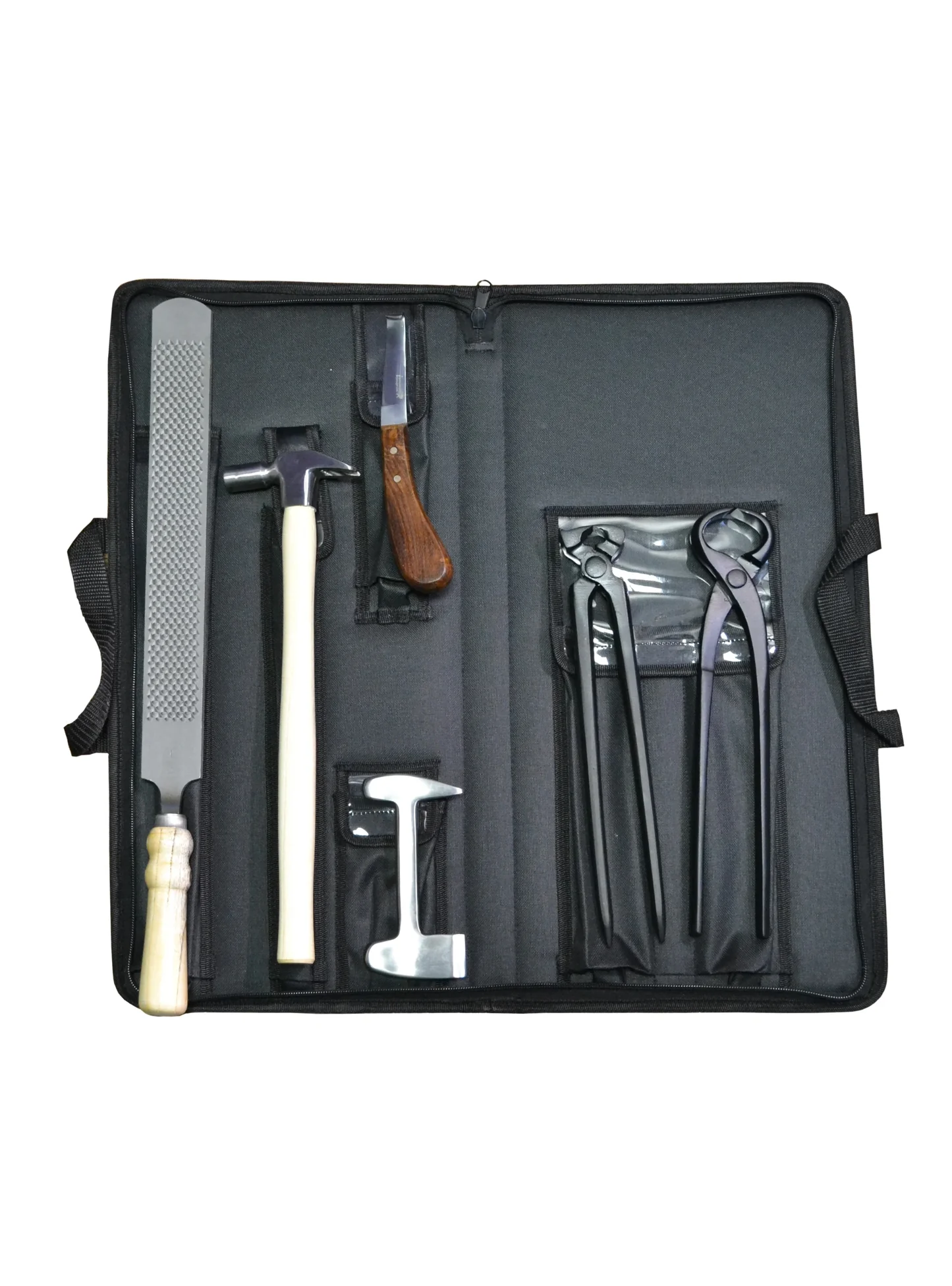
Farriery is a physically demanding profession that requires strength, precision, and long hours of repetitive work. From trimming hooves to shaping and fitting horseshoes, farriers often work in challenging positions that can lead to fatigue and long-term strain. This is where ergonomic farrier tools play a crucial role.
Designed to reduce physical stress and improve efficiency, ergonomic tools are becoming an essential part of modern hoof care practices. They not only enhance performance but also protect farriers from injuries and burnout.
Understanding Farrier Fatigue
Farrier fatigue is the physical exhaustion and strain that develops due to repetitive motions, awkward postures, and prolonged manual effort. Common issues faced by farriers include:
- Hand and wrist strain
- Lower back pain
- Shoulder and arm fatigue
- Reduced grip strength over time
If not managed properly, these issues can lead to chronic injuries and decreased work efficiency.
What Makes Farrier Tools Ergonomic?
Ergonomic farrier tools are specifically designed to fit naturally in the user’s hand and reduce unnecessary strain during use. Key features include:
- Comfortable, non-slip handles
- Balanced weight distribution
- Shock-absorbing materials
- Optimized grip angles
These features allow farriers to perform tasks with less effort while maintaining accuracy and control.
How Ergonomic Farrier Tools Reduce Fatigue
1. Improved Grip and Control
Ergonomic handles reduce the amount of force needed to hold and operate tools. This minimizes hand fatigue and allows for better precision during trimming and shaping.
- Reduced Strain on Joints and Muscles
Tools designed with proper angles and balance help maintain a natural working posture. This reduces stress on joints, especially in the wrists, elbows, and shoulders.
- Enhanced Work Efficiency
With less physical effort required, farriers can work faster and more efficiently without compromising quality. This is especially beneficial during long working hours or when handling multiple horses in a day.
- Lower Risk of Long-Term Injuries
Continuous use of poorly designed tools can lead to repetitive strain injuries (RSIs). Ergonomic tools help prevent these issues by distributing pressure evenly and reducing overuse of specific muscle groups.
Impact on Daily Farrier Work
Using ergonomic farrier tools can significantly improve daily workflow:
- Less physical exhaustion at the end of the day
- More consistent performance across multiple jobs
- Improved accuracy in hoof trimming and shoeing
- Better overall job satisfaction
Farriers who invest in ergonomic equipment often experience increased productivity and reduced downtime due to injury.
Benefits for Horse Care
When a farrier is comfortable and less fatigued, the quality of hoof care also improves. This leads to:
- More precise hoof balance
- Safer handling of the horse
- Reduced risk of mistakes during trimming or shoeing
Ultimately, both the farrier and the horse benefit from the use of ergonomic tools.
Choosing the Right Ergonomic Farrier Tools
When selecting ergonomic tools, consider:
- Handle design and comfort
- Tool weight and balance
- Material durability
- Ease of use during long sessions
Investing in high-quality tools may seem costly initially, but it pays off through improved efficiency and reduced health risks.
Conclusion
Ergonomic farrier tools are no longer a luxury—they are a necessity in modern hoof care. By reducing physical strain, improving efficiency, and preventing long-term injuries, these tools play a vital role in supporting the health and performance of farriers.
For professionals who spend hours working in demanding conditions, choosing ergonomic tools is a smart investment that ensures sustainability, comfort, and high-quality hoof care over the long term.