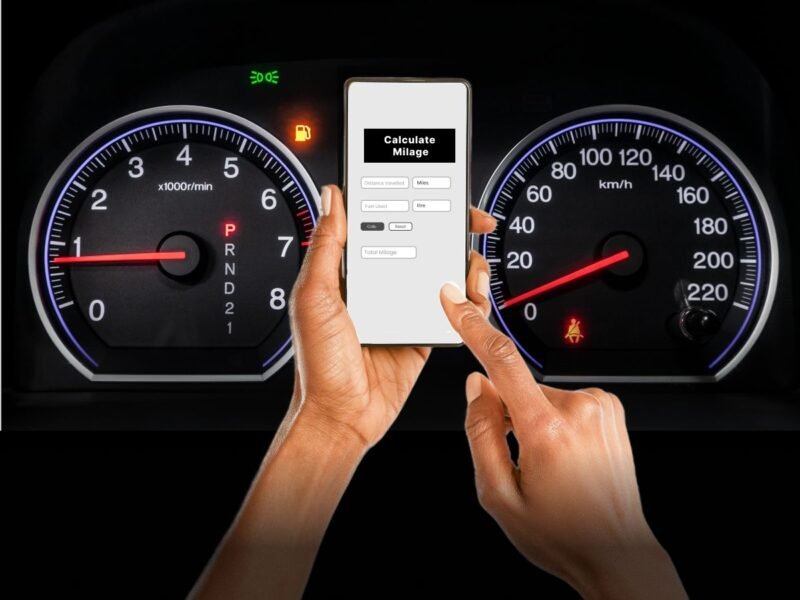


Mileage Calculator: Know Your Car’s Real Fuel Efficiency and Running Cost
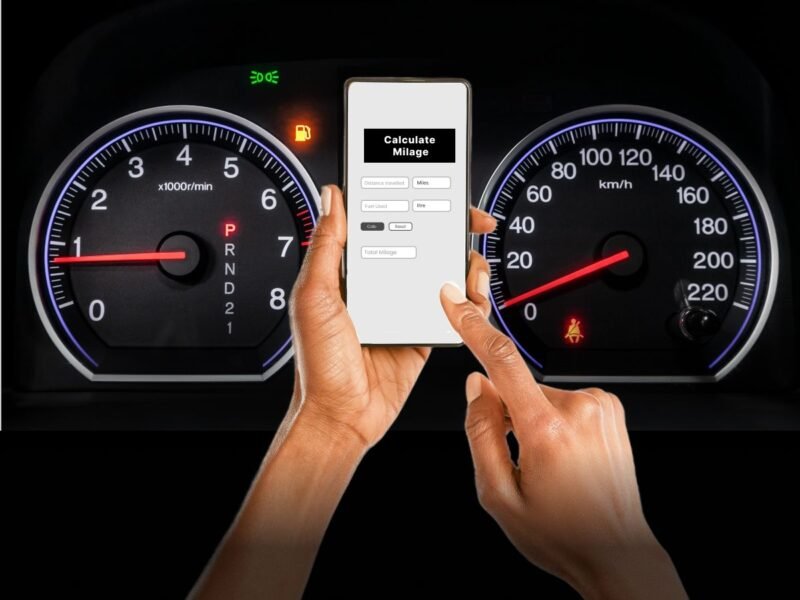
How much does your car actually travel on a litre of fuel? The answer can make a significant difference to your monthly budget, especially if you drive regularly for work, family commitments, or long-distance trips. A mileage calculator helps you measure your vehicle’s fuel efficiency, estimate fuel consumption, and understand how much you spend on every kilometre.
While car manufacturers publish mileage figures to help buyers compare vehicles, real-world performance often varies. Traffic congestion, driving habits, road conditions, air conditioning, and vehicle maintenance can all affect the results you experience.
By tracking your car’s mileage, you can make more informed decisions about fuel spending, vehicle maintenance, and your next car purchase. This guide explains how to calculate mileage, measure real-world efficiency, estimate running costs, and use the results to make smarter automotive decisions.
Why Is a Mileage Calculator Useful?
A mileage calculator turns everyday driving information into useful numbers. Instead of guessing how efficiently your car runs, you can use the distance travelled and fuel consumed to calculate an average.
It can help you:
- Measure your car’s real-world fuel efficiency.
- Estimate the fuel needed for a planned journey.
- Calculate the approximate cost per kilometre.
- Compare city and highway driving efficiency.
- Track changes in fuel consumption over time.
- Estimate monthly or yearly fuel expenses.
- Compare the running costs of different cars.
For people who commute daily, even a small difference in mileage can affect annual fuel spending. For buyers comparing two vehicles, mileage calculations can also provide a more practical view of long-term running costs.
Mileage Calculator Formula: How Does It Work?
In India, petrol and diesel car mileage is generally expressed in kilometres per litre (km/l).
The basic formula is:
Mileage = Distance Travelled ÷ Fuel Consumed
For example, imagine that your car travels 360 km using 24 litres of petrol.
Mileage = 360 ÷ 24 = 15 km/l
Your car’s average fuel efficiency for that period is 15 kilometres per litre.
The result is only as accurate as the information you enter. For a reliable estimate, use a consistent method to measure distance and fuel consumption, preferably over several journeys or refuelling cycles.
How to Calculate Mileage Step by Step
You do not need specialised equipment to estimate your car’s mileage. Follow these simple steps.
Step 1: Record Your Starting Odometer Reading
Before beginning your measurement, note the odometer reading or reset the trip meter. If you reset the trip meter, make sure it is set to zero before driving.
Step 2: Drive as You Normally Would
Use your car for your regular commute or a planned journey. Avoid changing your usual driving behaviour solely for the measurement, because the aim is to understand your typical fuel efficiency.
Step 3: Record the Fuel Consumed
Track how much fuel your vehicle uses over the measured distance. One practical approach is the full-tank method: fill the tank, drive a reasonable distance, and refill it to the same level.
The litres added during the second fill provide an estimate of the fuel used during the journey, assuming the refill method is consistent.
Step 4: Enter the Distance and Fuel Quantity
Divide the total kilometres travelled by the litres consumed.
For instance, if you drive 420 km and use 28 litres of fuel:
420 ÷ 28 = 15 km/l
Step 5: Compare Your Results
Repeat the measurement over multiple refuelling cycles. This helps reduce the effect of small differences in fuel-pump cut-off, route conditions, and individual trips.
Mileage Calculator Examples for Everyday Driving
Different driving situations can produce different mileage results. Here are some examples to show how the calculation works.
| Distance Travelled | Fuel Consumed | Calculated Mileage |
|---|---|---|
| 200 km | 15 litres | 13.33 km/l |
| 350 km | 25 litres | 14 km/l |
| 480 km | 32 litres | 15 km/l |
| 600 km | 40 litres | 15 km/l |
| 750 km | 50 litres | 15 km/l |
These are illustrative calculations, not claims about the mileage of specific vehicles.
A car’s actual mileage may change depending on the route, speed, traffic, passengers, luggage, and maintenance condition. That is why recording your own results is useful.
How to Calculate Fuel Cost Per Kilometre
Mileage tells you how efficiently your car uses fuel, while fuel cost per kilometre helps you understand how much it costs to drive.
Use this formula:
Fuel Cost per Kilometre = Fuel Price per Litre ÷ Mileage
Suppose petrol costs ₹100 per litre and your car delivers 15 km/l.
₹100 ÷ 15 = approximately ₹6.67 per kilometre.
If you drive 1,000 km under similar conditions, your estimated fuel expense would be approximately ₹6,667.
This estimate includes fuel only. It does not include maintenance, insurance, tyres, tolls, parking, or other ownership costs.
Estimate Your Monthly Fuel Budget
Tracking mileage becomes particularly useful when you want to estimate monthly expenses.
Suppose your monthly driving distance is 1,500 km, your average mileage is 15 km/l, and the fuel price is ₹100 per litre.
| Calculation | Result |
|---|---|
| Monthly distance | 1,500 km |
| Average mileage | 15 km/l |
| Estimated fuel required | 100 litres |
| Illustrative fuel price | ₹100/litre |
| Estimated monthly fuel cost | ₹10,000 |
If your mileage improves or your monthly driving distance decreases, your fuel expense may also fall. Conversely, increased travel or higher fuel prices can raise your budget.
Use current local fuel prices and your own mileage records to make the estimate more relevant.
City Mileage vs Highway Mileage
Your car may not deliver the same mileage in every driving environment. Understanding the difference helps you interpret calculator results correctly.
City Mileage
City driving often involves traffic lights, frequent braking, slow-moving traffic, and repeated acceleration. These conditions can increase fuel consumption.
If you drive mostly in a crowded urban area, use your actual city mileage when calculating daily commuting expenses.
Highway Mileage
Highway journeys may involve longer periods of steady driving, which can support better fuel efficiency under suitable conditions. However, high speeds, congestion, road gradients, and heavy loads can also affect mileage.
Combined or Average Mileage
If you use your car for both city and highway travel, track mileage across your usual mix of journeys. A combined figure is often more useful for estimating your overall fuel budget than relying on only your best highway result.
What Causes Mileage to Change?
A noticeable change in fuel efficiency does not always mean something is wrong with your car. Several everyday factors can influence mileage.
Driving Style
Sudden acceleration, harsh braking, and unnecessary idling can increase fuel consumption. Smooth driving and anticipating traffic may help reduce avoidable fuel use.
Tyre Pressure
Tyres with incorrect pressure can affect rolling resistance and handling. Check tyre pressure regularly and follow the manufacturer’s recommended figures.
Air Conditioning
Air conditioning can increase fuel consumption, although the effect depends on the vehicle, temperature, cooling demand, and driving conditions.
Vehicle Load
Carrying heavy luggage or unnecessary equipment increases the load your vehicle must move. Removing items you do not need may help improve efficiency.
Maintenance
Engine condition, wheel alignment, filters, and scheduled servicing can affect fuel consumption. If mileage drops persistently or suddenly, consider a professional inspection.
Road and Weather Conditions
Hilly roads, poor road surfaces, extreme temperatures, and heavy traffic may change the amount of fuel required for a journey.
Practical Ways to Improve Your Car’s Mileage
You cannot control every factor that affects fuel efficiency, but you can adopt habits that may help reduce unnecessary fuel consumption.
- Maintain a steady driving style: Accelerate smoothly and avoid unnecessary braking.
- Check tyre pressure: Use the manufacturer’s recommended pressure.
- Service your car regularly: Follow the maintenance schedule and address issues promptly.
- Plan your route: Combine errands and avoid unnecessary detours.
- Reduce unnecessary idling: Switch off the engine when appropriate and safe.
- Travel with less unnecessary weight: Remove items you do not need.
- Track mileage consistently: Compare results over several refuelling cycles instead of relying on a single journey.
The amount of improvement will vary by vehicle and driving conditions. Focus on consistent habits rather than expecting a guaranteed percentage increase.
How Mileage Helps When Buying a New or Used Car
Mileage is an important part of car ownership, but it should not be the only factor in your buying decision.
Before selecting a vehicle, consider:
- Your average daily and monthly driving distance.
- Expected city and highway usage.
- Official efficiency figures and realistic owner experiences.
- Fuel prices in your area.
- Purchase price and financing costs.
- Maintenance, insurance, and repair expenses.
- Comfort, safety, features, and resale value.
For example, a car with better mileage may be attractive to someone who drives long distances every day. A buyer who travels only occasionally may place greater importance on purchase price, comfort, or other features.
You can explore vehicle specifications and compare car options through V3 Cars when researching a model that fits your needs and budget.
Frequently Asked Questions
1. What is a mileage calculator?
A mileage calculator is a tool that estimates your vehicle’s fuel efficiency using the distance travelled and the amount of fuel consumed. In India, petrol and diesel car mileage is usually expressed in km/l.
2. How do I calculate mileage without an online calculator?
Divide the kilometres travelled by the litres of fuel consumed. For example, if your car travels 300 km using 20 litres, its estimated mileage is 15 km/l.
3. How do I check my car’s real mileage?
Use the full-tank method. Fill the tank, reset the trip meter, drive a reasonable distance, and refill the tank using the same method. Divide the kilometres travelled by the litres required for the refill. Repeat the process over several refuelling cycles for a more reliable estimate.
4. Why is my car’s actual mileage lower than the advertised figure?
Advertised mileage is measured under standardised test conditions. Real-world results can differ because of traffic, speed, road conditions, air conditioning, vehicle load, and maintenance.
5. Can I calculate mileage for diesel and CNG vehicles?
Yes. The same principle applies, provided the units are consistent. Diesel efficiency is commonly measured in km/l, while CNG efficiency is often expressed in km/kg.
6. How much does it cost to drive one kilometre?
Divide the fuel price per litre by your mileage in km/l. If fuel costs ₹100 per litre and your car delivers 20 km/l, the estimated fuel cost is ₹5 per kilometre.
7. How often should I calculate my car’s mileage?
Check it periodically, especially if your driving pattern changes or you notice an unusual increase in fuel consumption. Measuring across several refuelling cycles provides a better view of your typical efficiency.
Conclusion
A mileage calculator helps you understand your car’s actual fuel efficiency, estimate the cost of everyday travel, and plan a realistic monthly fuel budget. By measuring distance and fuel consumption consistently, you can make informed decisions based on your vehicle’s real-world performance.
Track your mileage over time, maintain your car properly, and consider your driving conditions when interpreting the results. Whether you are managing fuel expenses or comparing cars before buying, understanding mileage can help you make more practical and cost-conscious decisions.