


Strip Lighting: Modern Illumination for Homes, Offices, and Commercial Spaces
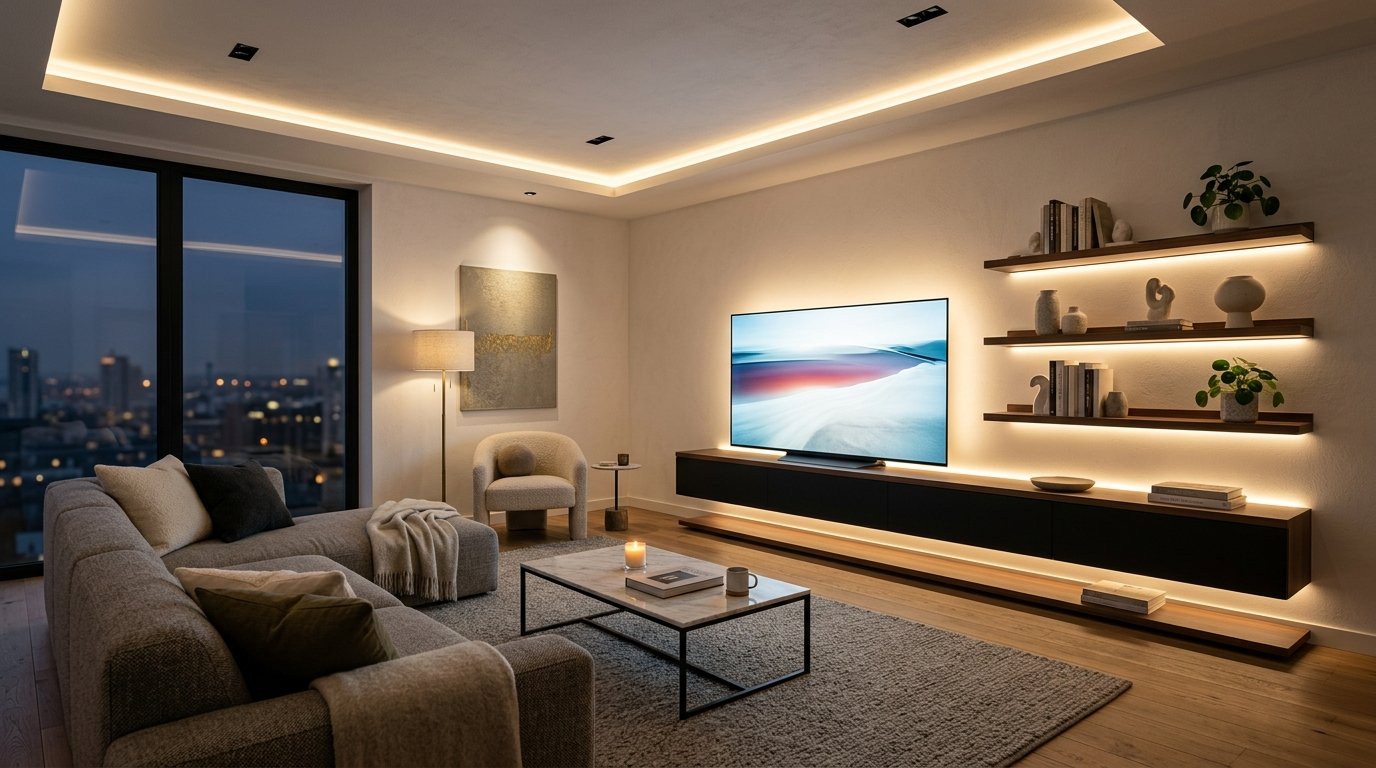
Strip Lighting has become one of the most popular lighting solutions in modern interior and exterior design. From stylish home décor to large-scale commercial installations, strip lighting offers flexibility, efficiency, and aesthetic appeal that traditional lighting often cannot match. Whether used for accent lighting, task lighting, or full-room illumination, strip lighting has transformed the way spaces are designed and experienced.
In this article, we will explore what strip lighting is, how it works, its types, applications, benefits, installation tips, and future trends. By the end, you will have a clear understanding of why strip lighting is becoming a top choice for designers, homeowners, and businesses worldwide.
What is Strip Lighting?
Strip lighting refers to a flexible, slim lighting solution made up of small light-emitting diodes (LEDs) mounted on a narrow strip or tape-like structure. These strips are usually backed with adhesive, allowing them to be easily installed on various surfaces such as ceilings, walls, furniture edges, and outdoor structures.
Unlike traditional bulky fixtures, strip lighting is designed to blend seamlessly into architectural elements, creating a clean and modern lighting effect.
The most common type is LED strip lighting, which is energy-efficient, long-lasting, and available in various colors and brightness levels.
Types of Strip Lighting
Strip lighting comes in several types depending on usage, brightness, and environment. Understanding these types helps in choosing the right option for your space.
1. Single Color LED Strips
These strips emit one fixed color such as warm white, cool white, or daylight. They are widely used in offices, kitchens, and workspaces where consistent lighting is needed.
2. RGB LED Strips
RGB (Red, Green, Blue) strips allow users to change colors using a remote control or smartphone app. These are popular in entertainment spaces, bedrooms, gaming setups, and event decorations.
3. RGBW LED Strips
These include an additional white LED alongside RGB, providing more accurate white tones along with color-changing options. They are ideal for premium lighting setups.
4. Waterproof LED Strips
Designed with protective coatings, these strips are suitable for outdoor use or areas exposed to moisture like bathrooms, gardens, and pool surroundings.
5. High-Density LED Strips
These strips have more LEDs per meter, producing brighter and more uniform light. They are commonly used in commercial spaces and professional lighting projects.
How Strip Lighting Works
Strip lighting works using light-emitting diodes (LEDs) mounted on a flexible circuit board. When electricity passes through the circuit, the LEDs emit light.
The key components include:
- LED Chips: Produce light when powered
- Flexible PCB (Printed Circuit Board): Supports the LEDs
- Adhesive Backing: Helps mount the strip on surfaces
- Power Supply (Driver): Converts AC power to low-voltage DC power
- Controller (for RGB types): Allows color and brightness adjustments
Because LEDs consume very little energy and produce minimal heat, strip lighting is both safe and highly efficient.
Applications of Strip Lighting
Strip lighting is incredibly versatile and can be used in numerous settings. Its flexibility allows designers to get creative with lighting layouts.
1. Home Interior Design
Strip lighting is widely used in homes for decorative and functional purposes:
- Under kitchen cabinets
- Behind TV units
- Inside wardrobes
- Along ceiling edges (cove lighting)
- Staircase illumination
It enhances the ambiance and gives a modern, luxurious look to interiors.
2. Commercial Spaces
Businesses use strip lighting to create attractive environments:
- Retail stores use it to highlight products
- Restaurants use it for mood lighting
- Offices use it for subtle, professional illumination
3. Architectural Lighting
Architects use strip lighting to highlight building structures, edges, and textures. It adds depth and dimension to architectural designs.
4. Entertainment and Events
Strip lighting plays a major role in:
- Concert stages
- Weddings and parties
- Nightclubs
- Theatrical productions
Dynamic color-changing effects help create immersive experiences.
5. Automotive Lighting
Many modern vehicles use strip lighting for:
- Interior ambient lighting
- Dashboard illumination
- Exterior DRL (Daytime Running Lights)
6. Outdoor and Landscape Lighting
Waterproof strip lights are used for:
- Garden pathways
- Building exteriors
- Pool lighting
- Landscape highlighting
Benefits of Strip Lighting
Strip lighting has gained massive popularity due to its numerous advantages over traditional lighting systems.
1. Energy Efficiency
LED strip lighting consumes significantly less power compared to incandescent or fluorescent lights, reducing electricity bills.
2. Flexibility and Versatility
The flexible design allows installation on curved or uneven surfaces, making it suitable for creative lighting designs.
3. Easy Installation
Most strip lights come with adhesive backing, making installation quick and simple without professional assistance.
4. Long Lifespan
LED strip lights can last tens of thousands of hours, reducing replacement and maintenance costs.
5. Aesthetic Appeal
Strip lighting enhances the visual appeal of any space by providing soft, indirect, and modern illumination.
6. Low Heat Emission
Unlike traditional bulbs, strip lights produce very little heat, making them safe for indoor use.
7. Customization Options
Users can choose brightness levels, colors, and patterns depending on the type of strip lighting.
Installation Tips for Strip Lighting
To get the best results from strip lighting, proper installation is essential. Here are some practical tips:
1. Clean the Surface
Before installation, ensure the surface is clean, dry, and free of dust so the adhesive sticks properly.
2. Measure Before Cutting
Strip lights can often be cut at marked points. Always measure carefully to avoid mistakes.
3. Use Proper Power Supply
Make sure the power adapter matches the voltage and wattage requirements of the strip.
4. Avoid Overheating
Although LEDs produce low heat, avoid installing strips in tightly enclosed spaces without ventilation.
5. Use Aluminum Channels
For a more professional finish and better heat dissipation, install strips inside aluminum profiles.
6. Secure Connections
Ensure all connectors and joints are properly fixed to avoid flickering or power loss.
Common Mistakes to Avoid
Even though strip lighting is easy to use, some common mistakes can affect performance:
- Using low-quality strips that fade quickly
- Overloading the power supply
- Ignoring waterproof ratings for outdoor use
- Poor placement that creates uneven lighting
- Not planning layout before installation
Avoiding these mistakes ensures long-lasting and efficient lighting performance.
Future of Strip Lighting
The future of strip lighting is evolving rapidly with advancements in smart technology and energy efficiency.
Smart Integration
Modern strip lights can now connect with smart home systems like Alexa and Google Home, allowing voice control and automation.
AI-Based Lighting
Future lighting systems may automatically adjust brightness and color based on time, mood, or environment.
Improved Efficiency
Ongoing improvements in LED technology will further reduce energy consumption while increasing brightness.
Sustainable Materials
Manufacturers are focusing on eco-friendly materials and recyclable components to reduce environmental impact.
Conclusion
Strip lighting has revolutionized modern lighting design with its flexibility, efficiency, and aesthetic versatility. Whether used in homes, offices, commercial spaces, or outdoor environments, it provides a stylish and practical lighting solution.
Its ease of installation, long lifespan, and energy-saving nature make it an ideal choice for both professionals and everyday users. As technology continues to evolve, strip lighting will become even smarter, more efficient, and more integrated into our daily lives.
If you are planning to upgrade your space, strip lighting is one of the most effective and modern ways to transform ambiance and functionality at the same time.