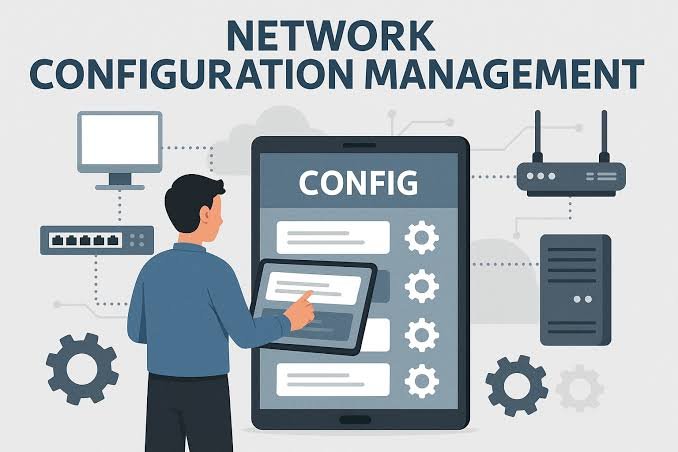

Network Device Config Management: A Smarter Approach to Network Control
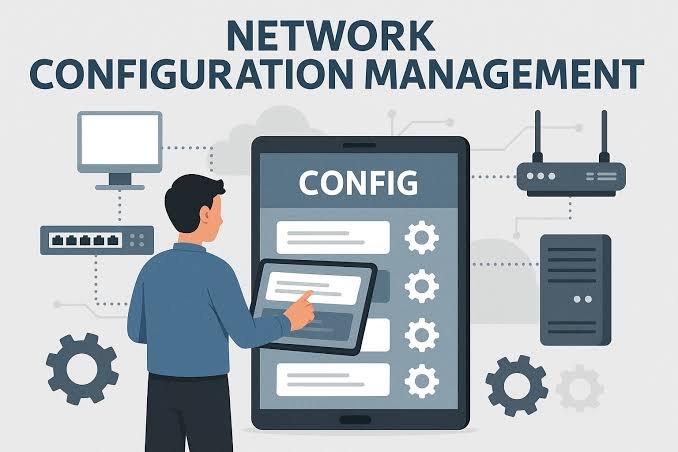
Network device config management is the process of managing, monitoring, backing up, and controlling configuration settings across enterprise network devices. It helps organisations maintain consistency across routers, switches, firewalls, SD-WAN appliances, cloud networking components, and other critical infrastructure.
As enterprise environments become more distributed, managing device configurations manually can create unnecessary complexity. A single incorrect configuration can affect network performance, introduce security vulnerabilities, cause service disruptions, or create compliance issues. This is why businesses need a structured approach to network device config management.
Modern enterprises are increasingly moving towards automated, intelligent, and continuous configuration management. Tata Communications supports this evolution through its network and hybrid infrastructure capabilities, including intelligent platforms designed to improve visibility, configurability, and operational control across complex environments.
What Is Network Device Config Management?
Network device config management refers to the systematic process of discovering network devices, documenting their configurations, creating backups, tracking changes, enforcing approved standards, and identifying configuration drift.
In a typical enterprise, hundreds or even thousands of devices may operate across offices, branches, data centres, cloud environments, and edge locations. Managing every configuration manually becomes increasingly difficult as the network grows.
An effective network device config management strategy provides a centralised way to answer important questions such as:
What devices are currently connected to the network?
What configuration is running on each device?
Who made the latest configuration change?
Does the device still comply with the approved configuration baseline?
Can the previous configuration be restored if a change causes a problem?
By maintaining visibility and control, organisations can reduce the risks associated with unmanaged or inconsistent network configurations.
Why Is Network Device Config Management Important?
Network configurations directly influence connectivity, security, application performance, and business continuity. Even a small configuration error can potentially cause downtime or expose parts of the network to unnecessary risk.
Without a structured configuration management process, IT teams may rely on spreadsheets, manual backups, and individual knowledge. This approach becomes difficult to maintain in hybrid and multi-location environments.
Effective network device config management helps organisations improve operational consistency by ensuring devices follow defined standards. It also supports faster troubleshooting because teams can compare current configurations with previous versions and identify when changes occurred.
Configuration management can also strengthen governance. A documented history of configuration changes creates an audit trail and helps organisations demonstrate that network changes follow established processes. Tata Communications highlights device discovery, configuration backup, version history, baseline management, change workflows, and configuration drift management as important elements of modern network configuration management.
Key Components of Network Device Config Management
Device Discovery and Inventory
The first step is knowing exactly what exists in the network. Automated device discovery can help organisations maintain an accurate inventory of routers, switches, firewalls, SD-WAN devices, and other infrastructure.
A reliable inventory should include relevant details such as device type, location, operating system, ownership, and configuration status.
When organisations lack accurate device visibility, unmanaged devices and outdated configurations can easily remain unnoticed.
Configuration Backup and Version Control
Configuration backups are essential for reducing the impact of failed changes. A well-managed system should maintain historical versions so teams can compare configurations and restore an earlier version when necessary.
Version control also improves accountability. Instead of trying to determine what changed after a network issue occurs, IT teams can review the configuration history and identify relevant modifications.
Configuration Baseline Management
A configuration baseline defines the approved or expected configuration for a device or group of devices.
For example, an organisation may establish standard settings for firewall rules, authentication policies, routing protocols, access controls, or network interfaces.
Baseline management helps ensure that devices are configured consistently across the organisation. It also makes it easier to identify deviations from approved standards.
Change Management
Every configuration change should follow a controlled process.
A strong network change management workflow typically involves planning, validation, approval, implementation, and verification. This reduces the possibility of unplanned changes affecting production systems.
Automated workflows can further improve this process by creating repeatable procedures for common configuration tasks.
Configuration Drift Detection
Configuration drift occurs when a device gradually moves away from its approved configuration.
Drift may result from manual changes, emergency fixes, inconsistent updates, or undocumented modifications. If it remains undetected, it can create performance, security, and compliance problems.
Continuous monitoring helps organisations identify these deviations earlier. Tata Communications describes modern configuration management as a continuous process that can use real-time anomaly detection to identify configuration drift instead of waiting for periodic audits or outages.
How Does Network Device Config Management Work?
A typical network device config management process begins with discovering devices across the infrastructure. Once devices are identified, their configurations can be collected and stored in a central repository.
The organisation then establishes approved configuration baselines. These baselines act as a reference point for determining whether devices are operating according to defined standards.
When a configuration change is required, the change should be validated and documented before deployment. After implementation, the updated configuration can be compared against the expected state.
Continuous monitoring can then identify configuration drift, unauthorised changes, or other inconsistencies.
This creates an ongoing lifecycle rather than a one-time configuration exercise.
Challenges of Manual Network Configuration Management
Manual configuration management may work in a small environment, but it becomes increasingly difficult as enterprise networks expand.
One major challenge is human error. Engineers may accidentally enter incorrect commands or apply the wrong configuration to a device.
Another challenge is inconsistent documentation. A configuration may be changed without the central documentation being updated, making future troubleshooting more difficult.
Multi-vendor environments add another layer of complexity because different devices may use different operating systems, command structures, and management tools.
Cloud adoption also changes the network environment. Enterprises must increasingly manage traditional on-premises infrastructure alongside cloud networking and software-defined environments.
These challenges are driving the need for centralised visibility, automation, and intelligent network operations.
Benefits of Automating Network Device Config Management
Automation can reduce repetitive manual work and improve consistency across network operations.
Instead of configuring devices individually, IT teams can apply standardised policies and workflows across multiple devices. Automated backups can also ensure that configuration data is regularly captured without relying on manual processes.
Another important benefit is faster incident response. When a configuration change causes an issue, version history and automated comparisons can help teams identify the source of the problem.
Automation also supports scalability. As organisations add new locations, cloud environments, and network devices, automated processes can help maintain consistent operational standards.
However, automation should not mean uncontrolled changes. The most effective approach combines automation with governance, validation, access controls, and approval workflows.
Network Device Config Management for Hybrid and Multi-Cloud Environments
Modern enterprise networks are no longer limited to a single data centre or office location.
Applications may run across public clouds, private infrastructure, edge environments, and SaaS platforms. Employees may also connect from distributed locations.
This creates a more complex configuration management challenge because visibility must extend beyond traditional network devices.
Tata Communications is focused on helping enterprises manage this complexity through its Digital Fabric, which brings together network, cloud, security, interaction, and IoT capabilities. Its ThreadSpan™ platform is designed to bring observability, configurability, and intelligent decision-making into a unified operational environment for hybrid infrastructure.
For multi-cloud environments, Tata Communications also provides unified management and visibility capabilities through its networking portfolio. The company describes its IZO™+ Multi Cloud Network as helping enterprises simplify multi-cloud operations through unified visibility, automation, and consistent management.
Improving Network Operations with Tata Communications
Enterprise network management requires more than simply monitoring whether a device is online. Organisations need visibility into infrastructure, configuration status, connectivity, performance, and potential operational risks.
Tata Communications offers network capabilities designed for increasingly distributed and complex enterprise environments. Its Network Fabric approach focuses on programmability, integrated security, unified visibility, and intelligent network management. The company also provides a customer portal designed to support management, provisioning, and policy control through a centralised interface.
ThreadSpan™ adds another dimension by bringing AI-powered control to hybrid infrastructure. Tata Communications positions the platform around continuous discovery, configuration management, baseline enforcement, and the detection of configuration drift.
This approach can help organisations move away from reactive network management and towards a more continuous and controlled operational model.
Best Practices for Network Device Config Management
A successful network device config management strategy should begin with a complete and accurate inventory of network infrastructure. Organisations should know which devices are active, where they are located, and who is responsible for them.
Configuration backups should be performed regularly, and version history should be maintained to support rapid recovery.
Standard configuration baselines should be created for different categories of devices. These standards should be reviewed and updated as security requirements and business needs evolve.
Organisations should also implement formal change management processes. High-impact changes should be validated before deployment and reviewed after implementation.
Continuous monitoring is equally important. Detecting configuration drift early can prevent small inconsistencies from developing into larger operational or security problems.
Finally, organisations should consider automation carefully. The goal should not simply be to automate every action, but to automate repeatable processes while maintaining appropriate governance and human oversight.
The Future of Network Device Config Management
The future of network device config management will increasingly be shaped by automation, AI, infrastructure-as-code principles, and continuous monitoring.
Networks are becoming more dynamic as organisations adopt cloud computing, edge infrastructure, AI workloads, and software-defined technologies. Static and periodic configuration reviews may no longer provide sufficient visibility.
Future-focused enterprises will need systems that can continuously discover infrastructure, identify changes, detect anomalies, and support faster remediation.
AI can also help operations teams analyse large volumes of configuration and network data. Instead of manually reviewing every change, teams may be able to focus their attention on anomalies and higher-risk issues.
Tata Communications is already positioning its network and hybrid infrastructure capabilities around programmability, automation, observability, and intelligent operations, reflecting the growing need for more adaptive network management.
Conclusion
Network device config management is a critical part of maintaining a secure, reliable, and scalable enterprise network. As infrastructure becomes more distributed, manual processes and fragmented tools can make configuration control increasingly difficult.
A modern approach should combine device discovery, centralised inventory, configuration backups, version control, baseline enforcement, change management, and continuous drift detection.
Automation and intelligent platforms can further improve efficiency, but governance and visibility remain essential.
With its Digital Fabric, Network Fabric, and ThreadSpan™ capabilities, Tata Communications provides enterprises with technologies and services designed to simplify the management of complex and hybrid digital infrastructure. By adopting a more continuous and intelligent approach to network device config management, organisations can improve operational resilience, reduce configuration-related risks, and prepare their networks for future growth.
Frequently Asked Questions
What is network device config management?
Network device config management is the process of managing, monitoring, backing up, tracking, and controlling configuration settings across network devices such as routers, switches, firewalls, and software-defined networking infrastructure.
Why is configuration management important for network devices?
It helps organisations maintain consistency, reduce configuration errors, detect unauthorised changes, improve troubleshooting, support compliance, and restore previous configurations when a change causes an issue.
What is configuration drift?
Configuration drift occurs when a network device moves away from its approved or expected configuration. It may result from manual changes, inconsistent updates, emergency fixes, or undocumented modifications.
How does automation improve network configuration management?
Automation can reduce repetitive manual tasks, improve consistency, create regular configuration backups, support faster change deployment, and help detect deviations from approved configuration baselines.
How can Tata Communications support network management?
Tata Communications offers network, multi-cloud, and hybrid infrastructure capabilities focused on unified visibility, automation, programmability, and intelligent operations. Its ThreadSpan™ platform is designed to support observability and configurability across complex hybrid environments.