
Bibag: Uses, Benefits, and Role in Haemodialysis Treatment
Bibag is a dry bicarbonate concentrate system used in haemodialysis to prepare the bicarbonate component of dialysis fluid. It helps healthcare facilities manage bicarbonate concentrate preparation while supporting the requirements of compatible dialysis machines and prescribed dialysis protocols.
For hospitals, dialysis centres, and renal care professionals, understanding Bibag, its applications, and its role in dialysis fluid preparation is important for maintaining consistent treatment procedures.
What Is Bibag?
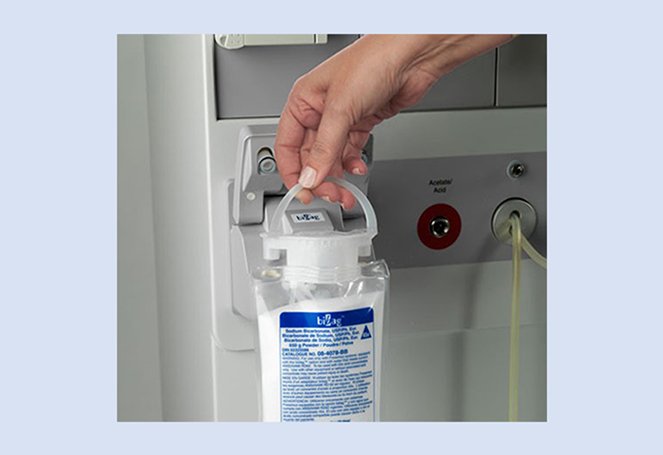
Bibag is a bicarbonate concentrate product system associated with haemodialysis equipment. Unlike conventional liquid bicarbonate concentrates, it uses dry sodium bicarbonate powder that is mixed with water by a compatible dialysis machine to prepare the required bicarbonate solution.
Bicarbonate is an essential component of dialysis fluid because it helps correct the acid-base imbalances that can occur in patients with kidney failure. During haemodialysis, the composition of the dialysis fluid is carefully controlled to support the removal of waste products and the management of electrolyte balance.
Bibag systems are designed for use with compatible haemodialysis machines. Healthcare facilities should always confirm product compatibility and follow the equipment manufacturer’s instructions.
How Does Bibag Work in Haemodialysis?
During haemodialysis, dialysis fluid flows through the dialyser, where substances move between the patient’s blood and the fluid across a semipermeable membrane.
The bicarbonate component contributes to the fluid’s buffering capacity. Bibag supports this process by supplying dry sodium bicarbonate that a compatible machine uses to prepare bicarbonate concentrate.
The preparation process generally involves connecting the appropriate Bibag container to the compatible equipment. The machine then prepares the concentrate according to its configured operating procedure. The bicarbonate concentrate is combined with the other required concentrate components and treated water to produce the prescribed dialysis fluid.
Correct preparation is essential because the composition and quality of dialysis fluid directly affect patient safety.
Key Benefits of Bibag for Dialysis Centres
1. Dry Bicarbonate Concentrate Format
One of the main characteristics of Bibag is its dry powder format. Compared with conventional liquid bicarbonate concentrate systems, a dry format can reduce the need to handle and store large volumes of ready-made liquid concentrate.
The practical benefits depend on the dialysis centre’s equipment, storage facilities, consumption levels, and supply arrangements.
2. Supports Dialysis Fluid Preparation
Bibag is designed to support the preparation of bicarbonate concentrate in compatible dialysis machines. This helps dialysis facilities incorporate bicarbonate preparation into their established treatment workflow.
The machine’s instructions and prescribed operating settings must be followed to ensure that the prepared concentrate meets the required specifications.
3. Helps Manage Storage Requirements
Dry concentrate products can offer storage and handling advantages compared with equivalent quantities of liquid concentrate. However, the actual space savings depend on packaging dimensions, inventory levels, storage conditions, and product usage.
Dialysis centres should evaluate these factors when planning their concentrate procurement and storage processes.
4. Designed for Compatible Dialysis Equipment
Bibag is associated with specific compatible haemodialysis machines rather than being a universal solution for every dialysis system. Confirming equipment compatibility before procurement helps avoid connection problems, workflow disruptions, and inappropriate product use.
5. Supports Standardised Clinical Workflows
When used according to approved procedures, Bibag can form part of a standardised bicarbonate preparation workflow. Consistent procedures for product handling, machine setup, concentrate preparation, and quality checks are important for dialysis operations.
Bibag vs. Liquid Bicarbonate Concentrate
Both dry bicarbonate systems and liquid bicarbonate concentrates serve the same general purpose: supplying the bicarbonate component required to prepare dialysis fluid. Their main differences relate to product format, preparation, storage, and equipment requirements.
| Feature | Bibag dry system | Liquid bicarbonate concentrate |
|---|---|---|
| Product format | Dry sodium bicarbonate powder | Prepared liquid concentrate |
| Preparation | Prepared by compatible equipment | Handled according to the product and machine instructions |
| Storage | Requires suitable storage for dry product | Requires storage for liquid containers |
| Equipment compatibility | Specific compatible machines | Depends on the concentrate and machine |
| Handling considerations | Moisture protection and correct connection | Container handling and applicable storage requirements |
Neither format is automatically better for every dialysis centre. The appropriate option depends on machine compatibility, clinical protocols, operational needs, and the manufacturer’s specifications.
Important Considerations When Choosing Bibag
Before selecting Bibag for a dialysis facility, healthcare teams should evaluate several factors.
Machine compatibility: Confirm that the product is approved for use with the specific dialysis machine model.
Product quality: Check the manufacturer’s documentation, product specifications, packaging integrity, and applicable quality requirements.
Storage and handling: Follow the specified storage conditions and protect dry bicarbonate products from moisture and contamination.
Preparation procedures: Use the equipment manufacturer’s approved instructions for concentrate preparation and dialysis fluid monitoring.
Staff training: Ensure that dialysis personnel understand the correct connection, handling, preparation, and troubleshooting procedures.
Patient safety: Follow established protocols for dialysis fluid quality, machine checks, and treatment monitoring. Incorrect concentrate preparation can create clinically significant electrolyte or acid-base disturbances.
Why Is Bicarbonate Important in Haemodialysis?
Healthy kidneys help regulate the body’s acid-base balance. When kidney function is severely reduced, acids can accumulate, contributing to metabolic acidosis.
Bicarbonate in dialysis fluid helps support the correction of this imbalance during haemodialysis. The dialysis prescription determines the appropriate fluid composition for an individual patient.
Bibag contributes to the preparation of the bicarbonate component, but it does not independently determine the correct treatment concentration. The dialysis machine, approved concentrate products, water quality, and clinical prescription must work together under established safety procedures.
Why Consider Surni Labs for Dialysis Products?
Surni Labs manufactures products for the renal care sector, including haemodialysis concentrates and related dialysis products. When evaluating bicarbonate concentrate solutions, healthcare facilities should assess product specifications, compatibility, quality documentation, supply reliability, and technical support.
For any Bibag-related procurement or product comparison, it is important to verify the exact product being offered and whether it is compatible with the facility’s dialysis equipment. Product names and system compatibility should not be assumed to be interchangeable across manufacturers.
Frequently Asked Questions
What is Bibag used for?
Bibag is a dry bicarbonate concentrate system used with compatible haemodialysis machines to prepare the bicarbonate component of dialysis fluid.
Is Bibag a liquid or dry concentrate?
Bibag uses dry sodium bicarbonate powder rather than ready-made liquid bicarbonate concentrate.
Can Bibag be used with every dialysis machine?
No. Compatibility depends on the dialysis machine model and its approved operating requirements.
What are the benefits of dry bicarbonate concentrate?
Potential advantages include reduced liquid storage requirements and integration with compatible machine-based preparation workflows. Actual benefits depend on the facility’s equipment and operating conditions.
Why is bicarbonate used in dialysis fluid?
Bicarbonate acts as a buffer and helps manage acid-base balance during haemodialysis. Its concentration must be appropriate for the prescribed treatment.
Conclusion
Bibag is a dry bicarbonate concentrate system designed to support dialysis fluid preparation in compatible haemodialysis machines. Its dry format may offer practical handling and storage advantages, while its role in bicarbonate delivery makes it relevant to routine renal care operations.
For dialysis centres, the most important considerations are equipment compatibility, product quality, correct preparation, and adherence to clinical safety procedures. Evaluating these factors helps healthcare professionals choose suitable products for their haemodialysis workflows.