


How to Evaluate a High-Quality Medical CNC Machining Company
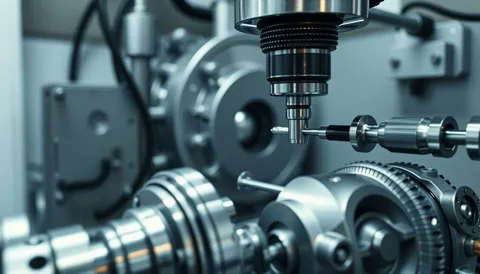
In the medical industry, precision is not optional—it is essential. Components used in surgical tools, implants, diagnostic devices, and medical equipment must meet extremely tight tolerances and strict regulatory standards. Because of this, selecting the right medical CNC machining company is a critical decision for manufacturers and healthcare suppliers.
A reliable partner can directly impact product safety, performance, and compliance. On the other hand, choosing the wrong provider can lead to defects, regulatory issues, and costly delays. This guide explains how to evaluate a medical CNC machining company effectively so you can make an informed and confident choice.
Assess Industry Experience and Specialization
When evaluating a medical CNC machining company, the first factor to consider is industry experience. Medical manufacturing is highly specialized, requiring deep knowledge of biocompatible materials, tight tolerances, and regulatory compliance such as ISO 13485 standards. A company with proven experience in the medical field is more likely to understand these requirements.
You should also look at how long the company has been serving medical clients. Longevity often reflects reliability and technical competence. Companies that consistently work with hospitals, medical device manufacturers, or pharmaceutical equipment providers tend to have refined processes tailored for medical applications.
Equally important is specialization. Not all CNC machining providers focus on medical parts. A strong medical CNC machining company will clearly demonstrate expertise in producing components like orthopedic implants, surgical instruments, or precision housings for diagnostic devices. Their portfolio should reflect consistent work in this sector.
Finally, ask for case studies or project examples. Real-world applications provide insight into whether the company can handle the complexity and precision required in medical manufacturing.
Evaluate Quality Control Systems and Certifications
Quality control is the backbone of any reliable medical CNC machining company. Medical components cannot afford errors, so strict inspection systems must be in place at every stage of production. Look for companies that use advanced inspection tools such as coordinate measuring machines (CMM), optical comparators, and real-time monitoring systems.
A strong quality management system ensures consistency across batches. Ask how the company handles incoming materials, in-process inspections, and final product verification. A reputable supplier will have documented procedures that guarantee each part meets exact specifications before shipment.
Certifications are another essential indicator of quality. ISO 13485 is particularly important for medical manufacturing. It shows that the company follows internationally recognized standards for medical device production. Other certifications, such as ISO 9001, also demonstrate a commitment to quality.
A dependable medical CNC machining company should also be transparent about its quality audits and testing reports. If a supplier is hesitant to share this information, it may indicate gaps in their quality control system.
Check Material Expertise and Manufacturing Capabilities
Medical CNC machining often involves specialized materials such as titanium, stainless steel, PEEK, and other biocompatible polymers. A capable medical CNC machining company must have experience working with these materials without compromising structural integrity or precision.
Material expertise includes understanding how different substances behave under machining conditions. For example, titanium is strong but difficult to machine, requiring specialized tools and techniques. A skilled manufacturer will know how to optimize cutting speeds, tool selection, and cooling methods to achieve flawless results.
Manufacturing capabilities are equally important. Advanced multi-axis CNC machines allow for higher precision and more complex geometries. A modern medical CNC machining company should have 3-axis, 4-axis, and 5-axis machining capabilities to handle a wide range of medical components.
You should also evaluate whether the company can handle prototyping and mass production. A flexible supplier that supports both small-batch custom parts and large-scale production is ideal for growing medical businesses.
Analyze Precision, Tolerances, and Technology Use
Precision is the defining feature of any medical component. Even the smallest deviation can affect performance or patient safety. Therefore, a reliable medical CNC machining company must consistently deliver ultra-tight tolerances, often within microns.
When evaluating precision capabilities, ask about their typical tolerance range. High-quality providers often work within ±0.005 mm or even tighter, depending on the application. This level of accuracy is crucial for implants and surgical instruments.
Technology also plays a major role in achieving precision. Modern CNC machining centers equipped with CAD/CAM software, automation systems, and real-time monitoring ensure consistent results. A forward-thinking medical CNC machining company will continuously invest in upgrading its equipment.
Additionally, digital simulation tools help prevent machining errors before production begins. This reduces waste, improves efficiency, and ensures that final parts match design specifications perfectly.
Consider Communication, Compliance, and Customer Support
Beyond technical capabilities, communication is a key factor in choosing the right medical CNC machining company. Clear and responsive communication ensures that design requirements, material specifications, and deadlines are fully understood and met.
A good supplier will provide regular project updates and be open to collaboration during design optimization. This is especially important in medical manufacturing, where even minor adjustments can significantly impact functionality and compliance.
Regulatory compliance is another critical aspect. Medical products must meet strict national and international standards. A trustworthy medical CNC machining company will be familiar with FDA requirements, CE marking standards, and other regulatory frameworks depending on the target market.
Customer support also reflects the reliability of a company. Responsive technical assistance, quick problem resolution, and after-sales service indicate a long-term partnership mindset rather than a short-term transactional approach.
Conclusion
Choosing the right medical CNC machining company is a strategic decision that directly affects product quality, safety, and regulatory success. From industry experience and certifications to precision capabilities and customer support, every factor plays an important role in ensuring reliable manufacturing outcomes.
A high-quality partner not only delivers precise components but also contributes to innovation, efficiency, and compliance in the medical field. By carefully evaluating each of the criteria discussed above, businesses can establish strong partnerships that support long-term growth and patient safety.
Ultimately, the right medical CNC machining company becomes more than just a supplier—it becomes a trusted extension of your engineering and production team.