


How CNC Machining for Automotive Ensures Precision and Reliability
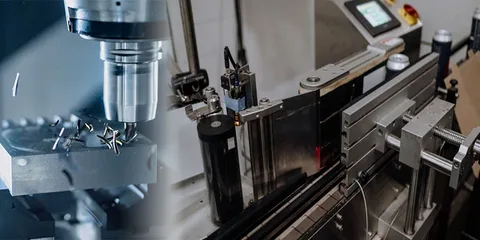
The automotive industry depends heavily on accuracy, durability, and consistency in every component used in vehicle manufacturing. Even the smallest error in a part can affect safety, performance, and efficiency. This is where modern manufacturing technologies like CNC machining play a crucial role.
cnc machining for automotive has become a cornerstone of high-quality vehicle production, allowing manufacturers to produce complex parts with exceptional precision and repeatability. By using computer-controlled systems, automotive companies can achieve tight tolerances and reliable results at scale.
High Precision in Automotive Component Manufacturing
One of the biggest advantages of CNC machining in the automotive sector is its ability to produce highly precise parts. Vehicles contain thousands of components, many of which must fit together perfectly to ensure smooth operation. CNC machines follow programmed instructions with extreme accuracy, reducing human error and ensuring every part meets exact specifications.
This precision is especially important for engine components, transmission parts, and braking systems, where even minor deviations can lead to performance issues or safety risks. With cnc machining for automotive, manufacturers can consistently produce parts that match design requirements down to microns.
The consistency offered by CNC systems also ensures that every batch of components is identical. This level of uniformity is difficult to achieve with traditional manufacturing methods, making CNC machining a preferred solution for modern automotive production.
Enhanced Reliability and Durability of Parts
Reliability is a critical factor in automotive manufacturing because vehicles must perform safely under different conditions over long periods. CNC machining contributes significantly to this reliability by producing parts with consistent structural integrity and high-quality finishes.
Since CNC machines operate with minimal manual intervention, the chances of defects caused by human error are significantly reduced. This leads to stronger, more durable components that can withstand stress, heat, and continuous use.
Using cnc machining for automotive, manufacturers can select high-performance materials such as aluminum, steel, and titanium, and shape them with precision. The result is parts that not only meet design standards but also maintain their performance over time, even in demanding environments.
Increased Production Efficiency and Speed
In the competitive automotive industry, speed and efficiency are essential. CNC machining allows manufacturers to produce complex parts quickly without sacrificing quality. Once a design is programmed into the system, the machine can run continuously with minimal supervision.
This automation significantly reduces production time compared to traditional machining methods. It also allows manufacturers to scale production easily, meeting high demand without delays or bottlenecks.
With cnc machining for automotive, companies can streamline their workflows, reduce manual labor, and improve overall productivity. This efficiency helps automotive brands bring new models and innovations to market faster.
Flexibility in Design and Customization
Modern vehicles require a wide range of customized and innovative parts to meet performance, design, and consumer demands. CNC machining offers exceptional flexibility, allowing engineers to create complex shapes and designs that would be difficult or impossible with conventional methods.
Because CNC systems are driven by digital designs, modifications can be made quickly and efficiently. This makes it easier for automotive manufacturers to test prototypes, refine designs, and produce customized components without major production delays.
cnc machining for automotive supports both mass production and small-batch customization. Whether it’s luxury car parts or specialized performance components, CNC technology adapts easily to different production needs while maintaining precision.
Consistency and Quality Control in Mass Production
Consistency is essential in automotive manufacturing, especially when producing large quantities of parts. CNC machining ensures that every component produced is identical to the original design, maintaining strict quality standards across all units.
Quality control is also enhanced because CNC machines reduce variability caused by human involvement. Automated systems follow exact instructions every time, which minimizes defects and improves overall product reliability.
With cnc machining for automotive, manufacturers can confidently scale production while maintaining high-quality output. This consistency is crucial for building trust with customers and ensuring vehicle safety and performance standards are met.
Conclusion
CNC machining has transformed the automotive industry by delivering unmatched precision, reliability, and efficiency in component manufacturing. From engine parts to structural components, this technology ensures that every piece meets strict engineering standards.
As demand for high-performance and reliable vehicles continues to grow, cnc machining for automotive will remain a key driver of innovation and quality in the industry. Its ability to combine speed, accuracy, and flexibility makes it an essential tool for modern automotive production and future advancements.