


How Liquid Chromatography-Mass Spectrometry (LC-MS) Improves Sensitivity in Assays
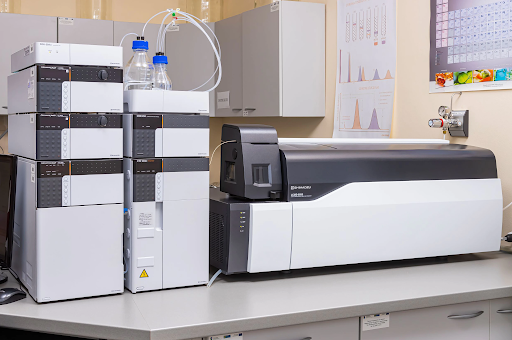
Bioanalytical studies require sensitive analytical methods to detect low concentrations of compounds within biological matrices. Researchers analyze plasma, serum, urine, and tissue samples that contain endogenous substances that can interfere with detection. Since conventional analytical approaches may struggle to detect trace analytes under these conditions, LC-MS bioanalysis, often referred to in industry terminology as LCMS Mass Spectrometry, is used to improve selectivity, sensitivity, and quantitative reliability in regulated pharmaceutical and biotechnology studies.
What is LC-MS?
Liquid Chromatography-Mass Spectrometry (LC-MS) combines chromatographic separation with mass spectrometric detection of compounds based on their mass-to-charge ratios. It separates analytes based on their chemical properties before they enter the mass spectrometer, which then identifies and quantifies ions generated during ionization. Advanced LC-MS workflows, including LC-MS/MS Analysis, improve analytical specificity and sensitivity in regulated bioanalysis. These approaches support quantitative data across preclinical and clinical research programs.
Why Sensitivity Matters in Bioanalytical Assays
Sensitive analytical assays enable researchers to measure low analyte concentrations during pharmaceutical development accurately. For example, pharmacokinetic studies require precision to evaluate absorption, distribution, metabolism, and excretion. Other studies, such as Toxicology, also depend on accurate low-level detection to determine exposure ranges and biological responses.
Poor assay sensitivity can compromise data integrity in analytical outcomes. Therefore, sensitivity is an important part of assay testing and regulatory submissions that align with the International Council for Harmonization (ICH) and U.S. Food and Drug Administration (FDA) guidelines.
How LC-MS Improves Assay Sensitivity
LC-MS improves assay sensitivity through selective compound separation, reduced matrix interference, and accurate ion detection.
Better Separation of Biological Compounds
Chromatographic separation reduces interference from endogenous compounds before mass detection. This process isolates target analytes from proteins, salts, phospholipids, and metabolites commonly found in biological matrices. By reducing the interference, the process improves clarity and lowers ion suppression during ionization. The improved separation supports cleaner signal generation and reliable quantitative analysis during regulated studies.
Higher Detection Capability
LC-MS improves detection performance through selective ion monitoring, improved analyte separation, and advanced mass analysis techniques. Some of the analytical advantages include:
- Trace-Level Detection: Detects low-concentration analytes within highly complex biological matrices.
- Signal-to-Noise Improvement: Enhanced signal clarity improves quantitative accuracy during analysis.
- Selective Ion Monitoring: Targeted ion monitoring improves analytical specificity during compound detection.
- Reduced Background Interference: Advanced mass filtering techniques minimize unwanted signals during compound identification.
- Reliable Quantification: Provides accurate quantification across low-concentration ranges.
These capabilities enhance analytical sensitivity and enable reliable detection of low-abundance compounds in regulated bioanalytical studies.
Improved Accuracy at Low Concentrations
Sensitive analytical methods need to maintain accuracy and precision at low concentration levels. A mass spectrometry assay supports reproducible quantification of plasma and serum samples during repeated analytical runs. The performance helps researchers effectively evaluate drug exposure and biological responses. Moreover, reliable low-level quantification also strengthens data quality throughout regulated pharmaceutical studies.
Must Read: Cell Toxicity Assay Sample Preparation and Laboratory Guidelines
Importance of Proper LCMS Sample Preparation
Since sample preparation directly impacts the analytical sensitivity and reproducibility, laboratories must carefully control handling procedures to minimize contamination and analyte degradation before instrumental analysis.
Some of the important preparation considerations include:
- Sample Stability: Controlled storage and transport conditions to help maintain analyte integrity before analysis.
- Validated Extraction Procedures: Standardized cleanup methods to improve analytical consistency and recovery.
- Contamination Prevention: Careful handling to reduce the risk of introducing interfering substances into samples.
- Matrix Effect Reduction: Proper preparation to minimize ion suppression before instrumental detection.
A properly prepared LC-MS sample supports cleaner chromatographic separation and reliable analytical performance.
Applications of Sensitive LC-MS nd LC-MS/MS Methods
Sensitive analytical methods support multiple stages of pharmaceutical and biotechnology research, ranging from early discovery to clinical trials.
Pharmacokinetics and Toxicology
Pharmacokinetic studies require accurate measurement of parent drugs and metabolites in biological matrices. Sensitive detection helps researchers keep track of changes in concentration over time and accurately determine exposure profiles. Similarly, toxicology assessments also depend on low-level analyte detection to evaluate compound safety and biological response patterns during regulated studies.
Biomarker and Biologics Research
Biologics and biomarker studies include the use of compounds present at low concentrations. Sensitive analytical methods enable laboratories to quantify peptides, proteins, and molecular biomarkers in complex biological samples. These analytical capabilities support biological characterization, therapeutic monitoring, and translational research.
LCMS Bioanalysis in Regulated Research
Regulated studies require accurate and scientifically validated analytical data. LCMS Bioanalysis supports workflows through selective quantification and validated analytical performance. ICH and FDA guidance documents focus on assay validation accuracy and sensitivity. Therefore, laboratories conducting GLP-compliant studies rely on sensitive analytical methods to maintain data quality and regulatory compliance.
Sensitivity Considerations in Assay Testing
Some of the important technical variables that influence assay sensitivity and analytical reliability include:
- Matrix Effects and Ion Suppression: Endogenous compounds may interfere with ionization, reducing detection sensitivity.
- Instrument Calibration: Proper calibration improves detector performance and accuracy.
- Chromatographic Optimization: Optimized separation conditions improve analyte recovery and peak resolution.
- Analytical Standard Stability: Stable reagents help maintain reproducible analytical performance.
- Quality Control Procedures: Continuous monitoring during Assay Testing strengthens confidence in analytical results.
Carefully controlling these variables can improve reproducibility and strengthen confidence in analytical results across regulated pharmaceutical development research programs.
Conclusion
Liquid Chromatography-Mass Spectrometry improves analytical sensitivity by combining chromatographic separation with accurate mass-based detection. Laboratories use LC-MS methods and workflows to make analytical data that support reliable research outcomes. These abilities help laboratories identify low-level compounds within complex biological matrices and support pharmacokinetic evaluations, toxicology assessments, biomarker research, and regulated drug development activities.