


Why I Finally Gave In and Tried On Cloud Shoes (And Haven’t Looked Back)
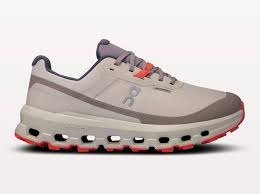
For months, I resisted the trend. Every runner, airport traveler, and weekend errand-runner I knew was suddenly swapping their bulky trainers for something that looked like a Swiss cheese sneaker crossed with a trampoline. The object of this quiet obsession? On cloud shoes.
I told myself it was just marketing hype. Cool-looking foam? Fancy holes? Please. But after my third foot injury in two years and a growing pile of insoles that promised everything yet delivered nothing, I limped into a running store with exactly zero expectations. What happened next surprised me.
H2: What Exactly Are On Clouds? (Not the Weather Kind)
Let’s clear this up first. When people say on clouds, they aren’t talking about cumulus formations outside an airplane window. The brand is On, and their signature technology involves hollow, pod-like structures on the sole. These are the “clouds.” They compress vertically and horizontally with each step—then lock into a solid platform for takeoff.
I used to roll my eyes at shoe gimmicks. But here’s the thing: this design actually serves a purpose. The pods absorb impact when your foot lands (that’s the soft, floaty sensation everyone raves about), then stiffen right before you push off. It feels like walking on a memory foam mattress that suddenly remembers it’s also a running shoe.
The secondary keyword on Cloud (capital C matters to the brand) usually refers to specific models, like the Cloudstratus or Cloudswift. But in daily conversation, people just say “on clouds” for anything the company makes. I’ll stick with that here.
H2: The First Time I Laced Up a Pair
I tried the On Cloud shoes wift—the model built for city miles and pavement. Slipping my foot in, the first thing I noticed was the heel counter. It didn’t dig in like my old ASICS. Instead, it held my ankle like a firm but polite handshake. The tongue is connected to the inner sock liner, which sounds minor until you realize you never have to adjust it mid-run.
Then I stood up.
That initial step felt… wrong. Too soft. I actually looked down to see if I’d stepped on a gel pad. But after three walking laps around the store, something clicked. The on cloud shoes weren’t mushy. They were responsive. Every bounce back from the pavement felt calculated, not chaotic.
I bought them on the spot. The cashier said, “Welcome to the cult.” I laughed. Now I understand.
H2: Breaking Down the “On Clouds” Hype – Point by Point
Let me give you the honest breakdown after 200 miles in these things. Not the influencer script. My actual, sore-arched, skeptical self talking.
H3: Where On Cloud Shoes Shine (And I Mean Really Shine)
Daily commuting and standing. I work twelve-hour shifts on concrete floors. My lower back used to scream by hour eight. With on clouds, the screaming dropped to a grumble by hour ten, then silence. The cushioning never bottoms out, even after months.
Short to medium runs (3–8 miles). These are not maximalist marathon crushers. But for 5Ks or a quick post-work jog? Perfect. The on clouds encourage a midfoot strike naturally because the heel pods compress faster than the forefoot. You’ll feel it.
Rainy days. The mesh dries in twenty minutes. I’ve splashed through puddles and stepped into wet grass. My socks stayed surprisingly dry. That hollow sole also means water drains out instantly instead of sloshing around.
H3: Where On Clouds Fall Short (Let’s Be Real)
No shoe is perfect. The on clouds line has a couple of genuine flaws.
First, the pods trap small rocks. If you run on gravel, you will hear a tiny click-click-click every step until you stop and flick a pebble out. Annoying? Yes. Dealbreaker? Only if you trail run exclusively.
Second, the outsole wears faster on the lateral side if you supinate (walk on the outside edges of your feet). I noticed flattening around mile 150. Rotating two pairs helps, but it’s worth knowing.
And third—price. Most on cloud shoes hover between
140and
140and170. That’s premium territory. You’re paying for the engineering and the patent. I decided my feet were worth it. Your wallet may disagree.
H2: How to Style On Clouds Without Looking Like a Robot
Here’s a problem nobody talks about. On cloud have a distinct visual language. That big, perforated sole and sleek upper don’t blend with everything.
I learned the hard way. Pairing them with baggy cargo shorts made me look like a futuristic janitor. Now I stick to:
- Slim joggers (cuffed at the ankle so the shoe is visible)
- 7-inch running shorts (dark colors work best)
- Casual chinos rolled once (for office wear – yes, you can get away with it in creative workplaces)
Avoid wide-leg pants. They swallow the shoe’s shape and defeat the whole streamlined aesthetic. Also, white on clouds look incredible until you step in one mud puddle. Then they look like regrets. Go for black, gray, or the “All Black” edition.
H2: Which Model of On Clouds Should You Buy First?
Not all on clouds are created equal. I’ve tried four models. Here’s the shortcut.
- Cloudswift: Best for city walking and gym days. Firmest of the bunch but still soft enough for all-day wear.
- Cloudrunner: Maximum cushion. If you have plantar fasciitis or knee issues, start here.
- Cloud X: Low-profile, almost barefoot feel. Great for cross-training and short sprints. Not for distance.
- Cloudmonster: The most “bouncy” model. Taller sole, more energy return. Feels ridiculous in a wonderful way.
If you can only buy one, get the Cloudswift. It’s the Goldilocks option—not too soft, not too firm, just right for 90% of daily life.
H2: Final Verdict – Are On Cloud Shoes Worth Your Money?
Look, I’m not a brand ambassador. I don’t get free shoes. I paid full price like everyone else. And after six months of testing, I can say this: on cloud shoes delivered exactly what they promised. My feet don’t ache. My knees don’t pop on stairs. And yes, I’ve bought a second pair.
Are they overhyped? Some models, maybe. The limited editions and celebrity collabs? Hard pass. But the core technology—those hollow on clouds under your heels—actually works. It’s not magic. It’s physics. And physics, unlike marketing, doesn’t lie.
If you’re tired of guessing which cushioning system will save your joints, skip the endless review rabbit holes. Find a store. Lace up a pair of on clouds. Walk one lap. You’ll either shrug and hand them back—or you’ll join the rest of us, walking on literal clouds, never once looking down at our sneakers with regret.