

Solar Proposal Software: How It Helps Solar Businesses Create Better Proposals Faster
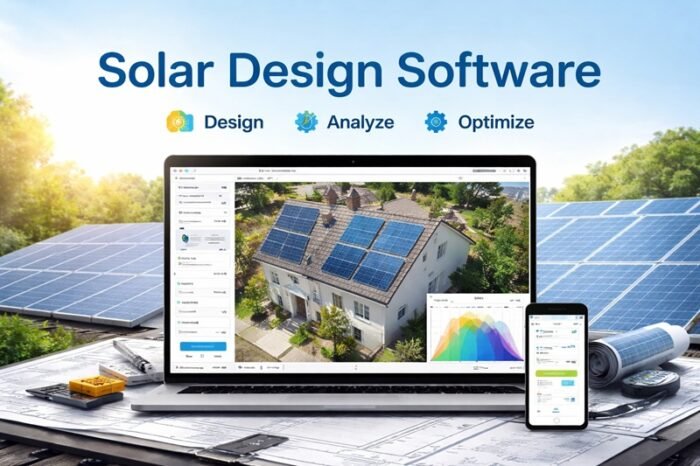
Selling solar systems involves much more than explaining how solar panels work. Customers want to know how much a system will cost, how much they could potentially save, what the installation may look like, and whether the investment makes financial sense. A well-prepared proposal can make this information easier to understand and help customers make confident decisions.
This is where solar proposal software can make a real difference. Instead of preparing proposals manually using spreadsheets, presentation tools, or multiple disconnected applications, solar companies can use dedicated software to create professional, customized proposals in less time.
What Is Solar Proposal Software?
Solar proposal software is a digital tool that helps solar installers and sales teams create, customize, and share proposals for potential customers.
It can bring information such as system design, energy production estimates, equipment details, pricing, financing options, savings projections, and visual layouts into a single customer-facing proposal.
The main goal is simple: make the solar sales proposal process faster, clearer, and more consistent.
Depending on the platform, solar proposal software may also connect with solar design tools, CRM platforms, financing providers, e-signature applications, and other systems used by solar businesses.
Why Do Solar Companies Need Proposal Software?
Creating a solar proposal manually can take considerable time. Sales representatives may need to collect customer information, calculate system costs, add product details, prepare financial estimates, create charts, and format everything into a professional document.
This process becomes even more challenging when a company handles a large number of leads.
Solar proposal software can automate or simplify many of these tasks. Instead of starting every proposal from scratch, teams can work from predefined templates and automatically populate relevant project information.
This allows sales representatives to spend more time talking to customers and less time formatting documents.
What Should Solar Proposal Software Include?
The right features depend on the needs of the solar company, but several capabilities are particularly useful.
Professional Proposal Templates
Templates provide a consistent structure for every proposal. Companies can include their logo, brand information, contact details, product information, pricing, and standard terms without rebuilding the layout every time.
A professional-looking proposal can also make a small solar business appear more organized and established.
Solar System Information
Customers generally want to understand what they are buying. Proposal software can present information about the proposed system, including panel specifications, system size, estimated production, and other relevant project details.
Presenting technical information in a simple format can make the proposal easier for homeowners and businesses to understand.
Energy Production Estimates
Energy production is one of the most important parts of a solar proposal.
Software can help present estimated energy generation in an easy-to-understand format. Depending on the platform and available integrations, this information may be pulled from solar design or modeling systems.
Rather than presenting customers with a page full of technical figures, sales teams can use charts and visual explanations to communicate expected system performance.
Pricing and Financial Information
A solar proposal should make the financial side of the project clear.
Proposal software can help present system pricing, available financing options, estimated payments, incentives, and potential savings. The exact calculations and available financial features vary between platforms, so businesses should verify that the software supports the financial models they actually use.
Clear financial information can help customers understand the relationship between the initial investment and the potential long-term benefits.
Customizable Design
Every customer is different, and a proposal should not necessarily look identical for every project.
Good solar proposal software allows sales teams to customize sections, images, system information, pricing, and other content while maintaining the company’s overall branding.
E-Signature Support
Once a customer is ready to move forward, getting paperwork signed can become another step in the sales process.
Some solar proposal platforms include electronic signatures or integrate with e-signature services. This can allow customers to review and sign proposals digitally instead of printing and scanning documents.
How Does Solar Proposal Software Work?
The process is usually straightforward.
A sales representative starts with customer and project information. Depending on the software, the system may integrate with a CRM or solar design platform to bring this information into the proposal.
The representative then selects an appropriate proposal template and reviews important project details such as system specifications, pricing, financing, and estimated energy production.
After making any necessary adjustments, the proposal can be presented to the customer digitally. If the customer accepts the offer, some platforms can also support electronic signatures and other follow-up steps.
The exact workflow varies by software, but the purpose is to reduce repetitive work between lead generation and contract signing.
What Are the Benefits of Solar Proposal Software?
The biggest benefit is usually time savings.
Instead of creating every proposal manually, sales teams can use templates, automated calculations, integrations, and reusable content.
Another advantage is consistency. When every proposal follows a standardized structure, customers receive a more uniform experience regardless of which salesperson handles their project.
Solar proposal software can also reduce manual data entry. Connecting proposal tools with CRM, design, financing, or other systems can help minimize the need to enter the same information repeatedly.
There is also a customer-experience benefit. A proposal that clearly explains system specifications, pricing, estimated production, financing, and potential savings is easier to review than a collection of spreadsheets and documents.
Solar Proposal Software vs. Manual Proposals
Manual proposals are not necessarily wrong. A small solar company with only a few projects may be able to create effective proposals using standard office software.
The problem appears when proposal volume increases.
Manual processes can lead to inconsistent formatting, repeated data entry, calculation mistakes, outdated templates, and longer turnaround times.
Solar proposal software is particularly useful when a business wants to standardize the sales process and handle more proposals without increasing administrative work at the same rate.
How Solar Software Integrations Improve Proposals
Integrations can be one of the most valuable parts of a solar proposal platform.
For example, connecting proposal software with a CRM can allow customer information to move between sales and proposal workflows. Integration with solar design software can help bring system-related information into the proposal. Connections with financing or e-signature tools can further reduce the number of separate steps involved in closing a sale.
This creates a more connected workflow rather than forcing sales representatives to switch between multiple systems.
However, businesses should not choose software based solely on the number of integrations advertised. The important question is whether those integrations work with the tools the company already uses.
How to Choose Solar Proposal Software
Before choosing a platform, solar companies should consider their actual sales process.
Start by looking at proposal creation. Is the software easy for sales representatives to use? Can templates be customized without technical knowledge?
Next, consider integrations. If the business already uses a CRM, solar design platform, financing provider, or electronic signature service, check whether those systems are supported.
The software should also make pricing and financial information easy to present without making the proposal unnecessarily complicated.
Mobile and browser accessibility may also matter for sales teams that frequently meet customers outside the office.
Finally, consider scalability. Software that works for a team of three salespeople may not be the best choice for a company with dozens of representatives and thousands of leads.
Is Solar Proposal Software Worth It?
For many growing solar companies, it can be worthwhile because it addresses a repetitive part of the sales process.
The value is not simply in creating a better-looking document. The real benefit comes from reducing manual work, improving consistency, connecting sales tools, and making proposals easier for customers to understand.
For a very small installer with a low proposal volume, a simple template may be enough. But as lead volume and sales activity increase, dedicated proposal software can become much more useful.
Frequently Asked Questions About Solar Proposal Software
What is solar proposal software used for?
Solar proposal software is used to create and manage customer proposals for solar projects. It can combine system information, pricing, energy estimates, financing details, visual content, and other project information into a professional proposal.
Can solar proposal software calculate solar savings?
Some platforms can present or calculate estimated savings, energy production, financing costs, and other financial information. However, capabilities differ between software providers, so businesses should verify how calculations are generated and what inputs are required.
Can solar proposal software integrate with a CRM?
Yes. Many solar proposal platforms offer CRM integrations or APIs that allow customer and project information to move between systems. The available integrations vary by provider.
Can customers sign solar proposals online?
Some proposal platforms support electronic signatures directly, while others integrate with third-party e-signature services. This can make it easier to move from proposal approval to the next stage of the sales process.
Is solar proposal software suitable for small solar companies?
Yes, but the level of functionality required depends on the company’s proposal volume and workflow. Small businesses may benefit from templates and simple automation, while larger companies may need advanced integrations, permissions, analytics, and workflow automation.
What is the most important feature of solar proposal software?
There is no single feature that is best for every company. Ease of use, accurate project information, customizable templates, financial presentation, integrations, and workflow automation are all important considerations.
Final Thoughts
A solar proposal is more than a document containing a price. It is an opportunity to explain the value of a solar project clearly and give customers the information they need to make a decision.
Solar proposal software helps solar businesses streamline this process by combining proposal templates, project information, financial details, visual elements, and integrations into a more efficient workflow.
For companies looking to improve their solar sales process, the right platform can reduce repetitive administrative work while creating a more consistent and customer-friendly proposal experience. The best solution, however, is not necessarily the one with the longest feature list—it is the one that fits the company’s existing tools, sales process, and growth plans.