

Donate for Children: A Small Contribution Can Create a Big Difference
Millions of children around the world continue to face challenges such as poverty, hunger, lack of education, poor healthcare, child labour, and exploitation. While governments and social organizations work to improve these conditions, public support remains essential. Choosing to donate for children is one of the most effective ways to help vulnerable children access opportunities that can transform their lives.
Every contribution, regardless of size, can help provide education, nutrition, healthcare, and protection to children who need it the most. Donations not only support immediate needs but also create long-term positive change by empowering children to build brighter futures.
Why Donating for Children Matters
Children are the future of every society. When children grow up healthy, educated, and protected, they contribute positively to their communities and the economy. Unfortunately, many children living in disadvantaged conditions lack access to basic necessities that support their development.
Donations help bridge these gaps by funding programs that address critical issues affecting children. Whether it is providing school supplies, nutritious meals, healthcare services, or protection from exploitation, every contribution plays a role in improving a child’s quality of life. (cryamerica.org)
How Donations Help Children
Supporting Education
Education is one of the most powerful tools for breaking the cycle of poverty. Donations help fund school enrollment programs, learning materials, teacher training, scholarships, and educational infrastructure.
By supporting education initiatives, donors help children gain knowledge, confidence, and skills that improve their future opportunities. Many child welfare organizations focus on ensuring that children from vulnerable communities remain in school and complete their education. (cryamerica.org)
Improving Health and Nutrition
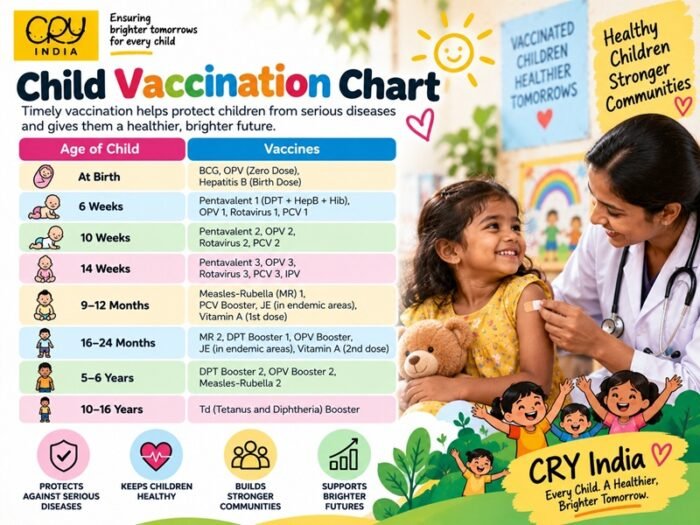
Good health is essential for a child’s physical and mental development. Donations contribute to healthcare services, medical camps, vaccination drives, and nutritional programs that support children’s overall well-being.
Many underprivileged children suffer from malnutrition and preventable diseases. Financial support helps organizations provide nutritious meals, health screenings, and awareness programs that improve child health outcomes. (cryamerica.org)
Protecting Children from Abuse and Exploitation
Child protection programs aim to safeguard children from violence, trafficking, child labour, child marriage, and other forms of exploitation. Donations support awareness campaigns, rescue efforts, rehabilitation programs, and legal assistance for vulnerable children.
These initiatives help create safer environments where children can grow and develop without fear or harm. (cryamerica.org)
Supporting Emergency Relief
Natural disasters, conflicts, and emergencies often affect children the most. Donations help provide food, shelter, healthcare, education support, and emotional care during crises.
Child-focused organizations use donated funds to respond quickly and ensure that affected children receive the assistance they need to recover and continue their development. (cryamerica.org)
Long-Term Impact of Donating for Children
The impact of donations extends far beyond immediate support. When children receive access to education, healthcare, and protection, they are more likely to become self-reliant adults who contribute positively to society.
Investing in children’s development helps reduce poverty, improve literacy rates, strengthen communities, and create better economic opportunities for future generations. Supporting children today creates lasting social change tomorrow. (cryamerica.org)
Ways to Contribute
There are several ways individuals can support child welfare initiatives. Financial donations remain one of the most direct methods, but people can also contribute through fundraising, volunteering, sponsorship programs, and awareness campaigns.
Regular contributions often help organizations plan long-term projects more effectively, ensuring continuous support for children and communities in need. (cryamerica.org)
Conclusion
Choosing to donate for children is more than an act of charity—it is an investment in a better future. Every contribution helps provide education, healthcare, nutrition, protection, and opportunities that allow children to reach their full potential.
When individuals, communities, and organizations come together to support child welfare, they create lasting positive change that benefits not only children but society as a whole. Even a small donation can become a powerful step toward transforming a child’s life and building a brighter future for generations to come.
FAQs
1. Why should I donate for children?
Donating for children helps provide education, healthcare, nutrition, and protection to vulnerable children who need support.
2. How do donations improve children’s education?
Donations fund school programs, learning materials, scholarships, and educational resources that help children continue their studies.
3. Can small donations make a difference?
Yes, even small contributions can help provide essential resources and support programs that positively impact children’s lives.
4. What areas do child welfare donations support?
Donations commonly support education, healthcare, nutrition, child protection, emergency relief, and community development programs.
5. How do child-focused organizations use donations?
Organizations use donations to implement welfare programs, provide direct support services, raise awareness, and improve children’s overall well-being.