

Importance of Education in Rural Areas: Breaking the Cycle of Poverty and Inequality
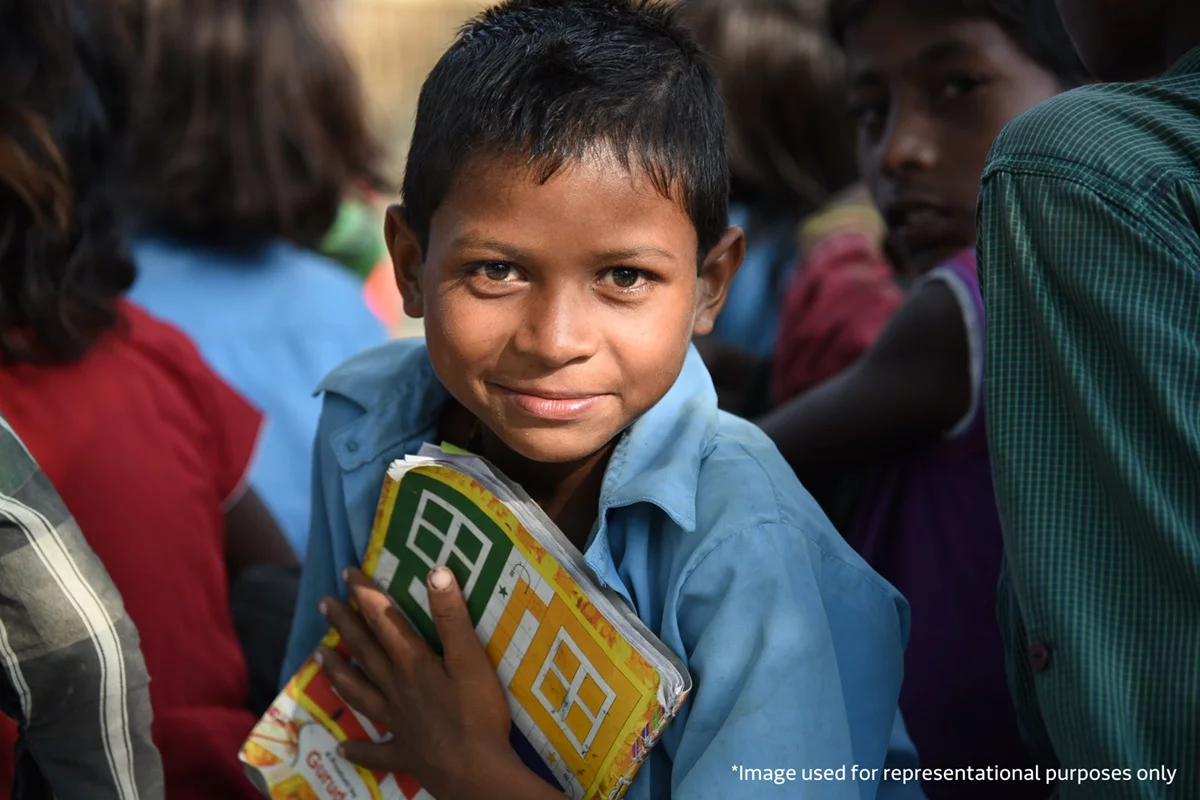
Education is widely recognized as one of the most powerful tools for transforming rural communities. In many villages and remote regions, children face limited access to quality schools, trained teachers, and learning resources. The importance of education in rural areas goes far beyond classrooms—it directly influences economic growth, health awareness, and social equality. Organizations such as CRY America focus on strengthening rural education systems to ensure children receive the opportunities they deserve.
Studies consistently show that education helps break the cycle of poverty by providing children with knowledge and skills needed for better employment and improved living conditions. When rural children gain access to education, communities experience long-term development and stronger social stability.
Understanding the Importance of Education in Rural Areas
The importance of education in rural areas lies in its ability to create equal opportunities for children who may otherwise remain disadvantaged. Rural communities often depend heavily on agriculture and local labor, which limits exposure to new skills and career options. Education introduces new knowledge, modern techniques, and problem-solving abilities that help individuals adapt to changing economic conditions.
Experts highlight that education plays a central role in rural development because it improves quality of life and supports economic progress. When people are educated, they are more likely to make informed decisions about health, finances, and community participation.
How Education Reduces Poverty in Rural Communities
One of the strongest arguments for the importance of education in rural areas is its direct impact on poverty reduction. Education equips individuals with the skills needed to secure stable employment and increase household income. It also encourages entrepreneurship and innovation, allowing families to diversify their sources of income.
Research indicates that quality education helps communities move toward sustainable growth by enabling individuals to develop life skills and critical thinking abilities. This transformation not only improves economic conditions but also strengthens social confidence and independence.
Improving Health and Social Awareness Through Education
Education plays a major role in promoting healthier lifestyles and better hygiene practices in rural areas. When children and families understand topics such as nutrition, sanitation, and disease prevention, overall community health improves significantly.
Educated individuals are also more likely to support gender equality and encourage girls’ education. Programs focused on rural education often help delay early marriage and improve maternal and child health outcomes. These social benefits highlight why education is considered a foundation for long-term community development.
Bridging the Urban–Rural Development Gap
Another key aspect of the importance of education in rural areas is its role in reducing the gap between rural and urban communities. Rural students often have fewer resources and limited exposure to technology, creating disadvantages in academic performance and employment opportunities. The digital divide—differences in access to technology and internet services—continues to widen this gap.
By improving school infrastructure, teacher training, and digital learning opportunities, rural education programs can provide students with equal chances to succeed. This approach helps create balanced national development and stronger economic growth.
How CRY America Supports Rural Education
CRY America works to ensure that children in rural communities receive access to education, healthcare, and protection. The organization collaborates with grassroots partners to improve school enrollment, reduce dropout rates, and create safe learning environments for children.
Their programs focus on sustainable change rather than short-term solutions. By supporting teachers, engaging parents, and strengthening community awareness, these initiatives help children remain in school and build brighter futures.
Conclusion
The importance of education in rural areas cannot be overstated. It empowers individuals, reduces poverty, improves health, and promotes social equality. Without strong education systems, rural communities risk falling further behind in development and opportunity. Organizations like CRY America demonstrate that targeted support and community involvement can transform the lives of rural children and create lasting progress for future generations.