


Does the Common Screen Protector on iPhone 17 Pro Affect Face ID Accuracy?
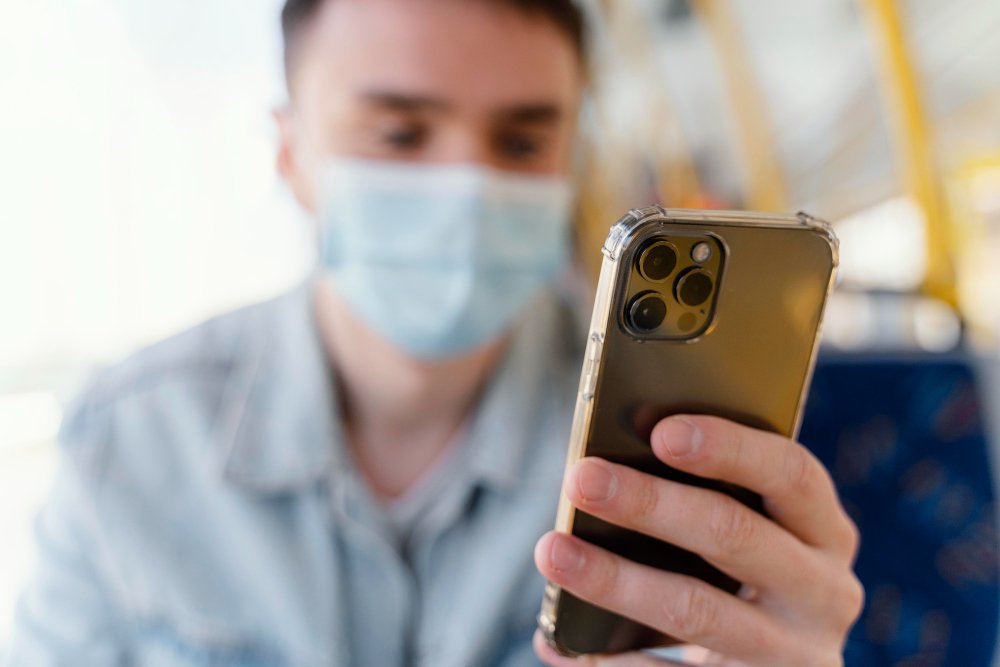
Face ID feels almost invisible when it works well. You lift your iPhone 17 Pro, glance at the screen, and it unlocks instantly – no effort, no delay. It’s one of those features you stop thinking about because it simply works.
Until one day, it doesn’t. A slight delay. A missed recognition. A second attempt is needed. That’s when a question quietly comes up – could your iphone 17 pro screen protector be affecting Face ID?
The honest answer: it can – but only under certain conditions.
How Face ID Actually Works
It is important to understand that Face ID is not merely a camera that captures your facial image. Instead, the technology involves the use of various sensors embedded in the upper front section of the device. These sensors capture and process depth data to generate a detailed map of your face.
For this purpose, the sensors must be visible, and there should be a proper transfer of light to them without any distortions. Even a thin layer – like an iPhone screen protector -can interfere if it’s not designed properly.
When Screen Protectors Start Causing Problems
Not every screen protector affects Face ID. But common, lower-quality ones sometimes do. Here’s how:
1. Poor Cutout Alignment
If the protector doesn’t align perfectly with the sensor area, it will block or distort the signal. The slightest inaccuracy may influence the speed of recognition.
2. Reduced Clarity Around Sensors
Not all protectors provide optical clarity across the entire glass surface. Distortion in the upper part will affect Face ID’s performance in detecting faces.
3. Accumulated Dust and Stains Near Sensors
Improper installation results in particles remaining near the sensors, interfering with Face ID’s ability to detect faces properly.
4. Too Thick or Uneven Protector
Unbalanced protector can negatively influence light detection, resulting in inconsistent Face ID.
These issues don’t always stop Face ID completely – but they make it less reliable.
Why Most Premium Protectors Don’t Have This Issue
Well-designed iphone 17 pro screen protector options are built with precision. They ensure proper spacing and alignment for sensors, high optical clarity across the entire surface and consistent thickness without distortion.
When these factors are handled correctly, Face ID works exactly as intended – smooth and instant. In fact, most users don’t even realise a good protector is there.
Installation Plays a Bigger Role Than You Think
Even the best glass can cause issues if installed poorly. If there’s dust, bubbles, or slight misalignment near the top portion of the screen, it can interfere with sensor performance. Common mistakes include not cleaning the screen thoroughly, repositioning the glass multiple times or applying it slightly off-centre.
A clean, precise installation ensures your iPhone Screen Protectors don’t interfere with Face ID.
Environmental Factors Add to the Confusion
Sometimes, Face ID issues are blamed on the screen protector – but the cause lies elsewhere. Things like very low lighting, wearing sunglasses or masks or changes in appearance (beard, hairstyle). These can also affect recognition accuracy.
So if Face ID feels inconsistent, it’s worth checking all variables – not just your iphone 17 pro screen protector.
Where RhinoTech Keeps the Experience Intact
This is where RhinoTech focuses on preserving the device’s original experience.
The RhinoTech Genuine Tempered Glass – Engineered by Corning™ is engineered with high optical clarity, ensuring the sensor area remains completely unobstructed. It doesn’t interfere with how Face ID reads depth and detail.
Its crystal-clear transparency ensures accurate light transmission, while its uniform thickness prevents distortion. This ensures that unlocking your phone feels exactly the same, whether or not the protector is on.
Besides all of that, it boasts 5x shock resistance, touch sensitivity, and smudge resistance thanks to the oleophobic coating. Its antimicrobial properties make it hygienic, and fog markings help verify its authenticity.
So, Does It Affect Face ID?
Yes – if the screen protector is poorly designed or installed.
No – if it’s built and applied correctly.
That’s the simple truth.
Final Thought
Face ID is built for precision. And your screen protector should respect that.
A well-made iPhone 17 Pro screen protector works quietly in the background, protecting your display without affecting how your phone responds to you. High-quality iPhone screen protectors are designed to complement the device, not compromise it.
Because the best protection is the one you never notice.