

How Commercial Tenant Improvement Contractors Shape Productive & Brand-Driven Workspaces
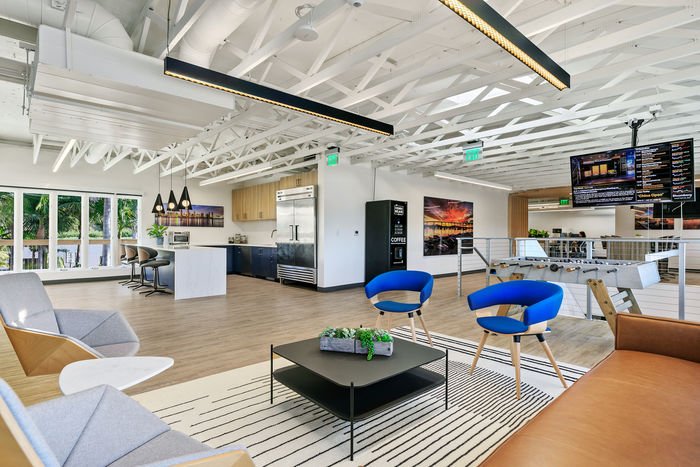
Walk into any busy commercial district today, and you’ll notice something interesting. Spaces don’t stay the same for long. A shop turns into a café. A blank office becomes a co-working hub. A tired lobby slowly transforms into something bright, modern, and far more welcoming.
Behind nearly all these changes is a business struggling to make its physical space align with the direction it wishes to take.
It’s easy to overlook, but the environment you operate in works almost like a silent partner. It influences how customers feel the moment they walk in, how employees move and perform, and how confidently a brand presents itself.
Companies are beginning to rely on familiar commercial tenant contractors to help write the next chapter of their workspace when the environment no longer fits the business.
Why So Many Businesses Invest in Tenant Improvements
Most companies don’t need a complete relocation. They just need their current space to work harder. According to a recent commercial design report, over 7 out of 10 businesses say their productivity rises after a well-executed tenant improvement, and retail studies show that customers spend up to 40 percent more time in thoughtfully designed stores.
Tenant improvements help with things like:
- Refreshing outdated interiors
- Adjusting layouts to support new workflows
- Fixing long-standing structural irritations
- Upgrading lighting, HVAC, and electrical systems
- Making a space more comfortable and brand-aligned
Instead of jumping to a new location, businesses often find that investing in tenant improvement services gives them more control and better long-term value.
What Commercial Tenant Improvement Contractors Actually Handle
A seasoned TI contractor does much more than remodel walls or install fixtures. Their role blends planning, coordination, technical execution, and design-backed guidance.
Thoughtful Space Planning
The initial step often consists of learning how a business functions. This includes the traffic throughout the space every day, where clients meet, where bottlenecks naturally occur, and which places seem underused.
Proper layout can increase usable space up to 15 to 20 percent by itself, especially when in an office where open collaboration will have to exist with privacy.
Inside Buildouts & Customization
The majority of the improvements belong to this category. It may encompass office reorganization, the creation of new conference rooms, adjustments to ceiling heights, installation of glass walls, lighting, feature wall reconfigurations, or updates to reception rooms.
Some of the common requests made by businesses include:
- Collaborative areas with ample light
- Private meeting rooms
- Display improvements in the retail
- Improved finishes and floors
- Break rooms and lounge areas
These improvements make the space look like a natural extension of the brand, rather than artificial or excessive.
a. Systems Upgrades (Electrical, Mechanical, Plumbing)
Older buildings often fail to support modern demands. A tech company might need more power. A restaurant may require specialized ventilation. A medical tenant may need plumbing; others may not.
Commercial general contractors specializing in tenant improvements bring everything up to code while preparing the space for long-term use.
b. Code Compliance & Permits
Local building rules can be complicated. A solid TI contractor handles the paperwork:
- Building permits
- Fire and safety codes
- ADA updates
- Scheduled inspections
This saves tenants from having to navigate confusing regulations on their own.
Industries That Benefit Most from Tenant Improvements
Offices
As workplace hybridization becomes the new reality, organizations are desiring a workspace that supports individual work, focus, and meeting rooms. Google searches for office tenant improvement contractors have taken a steady increase in the last two years.
Retail
Even small details like lighting placement and aisle width can influence how well a business sells. Improvement of retail tenants is often aimed at maximizing customer traffic, showcasing products, and revealing brands.
Restaurants
Restaurant TI work is highly specialized. It includes a commercial kitchen setup, multiple-sink plumbing, strong ventilation, fire safety systems, and high-quality hospitality finishes.
Healthcare
Medical offices require exam rooms, waiting rooms, hard-wearing materials, ADA standards, and certain mechanical systems.
Industrial Spaces
Warehouses and workshops usually need concrete reinforcement of the floor, enhanced loading areas, enriched electrical supply, and equipment-specific requirements.
How to Choose the Right TI Contractor
Picking the right contractor makes or breaks the project. Businesses usually look for a few key things.
Experience with Similar Projects
Someone who has only remodeled homes won’t necessarily understand the demands of a retail buildout or medical facility. Industry experience matters far more than general construction experience.
Clear & Transparent Bids
A reliable contractor provides detailed pricing, explains material choices, and clarifies timelines without hiding vague fees behind generalized descriptions.
Strong Project Management
Commercial gains result from the relocation of elements such as designers, electricians, inspectors, and suppliers. It is the contractor who has good management, avoiding delays, miscommunication, and unnecessary costs.
- Proper licensing and insurance
- This ensures the tenant and the landlord are involved in the construction process
- Portfolio and references
An honest contractor must have the ability to provide previous work and client responses without any reservations.
The True Value of Tenant Improvements
The question that is often raised by many business owners is whether tenant improvement is worth investing in. Financially speaking, the majority of studies respond yes:
- In an office layout that is well designed, the productivity rises by 17 percent
- Updated retail spaces encourage customers to stay longer
- The level of tenant satisfaction is raised, and the lease is renewed
- The efficiency in operation is enhanced, decreasing the expenses in the long run
Concisely, when a build-out is done thoughtfully, it does not merely clean up the appearance of a location but provides performance, branding, and expansion for the future.
The Bottom Line
Every business space narrates a story about the business it houses. When that story becomes dated or disillusioned with where the company is going, then changes will be necessary.
A typical leased building can become a well-functional, well-executed, and brand-authentic surrounding with the assistance of the appropriate commercial tenant improvement contractors.
Such upgrades contribute to the development of the businesses, their increased efficiency, and positive self-presentation. Tenant improvements are not just structural modifications; they encompass everything from branching an office to revamping a retail shop to designing a specialized business space. However, these are the tactical decisions that can either make or break the future of the business.
Your space should feel like it truly belongs to you, a place where your team works comfortably, your customers feel welcome, and your business can grow without limits.
If you’re looking to refresh, reshape, or completely reimagine your commercial space, brands like Arrant Construction can guide you through a smooth, supportive, and stress-free experience.
Frequently Asked Questions (FAQs)
- What are commercial tenant improvements?
They are upgrades or renovations made inside a leased commercial space to improve performance, comfort, and branding.
- Who usually pays for tenant improvements?
Some leases include a tenant improvement allowance. In other cases, tenants cover the costs themselves.
- How long do TI projects take?
Smaller upgrades may take a few weeks. Larger, more technical buildouts can stretch into several months.
- How are TI contractors different from general contractors?
TI contractors specialize in customizing leased interiors with minimal disruption, while general contractors handle broader, often structural projects.
- Do tenant improvements boost long-term value?
Yes. Better layouts, modern systems, and brand-focused design improve productivity, customer experience, and lease retention.