

How to Choose a Reliable Granite Exporter from India for Your Project
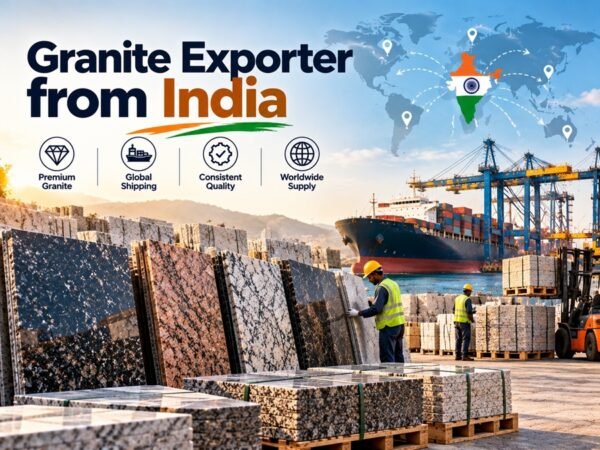
Quick answer: A reliable granite exporter from India should have ISO or CE certification, their own quarries or long-term supplier contracts, verifiable export history, and transparent pricing with no hidden costs. Always ask for a pre-shipment sample and check their packaging standards before signing a contract. This protects your project from delays, quality mismatches, and unexpected costs.
India exports more natural stone than almost any other country, and granite makes up a huge share of that trade. But not every supplier who claims to be a granite exporter from India actually owns a quarry, follows export compliance, or can deliver on time. If you’re sourcing granite for a hotel lobby, a kitchen countertop line, or a large commercial project, picking the wrong exporter can cost you months and thousands of dollars in rejected shipments.
This guide breaks down exactly what separates a trustworthy natural stone exporter from a risky one, what questions to ask before you pay a deposit, and which red flags most buyers miss until it’s too late.
Why Does India Dominate the Global Granite Export Market?
India’s granite belt runs through states like Andhra Pradesh, Karnataka, Rajasthan, and Tamil Nadu, giving the country access to some of the widest color variety in the world — from Black Galaxy and Kashmir White to Tan Brown and Steel Grey. This geological diversity, combined with decades of cutting and polishing expertise, is why stone export from India remains a go-to source for architects and contractors across the US, Europe, the Middle East, and Australia.
That said, abundance doesn’t equal reliability. The same market depth that gives buyers more choice also makes it easier for unverified traders to pose as manufacturers.
What Makes a Granite Exporter Genuinely Reliable?
A reliable exporter proves their legitimacy through documentation, not just a polished website. Here’s what actually matters:
Does the Exporter Own a Quarry or Processing Unit?
Exporters who own quarries control quality and pricing from the source. Traders who simply resell from multiple quarries often can’t guarantee consistent slab batches, which matters a lot for large orders where color and veining need to match across hundreds of slabs. Ask directly: “Do you own the quarry, or do you source from a third party?” A trustworthy exporter will answer this without hesitation.
Do They Hold Valid Certifications?
Look for these before negotiating price:
- ISO 9001 — quality management systems
- CE Marking — required for construction products sold in the EU
- IEC/RCMC Certificate — Indian export licensing, issued by the Council for Leather Exports or relevant Export Promotion Council depending on the product category
No certification doesn’t always mean no credibility, but it does mean you’re taking on more risk, especially for government or commercial contracts that require compliance paperwork.
Can They Show Export Experience?
Ask for:
- Past shipping records or bills of lading (company names can be redacted for confidentiality)
- Client references in your target country
- Years in business and typical order volumes handled
A supplier who has shipped containers to the US or UK for 10+ years understands customs documentation, packaging for ocean freight, and moisture control — details that matter more than they seem until a shipment arrives cracked or discolored.
What Should You Compare Before Signing a Contract?
|
Factor |
Reliable Exporter |
Risky Exporter |
|---|---|---|
|
Quarry ownership |
Owns or has long-term contracts |
Buys spot-market slabs with no consistency |
|
Certification |
ISO, CE, RCMC available on request |
No documentation or vague answers |
|
Sample policy |
Offers paid or free pre-shipment samples |
Refuses or delays sample requests |
|
Pricing |
Itemized FOB/CIF quote with no hidden fees |
Lump-sum quote with unclear terms |
|
Packaging |
Uses export-grade wooden crates, moisture barriers |
Generic packaging, no mention of ocean transit protection |
|
Communication |
Responds within 24-48 hours, speaks to specs directly |
Slow replies, generic marketing responses |
How Do You Verify Pricing and Avoid Hidden Costs?
Granite pricing from India is usually quoted as FOB (Free on Board) or CIF (Cost, Insurance, Freight). Choose FOB if your project already has a freight forwarder and you want more control over shipping costs. Choose CIF if you want the exporter to handle logistics end-to-end and prefer a single point of accountability.
Watch for these commonly hidden costs:
- Polishing and edge-finishing charges billed separately
- Customs clearance fees at the origin port
- Crating charges not included in the initial quote
- Currency conversion markups on international wire transfers
Ask for a line-item quote broken down by material cost, processing, packaging, and freight. A supplier who resists itemizing their pricing is usually hiding margin somewhere.
What Do Most Buyers Overlook When Choosing a Supplier?
Three things experienced importers check that first-time buyers often skip:
- Slab batch consistency testing. Order a small trial shipment before committing to a full container, even if it costs more per square foot. Natural stone varies by batch, and what looks perfect in a showroom sample can differ from what arrives in bulk.
- Moisture content certification. Granite with high residual moisture can develop surface staining after installation, especially in humid climates. Ask the exporter for a moisture test report, not just a visual quality check.
- Post-shipment support. Reliable exporters stay reachable after the container leaves the port. Ask how they handle damage claims or short shipments — their answer tells you a lot about how they’ll treat you after payment clears.
Making the Final Decision
Choosing a granite exporter from India comes down to verifiable proof, not promises. Request documentation, order a sample batch, and get pricing in writing before you commit to a full container. The exporters worth working with will welcome these questions because they have nothing to hide.
If you’re sourcing for a large commercial project, start with a shortlist of three to five exporters, run the same verification checklist against each, and compare their answers side by side. The supplier who answers every question clearly and quickly is usually the one who’ll deliver on time too.
Frequently Asked Questions
How much does granite cost when exported from India?
Prices typically range from $15 to $60 per square foot FOB, depending on the stone type, finish, and order volume. Rare colors like Black Galaxy or Blue Pearl sit at the higher end, while common varieties like Tan Brown or Steel Grey are more affordable.
How long does shipping take from India to the US or Europe?
Ocean freight typically takes 25-40 days to US ports and 15-25 days to European ports, depending on the shipping line and port of origin. Add 1-2 weeks for customs clearance and inland transport.
Is it risky to buy granite from India without visiting the quarry?
It’s manageable if you request third-party inspection reports, video verification calls, and a pre-shipment sample. Many importers never visit India in person and still source successfully by relying on documentation and trial orders.
What’s the difference between a granite exporter and a natural stone trading company?
A direct exporter typically owns or controls the quarry and processing unit, giving them more control over quality and pricing. A trading company resells from multiple sources, which can mean more variety but less consistency across large orders.
Can small businesses order granite directly from Indian exporters?
Yes. Many exporters accept smaller container loads (LCL) for businesses that don’t need a full container, though minimum order quantities and per-unit pricing vary by supplier.
Must Read: Open Patio vs Covered Patio – Find What’s Best for Your Lifestyle