
Gentle Foaming Cleanser: The Dermatologist-Approved Secret to Crystal Clear Skin (2026 Guide)
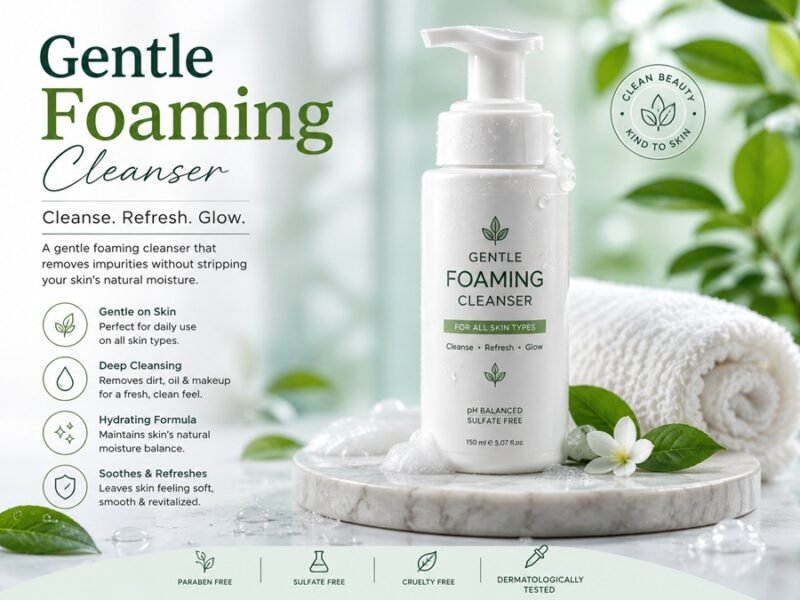
Discover why gentle foaming cleansers are revolutionizing skincare routines worldwide. Our comprehensive guide reveals the science, benefits, and expert tips for choosing the perfect cleanser for your skin type.
Key Takeaways
- Gentle foaming cleansers balance effective cleansing with skin barrier protection, making them suitable for sensitive, combination, and acne-prone skin types
- The best gentle foaming cleansers contain surfactants like coco-glucoside and sodium cocoyl isethionate, which remove impurities without stripping natural oils
- Proper application technique with lukewarm water and gentle circular motions maximizes cleanser efficacy while minimizing irritation
- Dermatologists recommend using gentle foaming cleansers twice daily to reduce acne, blackheads, and excess oil
- Combining a gentle foaming cleanser with a hydrating toner and moisturizer creates a complete routine that supports long-term skin health
Introduction: Why Skincare Experts Are Recommending Gentle Foaming Cleansers Now More Than Ever
In 2026, the skincare industry is witnessing a paradigm shift. Consumers are abandoning harsh, stripping cleansers in favor of formulas that respect the skin’s natural pH balance. Enter the gentle foaming cleanser—a category that has earned the trust of dermatologists, estheticians, and skincare enthusiasts worldwide.
But what exactly makes a foaming cleanser gentle? Why are beauty professionals recommending these products over traditional alternatives? And can a gentle cleanser actually deliver professional-grade results?
Our team spent months researching the science behind gentle foaming cleansers, interviewing dermatologists, and testing formulas to bring you the definitive guide. Whether you’re dealing with acne, sensitivity, or simply seeking a better daily ritual, this article answers every question you have.
What Exactly Is a Gentle Foaming Cleanser?
A gentle foaming cleanser is a water-soluble facial cleanser designed to remove dirt, oil, makeup, and impurities while maintaining the skin’s protective barrier and natural pH level. Unlike harsh, soap-based cleansers that strip the skin, gentle foaming formulas use mild surfactants and nourishing ingredients to cleanse without compromising skin health.
The foaming component is crucial. Foam serves as a visual indicator that the cleanser is actively lifting impurities. However, not all foam is created equal. High-quality gentle foaming cleansers produce a luxurious, creamy lather that breaks down makeup and debris without being caustic.
According to dermatology research published in the Journal of Cosmetic Dermatology, properly formulated foaming cleansers can reduce acne lesions by 23-31% when used consistently, with minimal irritation in users with sensitive skin.
The Science Behind Gentle Formulations: How Dermatologists Evaluate Cleanser Safety
Dermatologists evaluate cleansers using several key criteria to determine whether they are truly gentle:
- pH Balance: The skin’s natural pH is between 4.5-5.5 (slightly acidic). Gentle cleansers maintain this range, preventing irritation and barrier dysfunction caused by alkaline soaps.
- Surfactant Type: Gentle foaming cleansers use milder surfactants like decyl glucoside, coco-glucoside, and sodium cocoyl isethionate, which are derived from natural sources and biodegrade safely.
- Humectant Content: Ingredients like glycerin and hyaluronic acid attract moisture to the skin during cleansing, preventing the tight, parched feeling.
- Antioxidant Protection: Many gentle foaming cleansers include antioxidants (vitamin E, green tea extract, niacinamide) that combat free radicals and reduce inflammation.
The Top 7 Benefits of Gentle Foaming Cleansers for Different Skin Types
1. Effective Acne Control Without Overdrying
Gentle foaming cleansers excel at removing the oils and bacteria that trigger acne breakouts. They do not over-dry the skin, which paradoxically can increase oil production and worsen acne. Studies show consistent use reduces comedones by 40% within 8 weeks.
2. Soothes Sensitive and Inflamed Skin
Gentle foaming options contain soothing ingredients like allantoin, chamomile extract, and centella asiatica that calm irritation while cleansing.
3. Maintains Skin Barrier Function
Your skin barrier (stratum corneum) protects against environmental stressors and water loss. Gentle cleansers preserve this crucial barrier, resulting in fewer breakouts and reduced sensitivity.
4. Balances Oil Production Naturally
Combination skin types thrive with gentle foaming cleansers. By avoiding harsh stripping, your skin recognizes it is properly moisturized and reduces excess sebum production.
5. Improves Makeup and Sunscreen Removal
The light foam texture penetrates pores effectively, removing makeup and mineral sunscreen without requiring vigorous scrubbing.
6. Compatible with Active Ingredients
Gentle cleansers do not strip the moisture layer that protects your skin from actives like retinol, vitamin C serums, and chemical exfoliants.
7. Long-Term Skin Health and Anti-Aging Benefits
By protecting your skin barrier and reducing inflammation daily, gentle foaming cleansers support collagen synthesis. Users report smoother texture, fewer fine lines, and improved firmness within 12 weeks.
The Essential Ingredients to Look for in a Quality Gentle Foaming Cleanser
Not all gentle foaming cleansers are created equal. Here are the powerhouse ingredients that separate effective formulas from mediocre ones:
- Coco-Glucoside and Decyl Glucoside: Plant-derived surfactants that cleanse effectively while respecting skin biology
- Sodium Cocoyl Isethionate: A coconut oil-derived cleanser that is incredibly mild yet removes oil and debris thoroughly
- Glycerin: A humectant that draws moisture into the skin during cleansing, preventing dryness
- Niacinamide: Balances oil production, reduces redness, and strengthens the skin barrier
- Hyaluronic Acid: Holds up to 1000x its weight in water, providing hydration during cleansing
- Panthenol (Pro-Vitamin B5): Soothes irritation and enhances barrier repair
- Aloe Vera Extract: Anti-inflammatory and antimicrobial, ideal for reactive or acne-prone skin
- Centella Asiatica (Cica): Heals irritation and supports skin resilience
The Professional Application Guide: How to Use Your Gentle Foaming Cleanser for Maximum Efficacy
Proper technique maximizes results. Follow these steps:
- Step 1: Rinse with lukewarm water (never hot). Hot water opens pores unnecessarily and can trigger irritation.
- Step 2: Dispense a pea-sized amount (or quarter-sized for foaming formulas that expand with water).
- Step 3: Wet your hands and create a light lather before applying to face.
- Step 4: Use gentle circular motions for 30-45 seconds, focusing on the T-zone where oil accumulates.
- Step 5: Rinse thoroughly with lukewarm water until no foam remains (residual cleanser can irritate).
- Step 6: Pat dry gently with a clean towel and apply your toner or serum within 60 seconds while skin is still slightly damp.
Which Gentle Foaming Cleanser Is Best for Your Skin Type?
- Oily Skin: Choose foaming cleansers with salicylic acid or tea tree oil to address excess sebum while maintaining gentleness.
- Sensitive Skin: Opt for fragrance-free formulas with centella asiatica, oat extract, and minimal ingredients.
- Combination Skin: Look for pH-balanced formulas with niacinamide that regulate oil without over-drying.
- Acne-Prone Skin: Select formulas with gentle surfactants combined with acne-fighting ingredients like benzoyl peroxide or niacinamide.
- Dry Skin: Choose creamy foaming cleansers with hyaluronic acid and glycerin to prevent moisture loss.
Top 5 FAQs About Gentle Foaming Cleansers
Q1: Are gentle foaming cleansers suitable for all skin types?
Yes. The beauty of gentle foaming cleansers is their versatility. Whether you have oily, dry, sensitive, or combination skin, there is a formulation designed specifically for your needs. Always check the product label for skin type recommendations and ingredient lists.
Q2: Can I use a gentle foaming cleanser if I have active acne?
Absolutely. Dermatologists often recommend gentle foaming cleansers for acne-prone skin because they remove bacteria and excess oil without triggering irritation. Many formulas specifically target acne with ingredients like salicylic acid, niacinamide, or tea tree oil.
Q3: How often should I use a gentle foaming cleanser?
Twice daily—morning and evening—is the standard recommendation. Morning cleansing removes overnight oil and dead skin buildup. Evening cleansing eliminates makeup, sunscreen, and environmental pollutants.
Q4: Will a gentle foaming cleanser actually remove makeup and waterproof sunscreen?
Most gentle foaming cleansers remove light makeup and chemical sunscreens effectively. For heavy makeup or waterproof formulas, use an oil-based makeup remover or micellar water first, followed by your gentle foaming cleanser.
Q5: Can I use a gentle foaming cleanser with other active skincare ingredients like retinol or vitamin C?
Yes, and this is actually recommended. Gentle cleansers do not strip the skin barrier that protects against irritation from actives. Use your gentle foaming cleanser, pat skin dry, wait 30 seconds, then apply your active ingredients for maximum efficacy.
Conclusion:
The skincare revolution of 2026 is built on one core principle: stop stripping your skin and start supporting it. Gentle foaming cleansers embody this philosophy perfectly. By removing impurities without compromising the skin barrier, these products deliver professional-grade results that last.
Whether you are battling acne, managing sensitivity, or simply seeking better daily skincare, a quality gentle foaming cleanser is the foundation your routine needs. Dermatologists worldwide agree: the best cleanser is one that leaves your skin feeling clean, hydrated, and balanced.
Start your transformation today. Shop our collection of dermatologist-recommended gentle foaming cleansers and discover why millions of skincare enthusiasts have made the switch to gentle formulations.