

What are the Different Types of Pharmaceutical Packaging Machines?
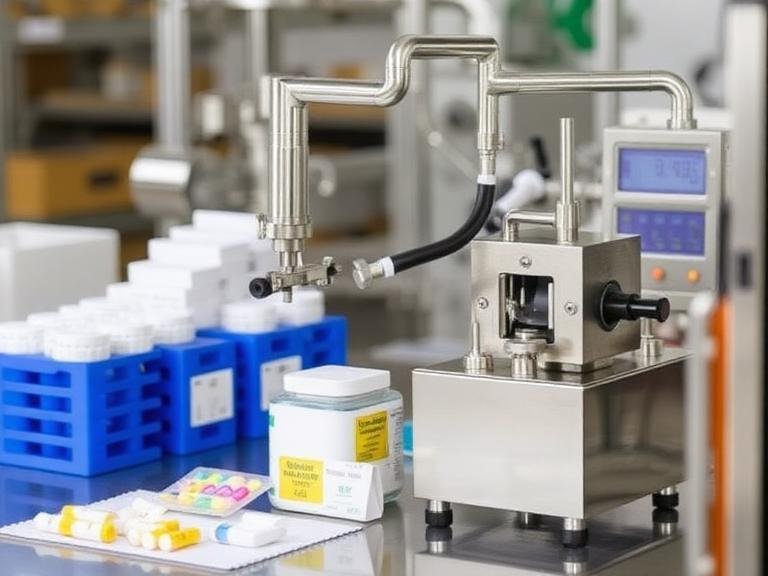
The pharmaceutical industry operates under some of the most stringent regulations in the global market. Every tablet, liquid dose, or cream must be protected from contamination, moisture, and light to ensure patient safety. To achieve this, manufacturers must rely on highly specialized equipment. Investing in a reliable pharmaceutical packaging machine is not just about efficiency; it is a critical step in maintaining the chemical integrity and shelf life of life-saving medications. Understanding the various types of equipment available is essential for any facility looking to scale production while remaining compliant with international health standards.
The Three Levels of Pharmaceutical Packaging
Before diving into specific machine types, it is important to categorize them by the level of packaging they provide. Packaging is generally divided into three stages:
-
Primary Packaging: This is the first layer of protection. The material comes into direct contact with the medication. Examples include blister packs, sachets, and vials.
-
Secondary Packaging: This level groups the primary packages together. It usually includes the cardboard boxes or cartons that hold a blister strip or a bottle, along with the patient information leaflet.
-
Tertiary Packaging: This involves the bulk handling of products for shipping and distribution. This includes palletizing and shrink-wrapping large quantities for transport.
Common Types of Primary Pharmaceutical Packaging Machines
Primary packaging is the most sensitive stage of the process. The machines used here must meet strict sanitary standards, such as GMP (Good Manufacturing Practice) requirements.
1. Blister Packaging Machines
Blister packaging is perhaps the most recognizable format for tablets and capsules. These machines create a cavity in a plastic or aluminum sheet, fill it with the product, and then seal it with a lidding material. This format provides excellent protection against external factors and allows for easy portion control for the patient.
2. Sachet and Stick Pack Machines
For powders, granules, or single-dose liquids, sachet packaging is a highly effective solution. These machines form a pouch from a roll of film, fill it with a precise dose, and seal all sides. Stick packs are a narrower version of this, often used for travel-friendly powders or liquid supplements.
3. Bottle Filling and Capping Lines
Liquid medications, such as syrups and suspensions, require specialized filling lines. These machines use high-precision pumps to ensure each bottle contains the exact volume required. After filling, the bottles move to a capping machine that applies child-resistant or tamper-evident seals to ensure safety.
4. Tube Filling Machines
Ointments, creams, and gels are typically packaged in collapsible tubes. A tube filler takes empty tubes, fills them from the bottom to prevent air pockets, and then seals the end using heat or ultrasonic waves.
Secondary and Tertiary Packaging Equipment
Once the product is safely inside its primary container, it moves to the secondary and tertiary stages. While these machines do not touch the medication, they are vital for branding and logistics.
-
Cartoning Machines: These machines automatically fold cardboard boxes, insert the primary package (like a vial or blister strip) along with the printed instructions, and seal the flaps.
-
Labelling Machines: Precision is key here. These machines apply adhesive labels to bottles, vials, or boxes, ensuring that barcodes and batch numbers are perfectly aligned for tracking.
-
Case Packers: For large-scale distribution, case packers collect finished cartons and place them into larger shipping boxes, preparing them for the final stage of the supply chain.
Key Features to Look for in Pharma Equipment
When selecting a pharmaceutical packaging machine, there are several technical features that can make or break your production line.
1. Material Compatibility
The machine must be able to handle various films, foils, and plastics without damaging them. For example, some medications require specialized aluminum-aluminum foil packs to block 100 percent of light and moisture.
2. Accuracy and Dosing Precision
In the medical world, a slight deviation in dosage can be dangerous. High-end machines utilize load cells and volumetric fillers that offer extreme precision, often with a margin of error of less than one percent.
3. Ease of Cleaning and Sterilization
To prevent cross-contamination between different batches of medicine, the equipment must be easy to strip down and clean. Stainless steel construction (typically Grade 316) is the standard for contact parts because it resists corrosion and is easy to sanitize.
The Shift Toward Advanced Automation
The pharmaceutical industry is moving away from manual labor to reduce the risk of human error. The most modern facilities are now integrating a fully automatic packaging machine into their workflow. These automated systems can handle everything from feeding the raw materials to the final inspection of the sealed package.
Using an automatic packaging machine provides a level of consistency that is impossible to achieve by hand. These machines are often equipped with advanced vision systems. These cameras scan every single pack for defects, such as a missing pill in a blister or a blurry expiration date on a label. If a defect is found, the machine automatically rejects that specific unit without stopping the rest of the production line.
Furthermore, automation allows for better data logging. Modern systems can track exactly when a batch was produced, which operator was on duty, and what the room temperature was during the sealing process. This “track and trace” capability is essential for meeting regulatory requirements and managing potential product recalls efficiently.
Maintaining Your Pharmaceutical Equipment
To ensure your machinery lasts for years, a proactive maintenance schedule is necessary. Regular calibration of heat seals and dosing pumps prevents small issues from becoming expensive downtime events. Most manufacturers recommend a daily cleaning routine and a deeper technical inspection every few months to replace wear-and-tear parts like gaskets and cutting blades.
Conclusion
Choosing the right type of packaging equipment is a balance between product requirements, budget, and regulatory standards. Whether you are using a specialized pharmaceutical packaging machine for blister strips or a high-speed automatic packaging machine for secondary cartoning, the goal remains the same: protecting the patient. By understanding the different types of machines available, manufacturers can build a robust production line that ensures quality and safety at every turn.
Frequently Asked Questions (FAQs)
What is the difference between a blister machine and a sachet machine?
A blister machine creates a rigid or semi-rigid cavity (usually for pills), whereas a sachet machine creates a flexible pouch (usually for powders or liquids). Blister packs are generally better for individual dose protection, while sachets are more cost-effective for bulk sampling.
Why is stainless steel used in pharmaceutical packaging machines?
Stainless steel, especially 316L grade, is non-reactive and highly resistant to corrosion. This is vital in pharma because the machines are frequently cleaned with harsh chemicals to ensure complete sterilization between product batches.
Can one machine handle different sizes of bottles or packs?
Most modern machines are designed with “changeover” capabilities. By replacing a few specific parts (known as change parts), a single machine can be adjusted to handle different bottle heights, widths, or sachet lengths.
How does an automatic packaging machine improve safety?
Automation reduces human contact with the product, which significantly lowers the risk of microbial contamination. Additionally, automated sensors can detect micro-leaks or seal failures that the human eye might miss, ensuring only perfect products reach the consumer.
What is “Track and Trace” in pharma packaging?
Track and trace refers to the ability to follow a drug through the entire supply chain. Packaging machines contribute to this by printing unique serial numbers and 2D barcodes on each individual pack, which can be scanned at every stage of distribution.