UV Masterbatch Explained: What Every Compound Manufacturer Wants You to Know
Plastic products left outdoors don’t last forever — unless they’re protected. UV radiation breaks down polymer chains, causing yellowing, brittleness, and eventual failure. That’s why UV Masterbatch exists. As a compound manufacturer or a buyer working with one, understanding UV protection will save you from costly product failures and warranty claims. Here’s what you need to know.
What Is UV Masterbatch?
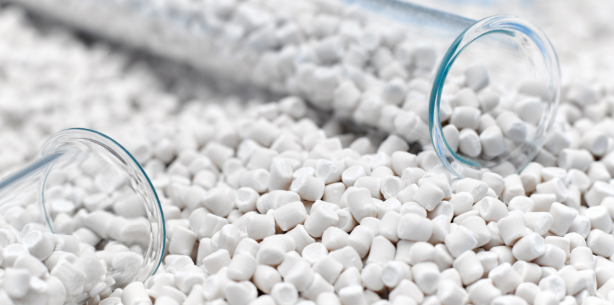
UV masterbatch is a concentrated blend of UV stabilizers—primarily UV absorbers and hindered amine light stabilizers (HALS)—dispersed in a polymer carrier. When added to plastic during compounding or molding, it provides long-term protection against UV-induced degradation.
Without UV protection, plastics like PP, PE, and ABS can:
- Lose tensile strength within months of outdoor exposure
- Develop surface cracks and chalking
- Fade significantly in color
- Become brittle and fail mechanically
With UV Masterbatch, the same products can last 5, 10, or even 25 years outdoors depending on the formulation.
How UV Masterbatch Works
UV Absorbers
These compounds absorb UV radiation and convert it into harmless heat energy. Common types include benzophenones, benzotriazoles, and triazines.
HALS (Hindered Amine Light Stabilizers)
HALS don’t absorb UV directly. Instead, they scavenge free radicals produced when UV hits the polymer. They’re catalytic — meaning they regenerate and keep working. HALS are the most effective long-term UV stabilizers available today.
What to Look for in a Compound Manufacturer for UV Masterbatch
Formulation Knowledge
UV protection is science, not guesswork. A compound manufacturer who truly understands UV degradation mechanisms will give you the right formulation — not a generic one.
Accelerated Weathering Test Data
Reputable suppliers test their masterbatch using accelerated weathering chambers (UV-CON or xenon arc tests per ASTM G154 or ISO 4892). Ask for these test reports before buying.
Resin-Specific Grades
Different polymers need different UV stabilization strategies. A good compound manufacturer offers masterbatch specifically optimized for PP, PE, PVC, ABS, or other resins.
Tips for Getting the Best UV Protection
- Match the UV masterbatch to the base polymer — don’t use a PP-grade masterbatch in polyethylene
- Consider the climate — tropical climates require more robust formulations than temperate regions
- Don’t underload — using less masterbatch to save cost will cost you much more in field failures
- Combine with carbon black for maximum outdoor life — in non-decorative applications, carbon black + HALS is the gold standard
- Test before scaling — always run accelerated weathering trials before committing to full production volumes
Common Mistakes with UV Masterbatch
- Relying on color masterbatch for UV protection. Color masterbatch and UV masterbatch are different products.
- Using the wrong let-down ratio. Under-concentration means inadequate protection.
- Ignoring heat stabilization. Processing at high temperatures without proper heat stabilizers can destroy UV additives.
- Not considering total system compatibility. UV stabilizers can interact with flame retardants or antioxidants.
UV Masterbatch is one of the most important performance additives in the plastics industry. Getting it right means longer-lasting products, fewer warranty claims, and happier customers. Work with a knowledgeable compound manufacturer who can guide you to the right UV protection system for your specific polymer, application, and climate.
Talk to a trusted compound manufacturer today and protect your plastic products with the right masterbatch formulation.
UV Masterbatch Applications by Industry
| Application | Required UV Life | Preferred Stabilizer System |
| Agricultural films | 1–3 seasons | HALS + UV absorber blend |
| Outdoor furniture | 5–10 years | High-performance HALS |
| Automotive exterior parts | 10–15 years | Triazine + HALS combination |
| Geomembranes | 20–50 years | Heavily loaded HALS systems |
| Construction profiles | 10–20 years | UV absorber + HALS |
| Irrigation pipes | 3–10 years | Carbon black or HALS-based |
Frequently Asked Questions (FAQs)
Q1: What is UV Masterbatch and how does it work?
UV Masterbatch contains UV absorbers and HALS that protect plastics from UV radiation. UV absorbers convert light energy to heat; HALS neutralize free radicals that cause polymer degradation.
Q2: Which plastics benefit most from UV Masterbatch?
PP, PE, and ABS are most vulnerable to UV degradation. All outdoor-use plastics benefit, but these three need UV protection most urgently.
Q3: How do I know how much UV Masterbatch to add?
Follow the compound manufacturer’s recommended let-down ratio, typically 1–5% depending on the stabilizer loading and application requirements.
Q4: Can UV Masterbatch be combined with color masterbatch?
Yes, but compatibility should be verified. Some organic pigments in color masterbatches can react with UV stabilizers. Consult your compound manufacturer.
Q5: What’s the difference between UV absorbers and HALS?
UV absorbers block radiation at the surface; HALS work inside the polymer matrix to neutralize free radicals. For long-term protection, both are often used together.
Q6: How is UV Masterbatch tested for effectiveness?
Using accelerated weathering chambers that simulate years of sunlight exposure in days or weeks. ASTM G154 (UV-CON) and ISO 4892 (Xenon arc) are common standards.
Q7: Is UV Masterbatch safe for agricultural film applications?
Yes, if the formulation uses food-safe and environmentally compliant stabilizers. Always ask your compound manufacturer for regulatory compliance documentation.
Q8: How long can UV Masterbatch protect a plastic product?
Depending on the formulation and application, anywhere from 1–2 years for agricultural films to 20+ years for geomembranes and infrastructure applications.