

SMART Turbidity Monitor for Accurate Water Quality Control
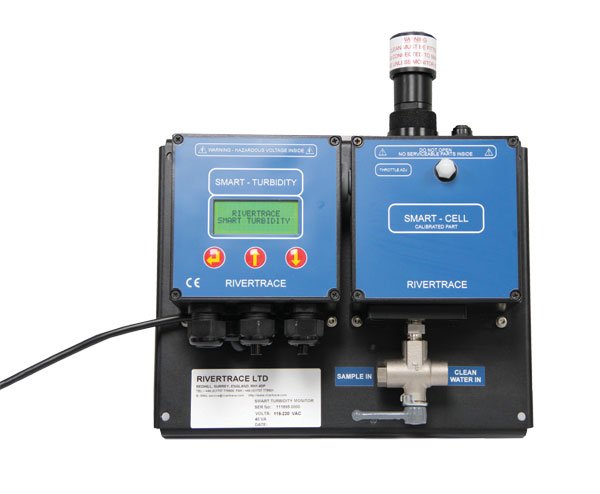
Water quality plays a critical role in environmental protection, industrial operations, and public health. One of the key indicators of water quality is turbidity, which measures the clarity or cloudiness of water caused by suspended particles. Monitoring turbidity is essential in a wide range of applications, from wastewater treatment to marine operations. This is where the SMART TURBIDITY – Turbidity Monitor proves to be an indispensable solution.
Designed with advanced sensing technology and user-friendly features, the SMART TURBIDITY monitor provides accurate, real-time measurement of turbidity levels. It helps industries maintain compliance with environmental regulations while ensuring efficient and reliable operations.
Understanding Turbidity and Its Importance
Turbidity refers to the presence of suspended particles in water, such as silt, algae, organic matter, and industrial waste. These particles scatter light, making the water appear cloudy or opaque.
High turbidity levels can indicate:
- Pollution or contamination
- Ineffective filtration systems
- Presence of harmful microorganisms
- Environmental disturbances
Monitoring turbidity is important because it directly impacts:
- Drinking water safety
- Industrial process efficiency
- Aquatic ecosystem health
- Regulatory compliance
Maintaining optimal turbidity levels ensures clean, safe, and sustainable water systems.
What is SMART TURBIDITY | Turbidity Monitor?
The SMART TURBIDITY monitor is an advanced device designed to measure the turbidity of water continuously. It uses optical sensors to detect the amount of light scattered by suspended particles, providing precise readings of water clarity.
This monitor is widely used in:
- Wastewater treatment plants
- Drinking water facilities
- Marine and offshore operations
- Industrial processing units
- Environmental monitoring stations
Its ability to deliver real-time data makes it a valuable tool for maintaining water quality and operational efficiency.
Key Features of SMART TURBIDITY Monitor
1. High-Precision Optical Sensors
The SMART TURBIDITY monitor uses advanced optical technology to ensure accurate and consistent turbidity measurements.
2. Real-Time Monitoring
Continuous data collection allows operators to track changes in water quality instantly.
3. Wide Measurement Range
The device can measure turbidity across a broad range, making it suitable for various applications.
4. User-Friendly Interface
An intuitive display and control system make it easy to operate and interpret data.
5. Alarm and Alert System
The monitor can trigger alerts when turbidity levels exceed predefined thresholds, enabling quick corrective action.
6. Durable and Robust Design
Built for harsh environments, the SMART TURBIDITY monitor is resistant to moisture, temperature variations, and physical stress.
How SMART TURBIDITY Works
The SMART TURBIDITY monitor operates using nephelometric principles, which involve measuring the scattering of light by particles in water.
Here’s how it works:
- A light source emits a beam into the water sample
- Suspended particles scatter the light in different directions
- Sensors detect the scattered light at specific angles
- The device calculates turbidity based on the intensity of scattered light
- Results are displayed in standard units such as NTU (Nephelometric Turbidity Units)
This method ensures high accuracy and reliability in turbidity measurement.
Applications of SMART TURBIDITY Monitor
Wastewater Treatment
Turbidity monitoring is essential in wastewater treatment processes to ensure that discharged water meets environmental standards. The SMART TURBIDITY monitor helps maintain effective filtration and treatment.
Drinking Water Facilities
In potable water systems, turbidity must be kept at very low levels. The monitor ensures safe and clean drinking water by detecting any increase in particle concentration.
Marine and Offshore Operations
Marine environments often experience fluctuations in water clarity. The SMART TURBIDITY monitor helps track these changes and maintain compliance with environmental regulations.
Industrial Processes
Many industries rely on clean water for production. The monitor ensures that water used in processes meets required quality standards.
Environmental Monitoring
Government agencies and environmental organizations use turbidity monitors to assess water quality in rivers, lakes, and oceans.
Benefits of Using SMART TURBIDITY Monitor
Improved Water Quality
Accurate monitoring ensures that water remains clean and safe for its intended use.
Regulatory Compliance
The monitor helps organizations meet strict environmental and safety standards.
Cost Efficiency
Early detection of turbidity issues reduces treatment costs and prevents system failures.
Operational Efficiency
Real-time data allows for quick adjustments, improving overall system performance.
Environmental Protection
By maintaining proper turbidity levels, the monitor helps protect aquatic ecosystems.
SMART TURBIDITY vs Traditional Monitoring Methods
| Feature | Traditional Methods | SMART TURBIDITY |
| Monitoring | Manual/Periodic | Continuous |
| Accuracy | Moderate | High |
| Response Time | Delayed | Immediate |
| Data Availability | Limited | Real-time |
| Maintenance Approach | Reactive | Proactive |
The SMART TURBIDITY monitor provides a more advanced and reliable approach compared to traditional methods.
Installation and Setup
The SMART TURBIDITY monitor is designed for easy installation and integration. The process typically includes:
- Selecting an appropriate installation point
- Mounting the sensor in the water flow system
- Connecting to a control panel or monitoring system
- Configuring measurement and alarm settings
Proper setup ensures accurate readings and optimal performance.
Maintenance and Best Practices
To maintain accuracy and reliability, regular maintenance is essential:
- Clean sensors to prevent fouling
- Calibrate the device periodically
- Inspect components for wear and damage
- Ensure proper alignment of optical sensors
Following these practices helps extend the lifespan of the monitor and ensures consistent performance.
Challenges in Turbidity Monitoring
Despite its advanced design, certain challenges may affect turbidity measurement:
- Presence of air bubbles or foam
- Variations in particle size and composition
- Extreme environmental conditions
However, the SMART TURBIDITY monitor is engineered to minimize these effects and deliver reliable results.
Future of Turbidity Monitoring Technology
The future of turbidity monitoring is driven by innovation and digital transformation. Emerging trends include:
- Integration with IoT systems for remote monitoring
- AI-based analytics for predictive maintenance
- Enhanced sensor sensitivity and durability
- Cloud-based data storage and analysis
These advancements will further improve the efficiency and effectiveness of water quality monitoring systems.
Conclusion
The SMART TURBIDITY – Turbidity Monitor from Rivertrace is a powerful and reliable solution for measuring water clarity across various applications. Its advanced features, real-time monitoring capabilities, and ease of use make it an essential tool for industries and environmental management.
.