
Should You Rely on GST Rate Insights from a GST Calculator Today?
The Goods and Services Tax (GST) has profoundly reshaped the taxation system in numerous countries, including India. Introduced to create a unified tax structure, GST has brought various benefits like tax transparency, elimination of cascading taxes, and simplification of taxation compliance. However, navigating the complex lattice of GST rates and their application across different sectors can be daunting for businesses and individuals alike.
To alleviate this challenge, GST calculators have emerged as a convenient tool for estimating tax liabilities. But the question remains: should you rely on GST rate insights from a GST calculator today? Let’s delve into the intricacies to help you understand when—if ever—you should depend on these calculators for GST-related decisions.
Understanding GST Rates
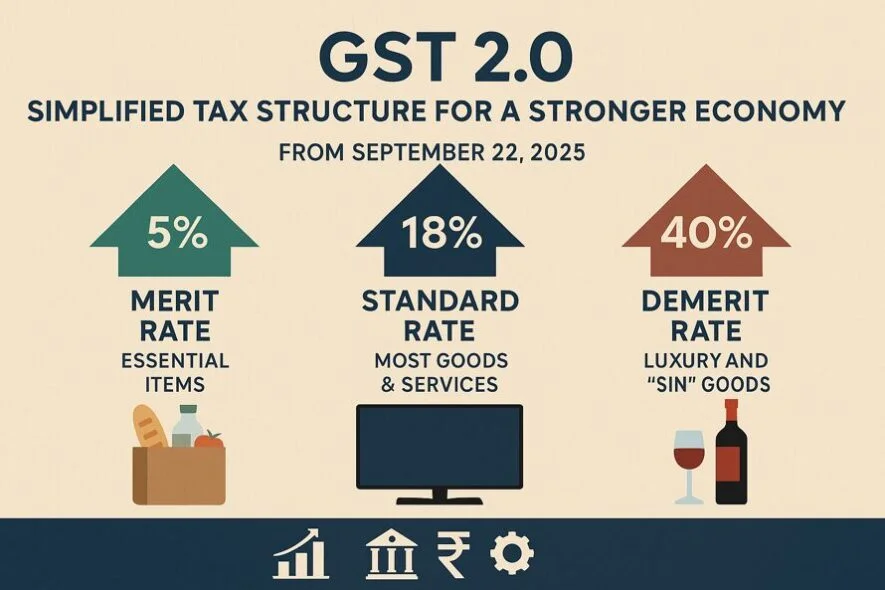
The term “GST rate” refers to the percentage of tax applied to the supply of goods and services. In many countries that implement GST (India being one example), these rates vary according to the type of goods or services. Common brackets include:
- Zero-Rated GST Goods: Essential goods and services such as agricultural products often fall under the 0% rate.
- Lower GST Rates: Typically applied to basic consumer goods.
- Standard Rates: Applied to the majority of goods and services, varying between 5%, 12%, 18%, and 28% in India.
- Luxury and Sin Goods: Higher rates apply to items deemed non-essential or harmful, such as tobacco, luxury cars, and alcohol.
Determining the correct GST rate for a specific category of goods or services requires expertise, as even slight errors can lead to compliance issues, penalties, or tax audits. This complexity underscores the growing reliance on GST calculators to simplify the process of determining the applicable rates and tax on goods and services.
What Is a GST Calculator?
A GST calculator is an automated tool designed to assist taxpayers in calculating GST liabilities accurately. It simplifies the complex process of understanding GST rates and adhering to regulations, offering estimates based on pre-defined formulas. Users input specific details—such as income, GST rate category, or invoice amount—and the calculator provides results within seconds.
GST calculators are widely accessible online, often embedded into websites and mobile applications for easy use. They’ve become indispensable for businesses, freelancers, and everyday consumers who wish to get quick insights into their tax obligations. However, the question arises: is this reliance on GST calculators as accurate and dependable as it seems?
Benefits of GST Calculators in Determining GST Rates
A GST calculator offers several advantages to individuals and businesses dealing with tax compliance:
- Simplified Calculation Process
Calculating GST manually can be time-consuming and prone to human error, especially when dealing with multi-tier GST rates. A GST calculator streamlines the process, allowing users to input basic data like item price and tax rate to quickly receive their tax liability. This simplification is particularly useful for small businesses that may not have dedicated tax professionals on their payroll.
- Time Efficiency
Time comes at a premium, especially for businesses dealing with invoices, multiple vendors, and rapidly changing tax slabs. A GST calculator saves time by instantly providing clear and precise results. This allows individuals and companies to focus more on strategic aspects of their business, leaving tax computation to an automated tool.
- Ease of Use for Non-Technical Users
GST calculators are designed with user-friendly interfaces, requiring minimal technical knowledge. Small business owners or freelancers with limited financial expertise often find GST calculators as accessible alternatives to hiring accounting services.
- Transparency in Tax Compliance
The GST system relies on correct taxation at different levels of production and distribution. GST calculators ensure that users are aware of their compliance requirements by breaking down tax calculations into digestible portions. It fosters transparency, leaving no room for ambiguities.
- Cost Efficiency
While hiring an accountant or tax consultant can yield accurate results, these services come at a cost that some businesses or individuals find prohibitive. A GST calculator, however, is often available freely on various platforms, delivering similar results without additional financial burdens.
Concerns Surrounding GST Calculator Reliance
Despite the benefits, relying solely on a GST calculator for GST rate insights can have its challenges. Here’s why you might want to tread cautiously:
- Dynamic GST Rates
GST rates are often subject to change, depending on government policies and advisory council meetings. For instance, in India, the GST council periodically updates the rates based on economic conditions or policy objectives. If a GST calculator uses outdated information, it may lead users to apply incorrect GST rates, resulting in errors in tax filing.
- Accuracy Concerns
While most GST calculators are designed to be accurate, some may not consider specific exemptions, different states’ tax nuances, or additional cess charges. A GST calculator can only automate the input-output process—its effectiveness hinges on the accuracy of the underlying algorithms and data.
- Complexities of Input Tax Credit (ITC)
GST allows taxpayers to claim Input Tax Credits for taxes paid on goods and services used in their business. However, ITC calculations can often be complex, requiring consideration of multiple factors. Most GST calculators cannot effectively handle intricate ITC scenarios, leaving taxpayers to complete significant portions manually.
- Categorization Errors
Correctly categorizing goods and services under different GST rate slabs is crucial for accurate tax calculation. GST calculators may not offer detailed information on whether a particular product or service falls under the right category, particularly for unusual purchases. This puts the onus on the user to verify the categorization separately.
- Technology Dependencies
GST calculators rely entirely on the data and coding fed into them. Any bugs, outdated data, or errors in the algorithm could lead to incorrect calculations. Over-reliance on such tools without cross-verifying inputs can leave users vulnerable to mistakes.
- Limited Contextual Understanding
A GST calculator is simply a tool—it cannot offer personalized advice, exemptions, or strategic recommendations. It won’t analyze the broader context of a taxpayer’s financial situation, rendering it less reliable for comprehensive tax planning.
Best Practices for Using GST Calculators
While GST calculators provide valuable assistance, over-reliance on these tools may not be the best approach. Here are some best practices to adopt when using GST calculators to determine GST rates:
- Cross-Verify GST Rates from Government Resources
The GST council’s official notifications and updates are the most reliable source for current GST rates. Cross-check rates provided by GST calculators against trusted government websites or professional advice to ensure accuracy.
- Use Updated Calculators
Ensure that the GST calculator you use is updated and linked with real-time GST rate changes. Many websites regularly refresh their tools to reflect the latest tax policies.
- Understand Tax Categories
Spend time understanding which category your goods or services fall under. This will help you verify that the GST calculator’s results align with actual tax obligations.
- Pair Automation with Professional Advice
GST calculators can automate tedious calculations, but balancing them with tax consultant advice can eliminate blind spots. A professional can help clarify legal questions, complex ITC rules, and exemptions, ensuring a holistic approach to compliance.
- Prefer Reputable Platforms
Not all GST calculators offer the same level of reliability. Use calculators hosted by reputable platforms, such as those developed by accounting firms, government portals, or long-standing FinTech companies.
- Familiarize Yourself with ITC Rules
If you’re eligible for Input Tax Credits, ensure that results from GST calculators are adjusted accordingly, and don’t overestimate or underestimate financial benefits. Combining manual reviews with automated results can offer better insights.
Conclusion:
The answer is nuanced. GST calculators are undeniably efficient and accessible tools for determining GST liabilities. However, their reliability hinges on updated algorithms, accurate data, and user understanding of GST regulations. While they simplify a complicated process, blanket reliance on them can lead to errors, especially in cases involving exemptions, dynamic GST rates, or complex ITC claims.
Smart taxpayers and businesses take a balanced approach when using GST calculators—they pair the convenience of technology with vigilant cross-verification and professional advice. When integrated into a broader strategy of informed tax compliance, GST calculators serve as helpful allies rather than sole reliance points.
In today’s complex GST landscape, leveraging GST calculators as part of an informed and holistic approach is the key to ensuring compliance, accuracy, and effective tax planning. So, while you can certainly rely on GST calculators for initial insights into GST rates, always verify their results with official resources and professional advice to avoid surprises at the end of the financial year.