
Kraft Cookie Boxes: The 60% Growth Trend Transforming Eco-Friendly Packaging in 2026
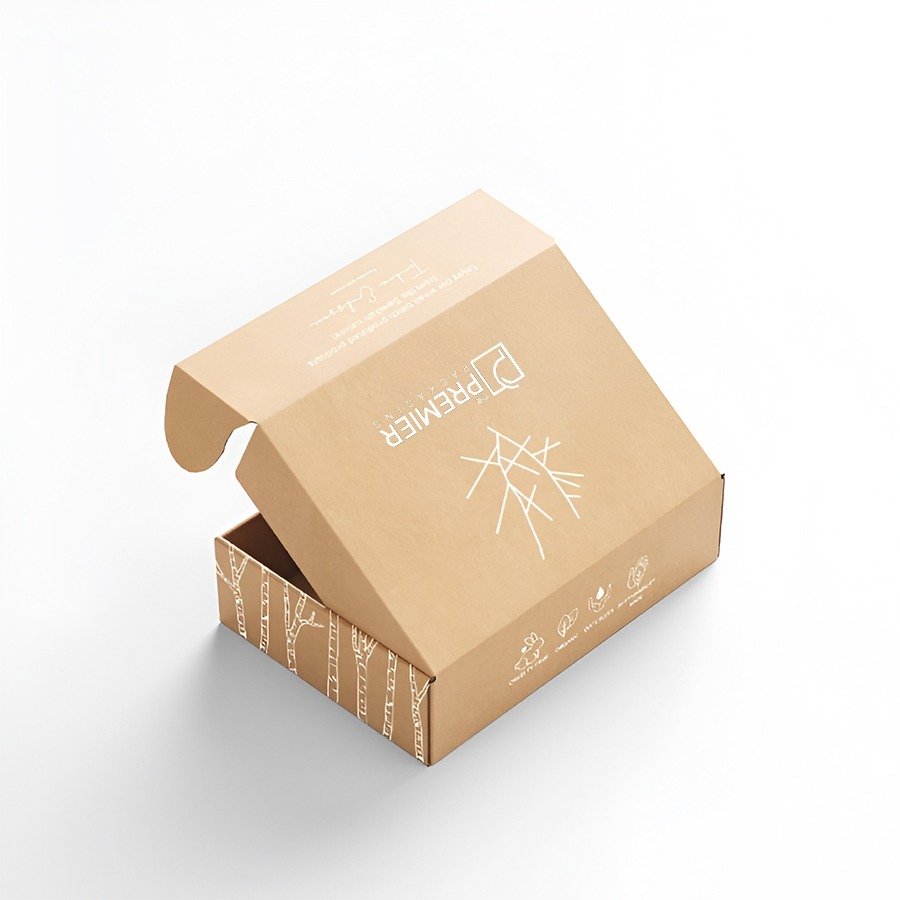
If you go to any bakery in the United States this spring, you’ll see them. Rows of brown boxes. Not white. Not glossy. Not plastic. Simple, brown, recycled cardboard boxes in the shade of a paper bag. These are Kraft cookie boxes. And in 2026, they are everywhere.
Sixty percent growth. It’s the big number that everyone in the packaging industry is talking about. From its humble beginnings, the Kraft cookie box market has grown to a $2.3 billion industry in just two years. Bakers love them. Consumers clamor for them. And imitators are rushing to catch up with the small stores that pioneered them.
What Is Kraft, Anyway?
First, a little background. Kraft paper isn’t a brand. It is a type of material. It’s the German word for “strong”. Kraft paper is wood pulp paper that is produced with a chemical process that leaves a lot of the natural wood glue (called lignin) in the paper. So it’s strong, it doesn’t tear easily and it’s brown. It’s the Year of the Brown Box in 2016
There were three factors behind the 60% growth
Force one: plastic fatigue. They are sick of clear plastic trays. They are tired of cellophane trays for their cookies. They know that plastic is not recycled. A Kraft box feels different. You can rip it. You can put it in the compost. You can color on it with a crayon. It is not anything but paper.
The second force: social media. Behold the paradox. Brown boxes photograph beautifully. Put a dozen chocolate chip cookies in a Kraft box with a ribbon. Photograph with daylight. That photo gets more likes than the white box with the gold stamping. Why? Because it looks real. It looks homemade. It looks like someone baked these cookies.
Force three: cost. Kraft is cheap. A cardboard box with a white coat costs 40 percent more than a Kraft box. A see-through plastic tub with lid is twice as expensive. In these times of inflation, it’s an easy solution for bakeries to switch to Kraft.
The Bakery that Started a Trend
I’d like to tell you about a bakery in Portland, Oregon. This bakery is owned by Maria. She owns the bakery Brown Paper Bakery. In 2023, she decided to only use Kraft paper packaging. No wax liners. No plastic windows. No stickers. Only brown boxes and brown paper bags with cotton string.
She sold her cookies in Kraft boxes, hand-labeled. Nothing else. Customers loved it. They brought the boxes back to refill. They made unboxing videos with the gentle crunch of the paper. One was viewed more than three million times.
Maria could not meet demand in 2015. She now ships to 48 states. All in Kraft boxes. Her success inspired hundreds of other bakers. That is how a movement starts. Not with a big corporation. With one man and a brown bag.
The Big Brands Follow
When the little bakeries saw it was successful, the big brands took notice. Two of the big national cookie brands announced in late 2015 that they would use Kraft boxes for their seasonal cookies. One reported a 25% increase in sales. No new recipe. No new advertising. Just a brown box.
In 2026, even non-food brands are imitating the style. A shirt company packages its t-shirts in Kraft boxes. A candle company puts candles in Kraft boxes for Christmas. A dog treat company replaced plastic tubs with Kraft boxes shaped like dog houses.
The Hidden Problems
Not everything is perfect. The Kraft boxes have limitations. They are not waterproof. Water and Kraft boxes do not mix well. They are not airtight, so cookies will go stale more quickly than in a zippered plastic bag. And the brown paper is pretty, but it disguises grease marks. A butter cookie might leave a dark stain on the bottom of the box.
Some bakers put a compostable liner made of plant wax in the box. Others use Kraft boxes with a message: “Open within three days for best results.” Consumers accept that trade-off to get the appearance and the texture.
There is also a problem with recycling. Not all towns will accept Kraft boxes with food oil on them. Many recyclers put them in the trash. So, the box could just go to the landfill. But proponents say that even if that happens, Kraft paper decomposes in years, not thousands of years.
What Comes Next
60 percent growth is impressive. But experts predict that the Kraft cookie box market is far from saturated. Some experts believe it could double again by 2028. Advances in printing technology allow small bakeries to order Kraft boxes printed with their logo in soy ink. Next year, Kraft boxes will feature wildflower seed paper. You bury it once you’ve eaten the cookies.
Final Words
Let me leave you with this. A Kraft cookie box is paper. Brown, unexciting, easy to rip. But in 2026, it’s a tiny bit of defiance. Against plastic. Against waste. Against the notion that packaging must shout. A Kraft box whispers. And people are sick of yelling.
So next time you buy a cookie in a brown box, smell it. Feel the texture. Smell the paper. Listen to the crunch as you open it. That’s no box crunching. It is a change in the way we consume and dispose. And a 60% increase means we are here to stay.