

How Northern Karate Schools Help Children Grow Stronger
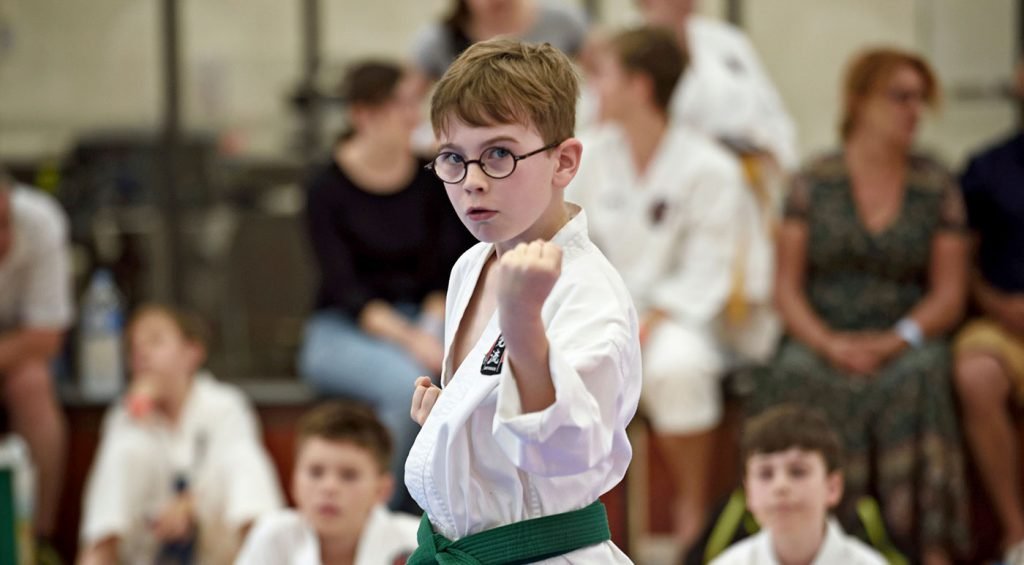
Karate for kids has become one of the most popular activities for children because it combines fitness, discipline, and fun in one exciting program. Parents today are looking for activities that not only keep their children active but also teach important life skills. Karate does exactly that. From improving physical health to boosting confidence and focus, karate training provides long-term benefits that children can carry into adulthood.
Many parents choose trusted programs like northern karate schools because they offer structured lessons designed specifically for children of different ages and skill levels. These schools create a safe and encouraging environment where kids can grow physically, mentally, and emotionally.
Why Karate Is Great for Children
Karate is much more than learning punches and kicks. It is a complete activity that helps children develop discipline, respect, and self-control. During classes, kids learn to follow instructions, stay focused, and work toward goals. These lessons often improve behavior at home and performance at school.
Children today spend a lot of time on screens, which can limit physical activity. Karate gives them an opportunity to move, exercise, and stay healthy while enjoying a fun and interactive experience. The structured nature of karate also helps children feel more confident and motivated.
Physical Benefits of Karate for Kids
One of the biggest advantages of karate is improved physical fitness. Classes include stretching, warm-ups, drills, and movement exercises that strengthen the body. Over time, children develop better balance, coordination, flexibility, and endurance.
Karate training can also help children maintain a healthy weight and improve overall energy levels. Because classes are active and engaging, kids often look forward to attending every week.
Some key physical benefits include:
- Better coordination and balance
- Increased flexibility and strength
- Improved posture and body awareness
- Enhanced stamina and cardiovascular health
- Faster reflexes and agility
These benefits are especially important during childhood development because they help build a strong foundation for a healthy lifestyle.
Mental and Emotional Growth
Karate is known for helping children grow mentally and emotionally. Students are encouraged to stay focused, practice patience, and work hard to achieve new belt levels. This teaches persistence and determination.
Confidence is another major benefit. As children learn new techniques and progress through training, they feel proud of their achievements. This confidence often carries over into school, friendships, and other activities.
Many parents notice positive emotional changes after enrolling their children in karate, such as:
- Increased self-esteem
- Better focus and concentration
- Improved listening skills
- Reduced stress and anxiety
- Stronger emotional control
Karate also teaches children how to handle challenges calmly and respectfully.
Learning Respect and Discipline
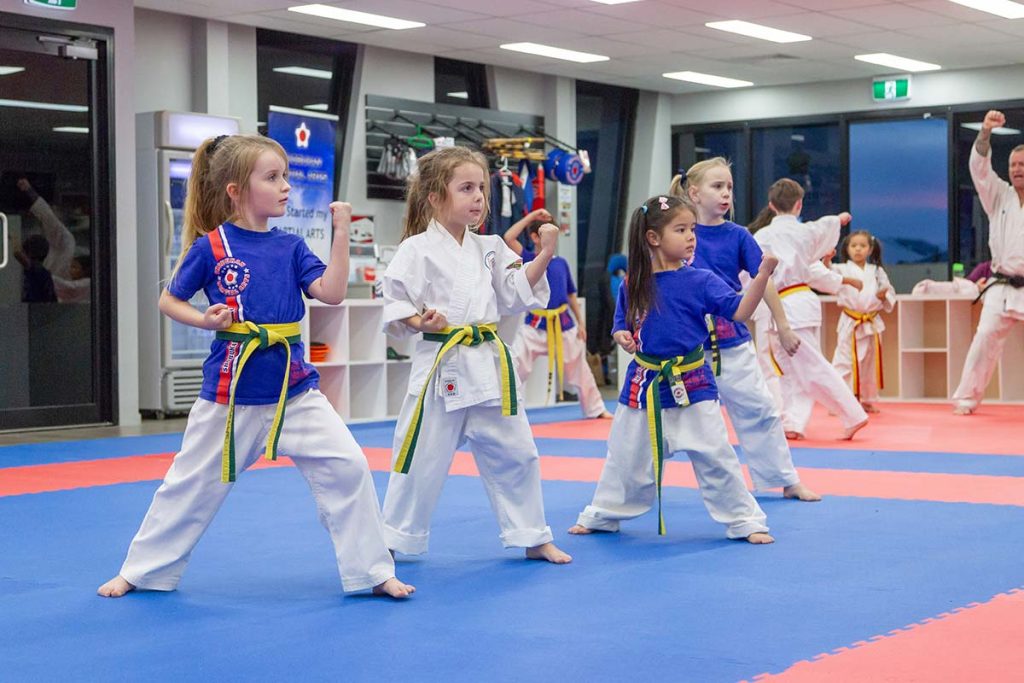
Respect is one of the core values taught in karate. Students learn to respect instructors, classmates, parents, and themselves. Bowing before class, listening carefully, and following instructions all reinforce positive behavior.
Discipline is another important lesson. Karate classes require children to practice regularly, stay committed, and work hard. This structure helps children develop responsibility and accountability at an early age.
Programs offered by northern karate schools are especially recognized for promoting discipline in a positive and supportive way. Instructors focus on encouragement rather than pressure, helping children enjoy learning while improving their skills.
Karate Helps With Social Skills
Karate classes are also a great way for children to make friends and improve social interaction. Kids train alongside classmates who share similar goals and interests. Working together in partner drills and group activities teaches teamwork and communication.
For shy children, karate can provide a comfortable environment to build confidence around others. Over time, many kids become more outgoing and comfortable participating in group settings.
Positive social experiences in karate can help children develop:
- Teamwork skills
- Communication abilities
- Respect for others
- Leadership qualities
- Friendships and community connections
These skills are valuable both inside and outside the dojo.
Safety in Kids’ Karate Programs
Parents often wonder whether karate is safe for children. The good news is that children’s karate programs are designed with safety as a top priority. Qualified instructors teach proper techniques carefully and ensure students train in a controlled environment.
Protective equipment and supervised drills help minimize risks. Most beginner classes focus on basic movements, coordination, and discipline rather than aggressive sparring.
Reputable northern karate schools follow age-appropriate training methods to ensure children learn safely while having fun.
Choosing the Right Karate School
Finding the right karate school is important for your child’s experience. Parents should look for programs with experienced instructors, a welcoming atmosphere, and structured classes for different age groups.
When visiting a karate school, consider asking:
- Are instructors certified and experienced with children?
- Is the environment positive and supportive?
- Are classes organized by age and skill level?
- Does the school focus on discipline and respect?
- Are safety measures clearly followed?
A good karate school should make children feel motivated, comfortable, and excited to learn.
Final Thoughts
Karate for kids is one of the best activities for building confidence, discipline, fitness, and social skills. It gives children the opportunity to stay active while learning valuable life lessons that can benefit them for years to come.
Whether your child is shy, energetic, or looking for a new hobby, karate can provide a positive outlet for growth and self-improvement. Trusted programs like northern karate schools continue to help children become stronger, more focused, and more confident individuals in a supportive and encouraging environment.