
How an NGO for Children Helps Build a Better Future
Children are the foundation of every strong society. When they receive proper education, healthcare, nutrition, and emotional support, they grow into confident individuals who can contribute positively to their communities. Unfortunately, many children still face challenges such as poverty, lack of education, malnutrition, and limited access to opportunities.
This is where an NGO for children plays an important role. Organizations dedicated to child welfare work tirelessly to create opportunities that help children build a secure and successful future. Through education programs, healthcare initiatives, nutrition support, and community development projects, these organizations bring meaningful change to thousands of young lives.
Organizations like Cry America support efforts that focus on improving children’s lives and helping them achieve their full potential. Their work demonstrates how collective action can create lasting impact for future generations.
Why Children Need Support Beyond Basic Necessities
Every child deserves more than just food and shelter. They need access to quality education, a safe environment, healthcare, and opportunities for personal growth. However, many families struggle to provide these essentials due to financial limitations.
A child who misses school today may face fewer career opportunities tomorrow. Similarly, poor health and inadequate nutrition can affect both physical and mental development. An NGO for children helps bridge these gaps by providing resources and support where they are needed the most.
When communities invest in children, they invest in long-term social and economic development.
The Role of an NGO for Children in Society
Child-focused organizations work directly with communities to identify problems and implement practical solutions. Their goal is not just to provide temporary assistance but to create sustainable improvements.
Some of the key areas where these organizations make a difference include:
- Education and school enrollment
- Child health and nutrition
- Protection from child labor and exploitation
- Community awareness and empowerment
These efforts help children enjoy their rights and develop the skills they need for a better future.
Supporting Education for Every Child
Breaking Barriers to Learning
Education remains one of the most effective tools for reducing poverty. Yet many children still struggle to attend school regularly because of financial difficulties, social barriers, or lack of infrastructure.
An NGO for children works to ensure that education becomes accessible to all. These organizations collaborate with schools, families, and local communities to improve enrollment and reduce dropout rates.
They often support:
- School readiness programs
- Learning materials and resources
- Teacher training initiatives
- Awareness campaigns encouraging education
By helping children stay in school, NGOs contribute to stronger communities and brighter futures.
Encouraging Equal Opportunities
Many girls and marginalized children face additional challenges in accessing education. Child welfare organizations promote equal opportunities so that every child can learn and grow regardless of gender, background, or economic status.
This inclusive approach creates a more balanced and empowered society.
Improving Child Health and Nutrition
Building a Healthy Foundation
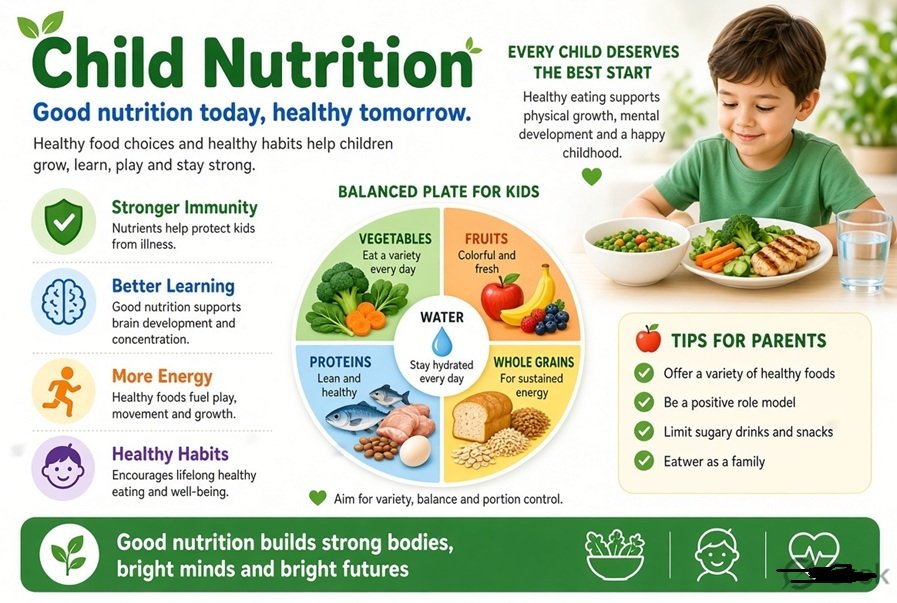
Good health is essential for a child’s development. Without proper nutrition and healthcare, children may face long-term physical and cognitive challenges.
An NGO for children often supports health initiatives that focus on preventive care, awareness, and access to essential services. These programs help children receive timely medical attention and nutritional support.
Healthy children perform better in school, participate actively in their communities, and have a greater chance of achieving their goals.
Fighting Malnutrition
Malnutrition continues to affect millions of children worldwide. It can lead to stunted growth, weakened immunity, and poor academic performance.
Child welfare organizations work with communities to improve nutrition awareness and support programs that provide healthy meals and nutritional guidance. These efforts help children develop properly and lead healthier lives.
Protecting Children’s Rights
Creating Safe Environments
Every child deserves a safe and secure childhood. Unfortunately, many children face risks such as child labor, trafficking, abuse, and neglect.
An NGO for children actively works to protect vulnerable children and promote awareness about child rights. Through community engagement and advocacy, these organizations help families understand the importance of creating safe environments for children.
Protection initiatives often focus on identifying risks early and connecting families with appropriate support systems.
Raising Awareness Among Communities
Lasting change begins with awareness. NGOs regularly conduct community programs that educate parents, teachers, and local leaders about child protection and welfare.
When communities understand children’s rights, they become more capable of preventing exploitation and ensuring children’s well-being.
Empowering Families and Communities
Strengthening Local Support Systems
Children thrive when their families and communities are strong. This is why many child-focused organizations also work with parents and caregivers.
They provide guidance on topics such as:
- Child development
- Nutrition and healthcare
- Education planning
- Financial awareness
When parents receive support and knowledge, they can make better decisions for their children’s future.
Encouraging Community Participation
Successful child development programs involve active participation from local communities. NGOs encourage residents to take ownership of initiatives and contribute to long-term solutions.
This collaborative approach ensures that positive changes continue even after specific projects conclude.
How Donations Help Change Children’s Lives
Many people want to contribute to meaningful causes but are unsure how their support makes a difference. Donations play a vital role in helping child welfare organizations expand their reach and impact.
Funds often support educational programs, healthcare initiatives, nutrition projects, and child protection efforts. Even small contributions can help provide resources that improve a child’s quality of life.
When individuals choose to support a trusted NGO for children, they become part of a larger effort to create opportunities for future generations.
The Long-Term Impact of Child Welfare Programs
The benefits of supporting children extend far beyond childhood. When children receive education, healthcare, and protection, they are more likely to become productive adults who contribute positively to society.
Long-term outcomes often include:
- Higher literacy rates
- Improved health outcomes
- Better employment opportunities
- Reduced poverty levels
These positive changes strengthen communities and contribute to national development.
An investment in children today creates a stronger tomorrow for everyone.
Why Supporting an NGO for Children Matters
Creating a better future requires collective responsibility. Governments, communities, organizations, and individuals all have a role to play in supporting children’s development.
An NGO for children acts as a bridge between resources and those who need them most. Through education, healthcare, nutrition, and protection initiatives, these organizations help children overcome challenges and unlock their potential.
Organizations such as Cry America support efforts that focus on creating lasting opportunities for children and ensuring they receive the care and support they deserve.
Every child deserves the chance to dream, learn, and succeed. By supporting child welfare initiatives, we can help build a future where more children have access to the opportunities they need to thrive.
Conclusion
Children represent hope, progress, and the future of society. When they receive proper care, education, and protection, they gain the confidence and skills needed to build successful lives.
An NGO for children plays a crucial role in making this possible. By addressing challenges related to education, health, nutrition, and child rights, these organizations create meaningful and lasting change. Their efforts not only improve individual lives but also strengthen communities and contribute to a better world.
Supporting child-focused initiatives is one of the most impactful ways to create positive change. Every contribution, whether through awareness, advocacy, volunteering, or donations, helps bring us closer to a future where every child has the opportunity to thrive.
FAQs
What does an NGO for children do?
An NGO for children works to improve children’s lives through programs focused on education, healthcare, nutrition, child protection, and community development.
How does supporting child welfare programs help society?
Child welfare programs improve education levels, health outcomes, and economic opportunities, leading to stronger and more sustainable communities.
Why is education important in child development?
Education helps children develop knowledge, skills, confidence, and opportunities that can improve their future quality of life.
How can people support an NGO for children?
People can support through donations, volunteering, fundraising, spreading awareness, and participating in community initiatives.
What impact do child-focused NGOs create in the long term?
They help reduce poverty, improve literacy, enhance health outcomes, protect children’s rights, and create opportunities for future generations.