

Gentle Foaming Cleanser: Benefits, Ingredients, and How to Choose One
Quick Answer: A gentle foaming cleanser removes everyday dirt, excess oil, sunscreen, and impurities while being formulated to avoid excessive dryness or tightness. It can be a useful choice for normal, combination, and oily skin, while people with dry or sensitive skin should look for mild surfactants and moisturizing ingredients.
A good cleanser should clean your skin without leaving it feeling stripped. The challenge is finding a foaming formula that gives you that clean feeling while still respecting your skin’s natural moisture barrier.
What Is a Gentle Foaming Cleanser?
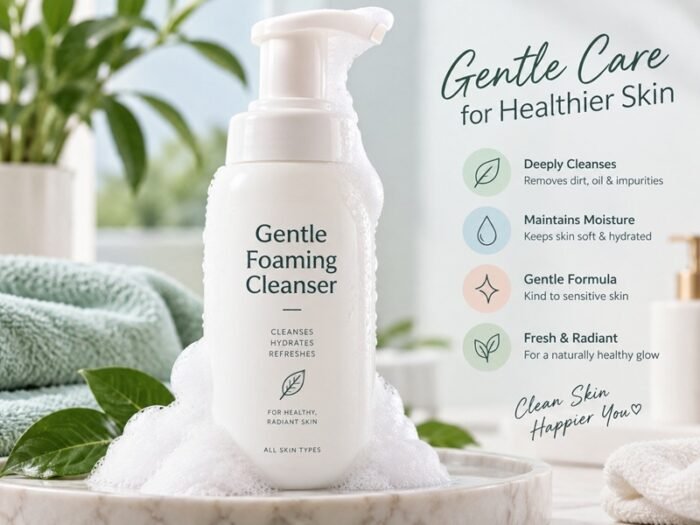
A gentle foaming cleanser is a facial cleanser that creates foam while using cleansing agents designed to remove impurities without being unnecessarily harsh.
Foam itself does not determine whether a cleanser is gentle. The overall formula matters more, including the type and concentration of surfactants, fragrance, alcohol, pH, and moisturizing ingredients.
A well-formulated cleanser can help remove:
- Dirt and daily impurities
- Excess sebum
- Sweat
- Sunscreen residue
- Light makeup
- Environmental pollutants
The goal is clean skin that does not feel excessively dry, tight, burning, or uncomfortable afterward.
Why Use a Gentle Foaming Cleanser?
Removes Excess Oil
Foaming cleansers can be particularly useful for people who produce more facial oil. They can help remove excess sebum without requiring aggressive scrubbing.
Cleans Daily Impurities
Throughout the day, your skin comes into contact with sweat, dust, sunscreen, and other substances. Cleansing helps remove these accumulated impurities.
Creates a Fresh Skin Feel
A foaming cleanser can provide a lightweight, fresh feeling after washing, which many people prefer as part of their morning or evening routine.
Supports a Simple Skincare Routine
Cleansing is generally the first step before products such as serums and moisturizers.
Is a Foaming Cleanser Good for Every Skin Type?
Not necessarily. The right cleanser depends on your skin type and how your skin responds to the formula.
| Skin Type | What to Look For |
|---|---|
| Oily | Gentle cleansing with oil-control support |
| Combination | Balanced cleansing without excessive dryness |
| Normal | Mild everyday cleansing |
| Dry | Creamier or hydrating foaming formulas |
| Sensitive | Fragrance-free, mild formulas |
| Acne-prone | Non-comedogenic options and appropriate active ingredients |
People with dry or sensitive skin may find some highly foaming formulas too drying. If your skin feels tight or uncomfortable after cleansing, consider switching to a milder formula or using it less frequently.
Ingredients to Look for in a Gentle Foaming Cleanser
Mild Surfactants
Surfactants are responsible for helping lift oil, dirt, and other impurities from the skin.
The type of surfactant matters. A formula based on milder cleansing agents may be more comfortable for dry or sensitive skin than an aggressively cleansing formula.
Glycerin
Glycerin is a humectant that helps attract and retain water in the skin.
It is commonly used in cleansers and other skincare products designed to support hydration.
Ceramides
Ceramides are naturally occurring lipids found in the skin barrier. Cleansers containing ceramides may be useful when maintaining skin comfort and barrier support is a priority.
Hyaluronic Acid
Hyaluronic acid is a humectant used in many hydrating skincare formulations. In a cleanser, it can complement other moisturizing ingredients.
Niacinamide
Niacinamide, also known as vitamin B3, is commonly included in skincare products designed for oil control, barrier support, and overall skin appearance.
However, the effect depends on the concentration and complete formulation.
Ingredients You May Want to Avoid
There is no universal ingredient blacklist because individual skin tolerance varies. However, some people may prefer to avoid or limit certain ingredients if they experience irritation.
These can include:
- Strong fragrance
- High amounts of drying alcohol
- Very aggressive cleansing agents
- Excessive exfoliating acids in an everyday cleanser
If your skin is sensitive, a simple fragrance-free formula can be a reasonable starting point.
How to Use a Gentle Foaming Cleanser
Using more cleanser does not necessarily mean cleaner skin.
A simple routine is usually enough:
- Wet your face with lukewarm water.
- Apply a small amount of cleanser to your hands.
- Gently massage it over your face.
- Avoid aggressive scrubbing.
- Rinse thoroughly.
- Pat your skin dry with a clean towel.
- Follow with moisturizer.
If you use a cleanser in the morning and evening, pay attention to how your skin responds. Some people may need less frequent cleansing depending on their skin type and routine.
Expert Tip: Your skin should generally feel clean but comfortable after cleansing. If your face feels unusually tight, squeaky, itchy, or dry for an extended period after washing, the cleanser may be too aggressive for your skin, even if it produces a satisfying amount of foam.
Gentle Foaming Cleanser vs Cream Cleanser
Both can be effective, but they offer different experiences.
| Feature | Gentle Foaming Cleanser | Cream Cleanser |
|---|---|---|
| Texture | Foam or gel | Creamy |
| Cleansing feel | Fresh and lightweight | Richer and softer |
| Often preferred by | Normal, combination, oily skin | Dry or sensitive skin |
| Oil removal | Moderate to high depending on formula | Usually milder |
| Hydration feel | Depends on formula | Often more moisturizing |
There are exceptions, so always evaluate the complete formulation rather than choosing solely based on cleanser type.
Gentle Foaming Cleanser for Oily Skin
If your skin becomes oily during the day, a gentle foaming cleanser can help remove excess sebum.
However, aggressively stripping oil is not necessarily better.
A cleanser that leaves your skin extremely dry can make your routine uncomfortable and may encourage you to use heavier products to compensate.
Look for a formula that removes excess oil while leaving your skin comfortable.
Gentle Foaming Cleanser for Dry Skin
Dry skin often benefits from a cleanser that prioritizes comfort and moisture.
Look for:
- Mild surfactants
- Glycerin
- Ceramides
- Hydrating ingredients
- Fragrance-free formulations if your skin is easily irritated
You may also prefer a low-foam or creamy cleanser if traditional foaming formulas consistently leave your skin feeling dry.
Gentle Foaming Cleanser for Sensitive Skin
Sensitive skin can react to many different factors, so simplicity can be useful.
Consider products that are:
- Fragrance-free
- Mildly cleansing
- Free from unnecessary irritants
- Suitable for sensitive skin
Patch testing a new skincare product can also help you identify potential irritation before incorporating it into your regular routine.
How Often Should You Use a Foaming Cleanser?
Many people use a facial cleanser once or twice daily, but the ideal frequency depends on skin type, climate, skincare products, and personal tolerance.
If twice-daily cleansing leaves your skin dry or irritated, consider reducing the frequency or choosing a gentler formula.
After workouts or heavy sweating, cleansing can help remove sweat and accumulated impurities.
Common Mistakes When Using a Foaming Cleanser
Using Too Much Product
A large amount of cleanser does not necessarily improve cleansing.
Scrubbing Too Hard
Aggressive rubbing can irritate the skin. Gentle massage is generally sufficient.
Using Very Hot Water
Hot water can feel relaxing, but it may increase dryness and irritation. Lukewarm water is generally a better choice.
Cleansing Too Frequently
More cleansing is not automatically better. Excessive cleansing can leave some skin types feeling dry or irritated.
Skipping Moisturizer
Cleansing removes surface impurities, but your routine may still benefit from a suitable moisturizer afterward.
Key Takeaways
| Factor | What to Know |
|---|---|
| Main purpose | Remove dirt, oil, sweat, and impurities |
| Best for | Depends on the formula and skin type |
| Oily skin | Look for effective but mild cleansing |
| Dry skin | Choose hydrating and gentle formulas |
| Sensitive skin | Consider simple, fragrance-free options |
| Important ingredients | Glycerin, ceramides, niacinamide, hydrating agents |
| Water temperature | Lukewarm is generally preferable |
| Frequency | Adjust according to skin tolerance |
How to Choose the Right Gentle Foaming Cleanser
Start with your skin type rather than choosing a product simply because it produces a lot of foam.
If you have oily or combination skin, you may prefer a lightweight foaming formula that effectively removes excess sebum. If you have dry or sensitive skin, prioritize mild surfactants and moisturizing ingredients.
Also consider the rest of your skincare routine. If you already use exfoliating acids, retinoids, or other potentially irritating products, a simpler cleanser may be more appropriate.
The best gentle foaming cleanser is ultimately one that cleans your skin effectively without consistently leaving it uncomfortable, excessively dry, or irritated.
Frequently Asked Questions
Is a gentle foaming cleanser good for sensitive skin?
It can be, but not every foaming cleanser is suitable for sensitive skin. Look for a mild, fragrance-free formula with gentle cleansing agents and moisturizing ingredients. If a cleanser causes burning, persistent redness, itching, or significant dryness, discontinue it and consider a simpler formulation.
Can I use a gentle foaming cleanser every day?
Many gentle foaming cleansers are designed for daily use, but frequency depends on your skin type and the specific formula. If your skin becomes dry, tight, or irritated with twice-daily use, consider reducing frequency or switching to a gentler cleanser that better suits your skin.
Is foaming cleanser good for oily skin?
A gentle foaming cleanser can work well for oily skin because it can remove excess sebum and daily impurities. However, very aggressive cleansing may cause excessive dryness and discomfort. Choose a formula designed to cleanse effectively without leaving your skin feeling stripped after washing.
Does a gentle foaming cleanser dry out skin?
A gentle foaming cleanser should not necessarily dry out the skin, but individual formulas vary. Surfactants, fragrance, cleansing strength, and your skin type all influence how the product feels. If your face consistently feels tight after washing, consider a more hydrating or less foaming cleanser.