

Electronic Invoicing Explained: How It Works for Modern Businesses
Invoicing is an essential part of almost every business transaction. As companies move away from paper-based processes, electronic invoicing has become an increasingly practical way to create, share, and manage invoices digitally. An electronic invoice system can help businesses reduce manual work, organize billing records, and improve the overall invoicing process.
For modern businesses, electronic invoicing is not simply about replacing a printed invoice with a digital file. It involves creating invoice information electronically, maintaining structured records, and making invoices easier to process and track. Accounting and business management solutions such as Busy can help businesses manage their invoicing activities more efficiently.
What Is an Electronic Invoice?
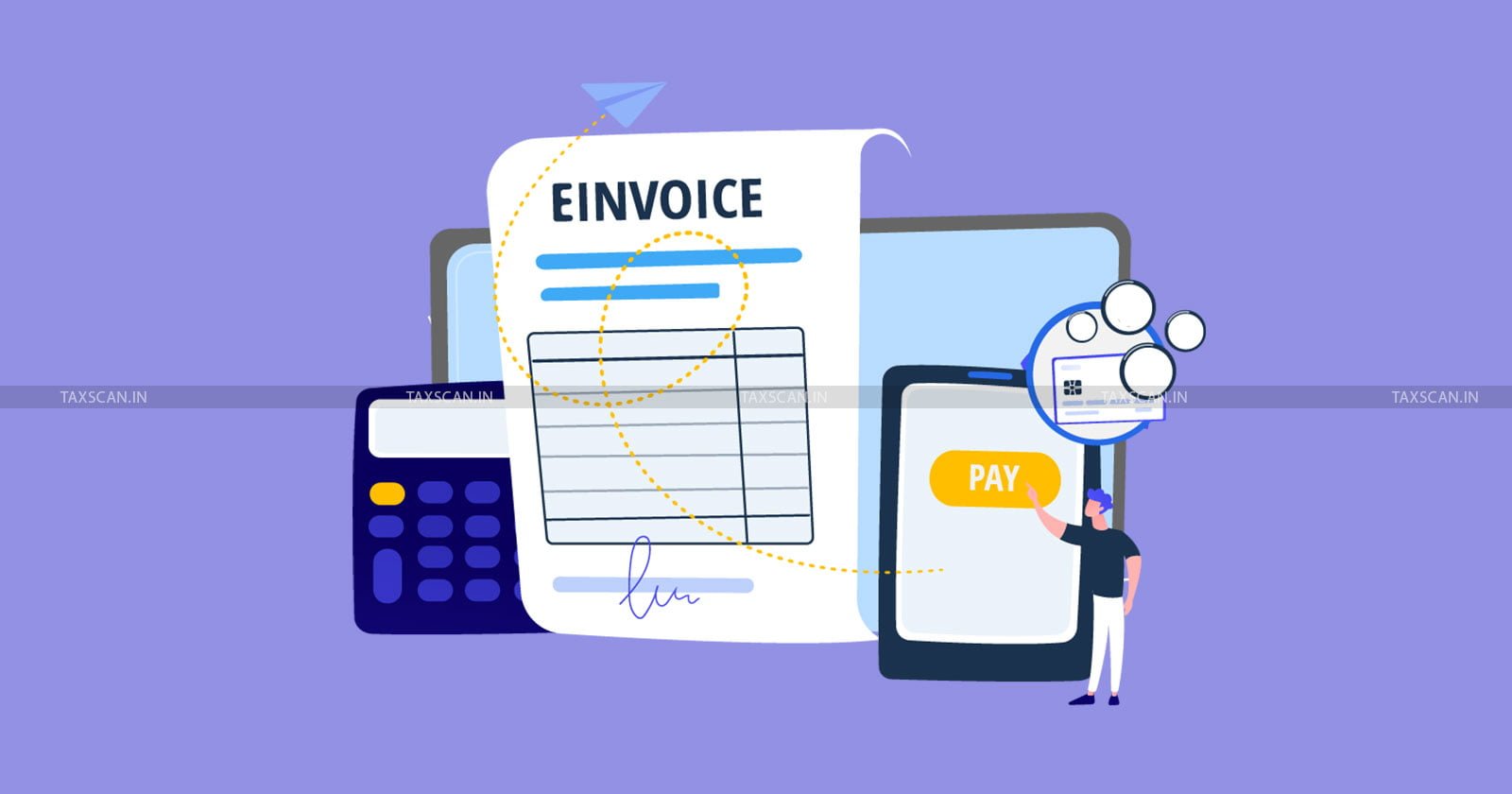
An electronic invoice, commonly called an e-invoice, is an invoice created and maintained in digital form. It contains information such as the seller’s details, buyer information, products or services, quantities, prices, taxes, discounts, and total amount payable.
Unlike traditional paper invoices, electronic invoices can be generated, stored, and shared digitally. This makes them easier to access and manage, particularly for businesses that process a large number of transactions.
How Does an Electronic Invoice System Work?
An electronic invoice system generally starts when a business records a sale or provides a service. The relevant customer and transaction information is entered into the billing or accounting software.
The system then generates an invoice using the available information. Depending on the business requirements and applicable regulations, the invoice may include tax information and other required details.
Once created, the invoice can be shared electronically with the customer. The business can also retain the digital record for future reference, payment tracking, reporting, and accounting purposes.
Faster Invoice Generation
Manual invoice preparation can involve repeatedly entering customer, product, pricing, and tax information. This can slow down the billing process, especially when a business handles numerous transactions.
An electronic invoice system can automate many repetitive steps. Customer and product information can be maintained digitally, allowing businesses to create invoices more quickly and reduce unnecessary data entry.
Better Invoice Accuracy
Errors in invoices can cause payment delays and create additional administrative work. Common mistakes include incorrect quantities, prices, tax calculations, or customer information.
Digital invoicing systems can automate calculations and use stored information to reduce repetitive manual entry. While the accuracy of an invoice still depends on the information entered and the system configuration, automation can significantly reduce common human errors.
Easier Invoice Delivery
Paper invoices may need to be printed, physically delivered, or scanned before being shared. Electronic invoices can be sent digitally, making the delivery process faster and more convenient.
Customers can receive invoices electronically and retain them for their own accounting and payment records. This can be particularly useful for businesses working with customers across different locations.
Simplified Invoice Tracking
Creating invoices is only one part of the billing process. Businesses also need to monitor which invoices have been paid and which amounts are still outstanding.
An electronic invoice system can help businesses maintain digital invoice records and track payment-related information. This makes it easier to identify pending payments and follow up with customers when necessary.
Centralized Digital Records
Managing physical invoices can require considerable storage space and administrative effort. Finding a particular invoice may also become difficult when records are spread across multiple files or locations.
Digital invoicing keeps invoice information organized electronically. Businesses can search and access records more conveniently, making it easier to review previous transactions or respond to customer queries.
Supports Efficient Accounting
Invoicing and accounting are closely connected. Sales invoices provide important information for maintaining financial records and preparing business reports.
When invoicing is integrated with accounting processes, businesses can reduce duplicate data entry and maintain more consistent transaction records. Busy provides business management and accounting capabilities that can help businesses handle billing and related financial activities within a structured digital workflow.
Helps Improve Cash Flow Management
Prompt invoicing can play an important role in maintaining healthy cash flow. When invoices are generated and delivered quickly, customers have the information they need to make payments.
Digital invoice records also make it easier for businesses to review outstanding amounts and monitor receivables. Better visibility can help business owners plan their cash requirements and payment schedules.
Useful for Growing Businesses
As a business expands, the number of customers, transactions, and invoices generally increases. Managing this growing volume manually can become difficult and time-consuming.
An electronic invoicing process can provide a more scalable way to handle billing operations. Businesses can establish standardized invoicing procedures and reduce the amount of manual administrative work required as transaction volumes increase.
Conclusion
An electronic invoice system provides a modern approach to creating, delivering, storing, and tracking invoices. By reducing manual work, improving accessibility, simplifying record management, and supporting faster billing, electronic invoicing can make financial operations more efficient.
For businesses looking to move toward digital accounting and billing, Busy can help streamline invoicing and related business processes. A well-organized electronic invoicing workflow can ultimately save time, improve record accuracy, and provide businesses with better visibility into their financial transactions.