
Consequences of Child Labour: Social, Economic, and Psychological Impacts on Children
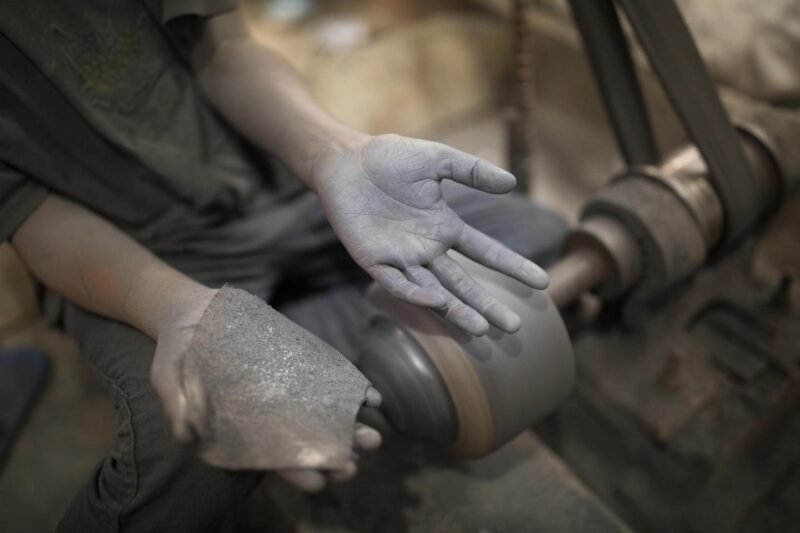
Childhood is meant to be a period of growth, learning, and play. However, for millions of children globally, this reality is replaced by the harsh demands of manual labor. The consequences of child labour are not just temporary setbacks; they are deep-seated scars that affect the individual and society for generations. At CRY India, we believe that understanding these impacts is the first step toward systemic change.
1. The Psychological Toll
The mental health of a child in the workforce is often the most overlooked aspect. When children are forced into adult responsibilities, they experience “stolen childhoods.” The constant pressure to perform, combined with often abusive environments, leads to chronic stress, anxiety, and depression.
Beyond emotional distress, the consequences of child labour include a loss of self-esteem. Children who work instead of attending school often feel marginalized and hopeless, lacking the cognitive development that comes from a nurturing educational environment.
2. Social Isolation and Fragmentation
Socially, child labour acts as a barrier between the child and their community. Instead of interacting with peers and developing social skills, working children are isolated in factories, fields, or domestic service.
This isolation prevents them from participating in the social fabric of their culture. Furthermore, it perpetuates a cycle of exploitation. When society accepts child labour as a norm, it weakens the protective legal and social frameworks meant to safeguard the vulnerable. CRY India works tirelessly to rebuild these social safety nets through community awareness.
3. Economic Implications: The Poverty Trap
It is a common misconception that child labour helps a family’s finances. In reality, the economic consequences of child labour are devastatingly cyclical.
-
Depressed Wages: Child labor increases the supply of unskilled workers, which can drive down adult wages.
-
Skill Deficiency: By skipping school, children remain unskilled. As adults, they are limited to low-paying jobs, ensuring the next generation remains in poverty.
-
National Impact: A nation with high child labour rates suffers from lower human capital, hindering long-term economic growth and innovation.
4. Physical Health and Development
Childhood is a critical window for physical development. Working in hazardous conditions—exposure to chemicals, heavy lifting, or long hours in cramped spaces—leads to permanent physical damage. Respiratory issues, stunted growth, and chronic pain are frequent outcomes. Unlike adults, children’s bodies are not fully formed, making them more susceptible to occupational hazards and injuries.
A Path Toward Change
Ending child labour requires more than just legislation; it requires a shift in how we value the rights of every child. By focusing on education and social security, we can mitigate the consequences of child labour. Supporting organizations like CRY India ensures that resources reach the grassroots level, turning the tide toward a future where every child is in school, not at work.
Frequently Asked Questions (FAQs)
1. What are the primary social consequences of child labour? The primary social impacts include social isolation, loss of educational opportunities, and the breakdown of traditional childhood development. It prevents children from integrating into their communities as empowered individuals.
2. How does child labour affect a country’s economy? While it may provide immediate survival income for a family, it harms the economy long-term by creating an unskilled workforce and depressing adult wages, which ultimately keeps the nation in a cycle of poverty.
3. Can the psychological effects of child labour be reversed? With early intervention, counseling, and reintegration into school systems, many children can recover. However, prolonged exposure to labor often leaves lasting impacts on self-worth and mental health.
4. Why is education the best solution for the consequences of child labour? Education breaks the poverty cycle. It equips children with the skills needed for higher-paying jobs in the future and provides a safe environment where their rights are protected.
5. How does CRY India contribute to ending child labour? CRY India works by addressing the root causes of child labour, such as poverty and lack of schools, while also working with local governments to ensure child protection laws are strictly enforced.