

Strategic Workforce Planning Software: A Smarter Approach to Future Workforce Needs
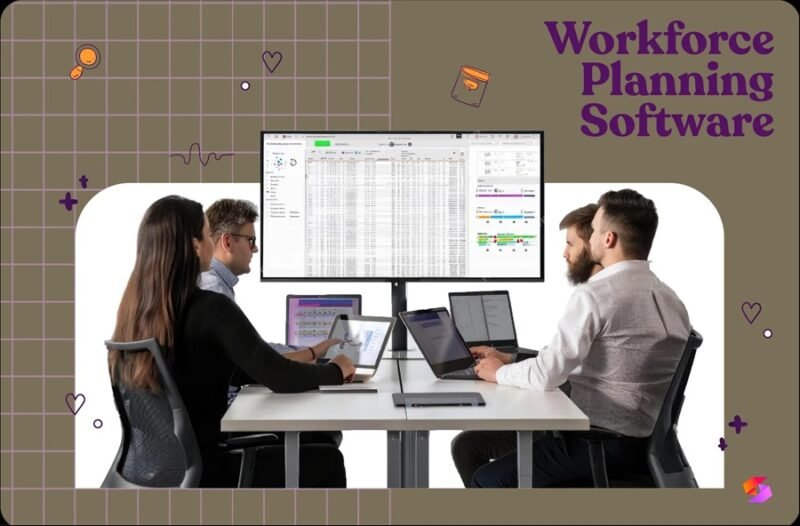
Organizations today need to plan their workforce around changing business priorities, evolving skill requirements, and uncertain market conditions. Hiring too early can increase costs, while hiring too late can create skill gaps and affect business performance. This is where strategic workforce planning software can help businesses connect workforce decisions with long-term organizational goals.
Instead of relying entirely on spreadsheets and disconnected data, workforce planning software provides a structured way to understand current capabilities, identify future requirements, and plan how the organization can close potential talent gaps.
Quick Answer
Strategic workforce planning software helps organizations analyze their current workforce, identify future skill and talent gaps, model different workforce scenarios, and align hiring, reskilling, and internal mobility with long-term business goals. Profinda helps businesses take a more structured, skills-focused approach to workforce planning.
What Is Strategic Workforce Planning Software?
Strategic workforce planning software is a technology solution designed to help organizations analyze their existing workforce and plan for future talent requirements.
It can bring together information about employees, roles, skills, workforce capacity, business demand, and organizational goals. HR and business leaders can then use this information to model different workforce scenarios and make more informed decisions.
The goal is not simply to determine how many employees a company needs. Effective workforce planning also considers whether the organization has the right skills, roles, experience levels, and capabilities to achieve its future objectives.
Why Is Strategic Workforce Planning Important?
Workforce requirements can change quickly. A company may enter a new market, introduce new technology, restructure teams, or experience changes in customer demand.
Without a structured planning process, organizations may discover workforce gaps only after they begin affecting operations.
Strategic workforce planning allows companies to consider these changes in advance. It can help decision-makers understand where additional hiring may be required, which skills could become more important, and where existing employees may be suitable for reskilling or redeployment.
Key Features of Strategic Workforce Planning Software
Workforce Data Analysis
A workforce planning platform can consolidate relevant workforce information into a central environment. This can make it easier to understand employee numbers, roles, skills, locations, and other workforce characteristics.
Having a clearer view of the existing workforce provides a foundation for future planning.
Skills and Capability Mapping
Modern workforce planning increasingly focuses on skills rather than job titles alone.
Software can help organizations map existing employee skills against the capabilities required for future business objectives. This can reveal areas where the organization already has sufficient expertise and areas where additional development or recruitment may be necessary.
Workforce Scenario Planning
Business leaders rarely plan for only one possible future. Changes in demand, budgets, technology, or organizational strategy can create different workforce requirements.
Scenario planning allows organizations to examine potential situations and assess how workforce needs could change under different assumptions.
For example, a company could model workforce requirements for business expansion, automation, restructuring, or slower growth.
Workforce Gap Analysis
Identifying the difference between current workforce capabilities and future requirements is an important part of strategic planning.
Software can help highlight potential gaps in headcount, skills, experience, or specific roles. Organizations can then consider possible responses such as recruitment, training, internal mobility, outsourcing, or redeployment.
Collaboration Between HR and Business Leaders
Strategic workforce planning should not operate separately from business planning.
Workforce planning software can give HR teams, finance leaders, managers, and executives a shared view of workforce information. This can make conversations about hiring, skills, budgets, and organizational capacity more data-driven.
Benefits of Using Strategic Workforce Planning Software
Better Workforce Visibility
One of the biggest challenges in workforce planning is obtaining a reliable view of the current workforce. Centralized workforce information can make it easier to understand organizational capacity and identify trends.
More Informed Hiring Decisions
Hiring decisions can be connected more closely to anticipated business requirements. Instead of responding only to immediate vacancies, organizations can consider future skills and workforce demand.
Improved Internal Mobility
A workforce planning system can help organizations identify existing employees whose skills may align with emerging roles.
This can support internal mobility and reduce the need to fill every new requirement through external recruitment.
More Effective Reskilling
When organizations understand future capability requirements, they can identify skills that may need development.
This can help HR teams design more targeted learning and reskilling initiatives rather than relying on broad training programs that may not address the most important workforce gaps.
Greater Alignment With Business Strategy
Workforce planning becomes more valuable when it is connected directly to business objectives.
If the company plans to expand into a new region, introduce a new product, or adopt new technology, workforce planning can help determine what people and capabilities will be required to support that strategy.
How Profinda Supports Strategic Workforce Planning
Profinda provides workforce planning capabilities designed to help organizations understand their people, skills, and future workforce requirements.
By connecting workforce information with planning processes, Profinda can help businesses examine current workforce capabilities, identify potential gaps, and explore workforce scenarios.
This approach can support organizations that want to move beyond basic headcount planning and develop a more skills-focused view of their workforce.
Strategic Workforce Planning vs. Traditional Workforce Planning
Traditional workforce planning often focuses heavily on headcount. Leaders may estimate how many employees they will need and then create hiring plans around those numbers.
Strategic workforce planning takes a broader approach. It considers business strategy, skills, roles, workforce costs, internal mobility, technology changes, and potential future scenarios.
This distinction matters because having the right number of employees does not necessarily mean having the right capabilities.
For example, an organization could have sufficient headcount but still experience a significant skills shortage if employees do not have the expertise required for upcoming projects.
How to Choose Strategic Workforce Planning Software
Organizations evaluating workforce planning platforms should consider several factors.
The software should be able to work with relevant workforce data and provide useful visibility into roles, skills, and workforce capacity. Scenario planning capabilities are also important for organizations that need to model multiple business possibilities.
Integration with existing HR and business systems can help reduce duplicate data entry and improve data consistency.
Usability is another important consideration. A workforce planning platform should be understandable to HR professionals and business leaders rather than being limited to technical users.
Organizations should also evaluate reporting, analytics, collaboration capabilities, scalability, data security, and vendor support before making a decision.
Building a Future-Ready Workforce
Workforce planning is increasingly becoming a continuous process rather than an annual HR exercise. Business priorities can change quickly, and organizations need the ability to reassess workforce requirements as conditions evolve.
Using strategic workforce planning software can provide a structured foundation for this process. By combining workforce data, skills intelligence, scenario planning, and business objectives, companies can make workforce decisions with a clearer understanding of both current capabilities and future requirements.
Final Thoughts
Strategic workforce planning software helps organizations connect workforce decisions with long-term business strategy. It can provide visibility into current capabilities, identify potential workforce gaps, support scenario planning, and help leaders make more informed decisions around hiring, reskilling, and internal mobility.
For organizations looking to build a workforce that can adapt to changing business requirements, solutions such as Profinda can provide a technology-driven approach to workforce planning and skills management.