
How Long Does It Take to Recover From Post Thrombotic Syndrome?
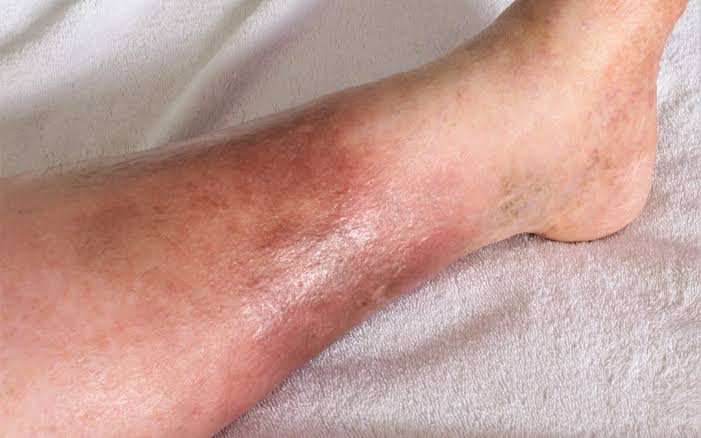
Post thrombotic syndrome (PTS) does not have one fixed recovery time. Some people notice improvement in swelling, pain, and leg heaviness within weeks or months with appropriate treatment, while others have symptoms that persist for years because PTS can become a chronic condition after deep vein thrombosis (DVT).
The recovery timeline depends on factors such as the severity of the original DVT, the extent of vein damage, existing swelling, recurrent clots, overall health, and how well symptoms respond to treatment.
What Is Post Thrombotic Syndrome?
Post thrombotic syndrome is a long-term complication that can develop after a DVT, particularly when the blood clot damages the veins or their valves. This damage can make it harder for blood to return from the affected limb to the heart, leading to increased pressure inside the veins.
Common symptoms include:
- Leg swelling, particularly after standing
- Aching, pain, or heaviness
- Tightness or fatigue in the affected leg
- Itching or skin changes
- Varicose or spider veins
- Darkening or thickening of the skin
- Venous ulcers in severe cases
Symptoms can be mild and intermittent or more persistent and disabling.
How Long Does Post Thrombotic Syndrome Take to Improve?
There is no standard recovery period for PTS. Mild symptoms may improve over several weeks or months, while moderate or severe PTS may require long-term management rather than a complete recovery.
PTS is different from the temporary swelling and discomfort that can occur immediately after a DVT. Clinical guidance notes that doctors generally wait at least 3 to 6 months after an acute DVT before diagnosing established PTS because some early symptoms can naturally resolve during this period.
A practical way to understand the timeline is:
| Situation | Possible recovery pattern |
|---|---|
| Mild swelling or heaviness | May improve over weeks to months |
| Persistent moderate symptoms | May require months of treatment and lifestyle management |
| Severe PTS | Can become a long-term condition |
| Venous ulcers | May take weeks or months to heal and can recur |
| Ongoing vein obstruction or valve damage | Symptoms may require long-term management |
These are general patterns, not guaranteed timelines. Your vascular specialist can provide a more personalized assessment based on your symptoms and vein condition.
Expert Tip / Practical Advice: Do not judge recovery only by whether the leg looks normal. Track swelling, pain, heaviness, walking tolerance, and skin changes over time. Consistent follow-up is important because persistent or worsening symptoms may require a different treatment approach.
Why Does Recovery From Post Thrombotic Syndrome Take Time?
The main reason is that PTS involves changes to the veins themselves. A DVT can leave residual blockage or damage the valves that normally prevent blood from flowing backward. These changes can contribute to chronic venous hypertension.
Even after the original clot has been treated, the affected vein may not immediately return to normal. In some people, the vein partially recanalizes while valve damage remains.
This means that treating the original DVT and managing PTS are related but different goals. Anticoagulants are used to reduce the risk of clot extension and recurrence, but they do not directly repair established PTS.
What Can Help Speed Up Symptom Improvement?
There is no treatment that guarantees a faster recovery, but several approaches can help control symptoms and improve daily function.
Compression Therapy
Compression stockings or other compression devices may help reduce swelling and discomfort in people with symptomatic PTS. Guidelines suggest that compression can be used for established PTS, with the strength selected according to symptoms and medical advice.
Compression should be properly fitted. The right level of compression depends on the individual, so it is better to get guidance from a healthcare professional rather than choosing a high-compression product independently.
Regular Exercise
Movement can support the calf muscle pump, which helps venous blood return from the legs.
A supervised exercise program involving leg strengthening and aerobic activity has been recommended for people with PTS who can safely participate. Research has found improvements in leg strength, flexibility, and quality of life with structured exercise, although evidence for reducing the severity score itself is limited.
Walking, calf exercises, and other activities may be included depending on a person’s condition.
Leg Elevation
Elevating the affected leg can help reduce swelling, particularly after prolonged standing or sitting. It is often used alongside other measures rather than as a standalone treatment.
Maintaining a Healthy Weight
Excess body weight is associated with a higher risk of PTS and can place additional stress on the venous system. Maintaining a healthy weight, staying active, and avoiding long periods of inactivity may support overall venous health.
Can Post Thrombotic Syndrome Go Away Completely?
Sometimes symptoms can improve substantially, but established PTS cannot always be completely reversed. The condition can result from lasting changes to the veins and valves, so some people need ongoing symptom management.
The goal of treatment is often to reduce swelling and discomfort, improve mobility and quality of life, protect the skin, and prevent complications such as venous ulcers.
For people with persistent symptoms caused by significant venous obstruction, a vascular specialist may consider additional treatments. In carefully selected patients with significant pelvic or deep venous obstruction, procedures such as venous stenting may be considered.
What Does Recovery Look Like in Real Life?
Consider someone who develops a DVT in one leg and continues to experience mild swelling after the acute treatment period.
If the swelling gradually decreases with appropriate compression, regular movement, leg elevation, and follow-up, the person may experience meaningful improvement over several months.
Another person may have extensive DVT with significant vein damage. In that situation, swelling and heaviness may continue despite conservative treatment, making PTS a longer-term condition that requires ongoing management.
This difference explains why there is no single answer to the question, “How long does post thrombotic syndrome last?”
When Should You See a Doctor?
Persistent or worsening symptoms after a DVT should be evaluated by a healthcare professional. A doctor may assess the symptoms clinically and may use duplex ultrasound when needed to evaluate blood flow, obstruction, or venous reflux.
Seek urgent medical attention if you develop sudden new leg swelling or pain, chest pain, difficulty breathing, coughing up blood, or other symptoms that could indicate a new blood clot or pulmonary embolism.
Do not assume that every new symptom is simply part of existing PTS.
Post Thrombotic Syndrome: Key Takeaways
| Key Point | What to Know |
|---|---|
| Recovery time | Varies significantly from person to person |
| Mild PTS | Symptoms may improve over weeks or months |
| Severe PTS | May require long-term management |
| Exercise | Can improve leg strength and functional ability |
| Compression | May help control swelling and discomfort |
| Diagnosis | Usually based on symptoms and clinical assessment |
| Follow-up | Important when symptoms persist or worsen |
| Complete recovery | Not guaranteed because vein damage can be permanent |
Frequently Asked Questions
1. How long does post thrombotic syndrome usually last?
Post thrombotic syndrome can last for months or become a chronic condition. Mild symptoms may gradually improve, while persistent vein obstruction or valve damage can cause longer-term swelling, pain, or heaviness. Recovery depends on the severity of the original DVT, vein damage, treatment response, and individual health factors.
2. Can post thrombotic syndrome be cured?
Post thrombotic syndrome cannot always be completely cured because DVT may cause lasting damage to veins or valves. However, treatment can reduce swelling, pain, and heaviness and improve daily function. Compression, exercise, lifestyle measures, and selected vascular procedures may be considered depending on the severity and underlying venous problem.
3. Does exercise help post thrombotic syndrome?
Exercise can help people with post thrombotic syndrome improve leg strength, flexibility, walking ability, and quality of life. Structured programs commonly include leg strengthening and aerobic activity. Exercise should be appropriate for the person’s medical condition, particularly after a recent DVT, so discussing an exercise plan with a healthcare professional is advisable.
4. Can compression stockings improve post thrombotic syndrome?
Compression stockings may reduce swelling and discomfort in people with symptomatic post thrombotic syndrome. However, they do not repair damaged veins or guarantee prevention of PTS. The appropriate compression level and fit depend on the individual. A healthcare professional can determine whether compression is appropriate and recommend a suitable option.