
Aftermarket Body Kits: A Beginner’s Guide to Styling Trends
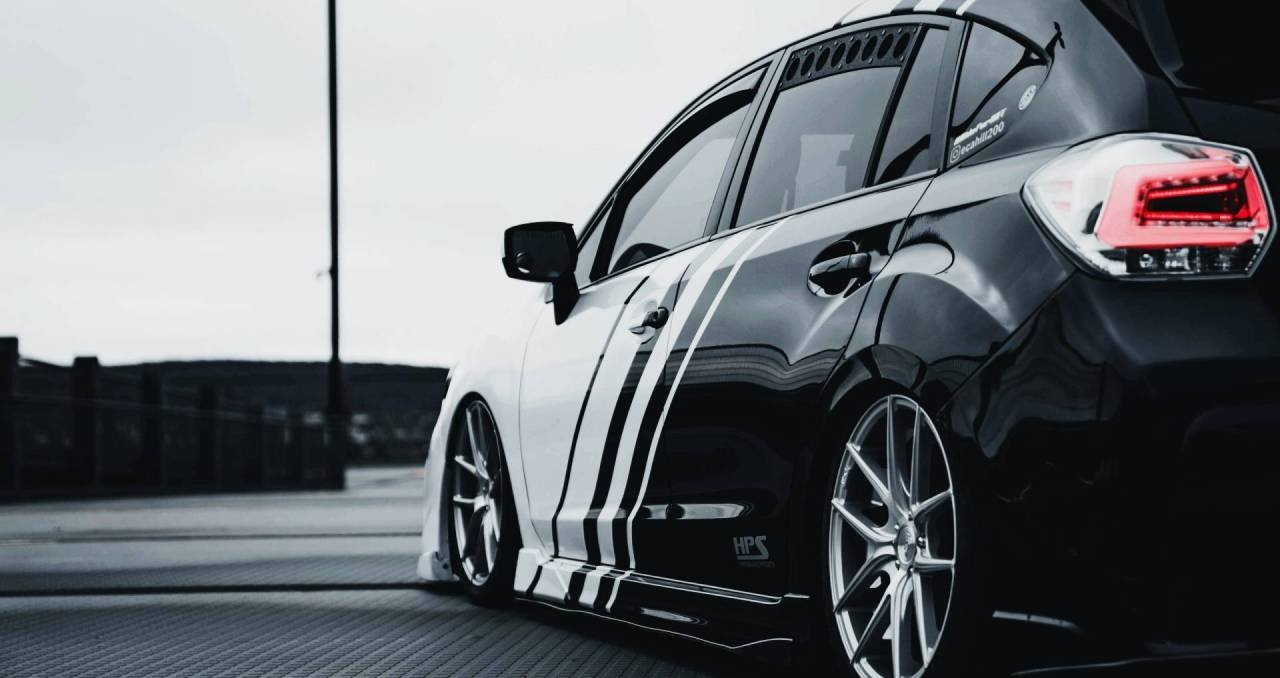
If you want to change the appearance of your car without buying a completely different vehicle, aftermarket body kits can be an effective way to create a more distinctive look. From aggressive front bumpers and side skirts to sculpted fenders, hoods, and rear wings, body kits give car owners numerous ways to personalize their vehicles.
For beginners, however, choosing a body kit can be confusing. Different kits offer different styling approaches, materials, fitment requirements, and levels of modification. Understanding the basics can help you choose an upgrade that complements your vehicle rather than simply adding more parts.
What Are Aftermarket Body Kits?
Aftermarket body kits are exterior components designed by manufacturers other than the vehicle’s original manufacturer to change or enhance a car’s appearance.
A body kit can include several exterior components, such as front and rear bumpers, side skirts, fenders, hoods, spoilers, wings, and other aerodynamic or styling elements. Some kits are sold as complete packages, while others allow enthusiasts to purchase individual components.
Unlike factory replacement parts, aftermarket styling components are generally chosen for customization. They can give a vehicle a sportier, more aggressive, cleaner, wider, or more distinctive appearance.
Why Are Aftermarket Body Kits Popular?
One of the main reasons enthusiasts choose aftermarket body kits is personalization. Factory vehicles are produced with standardized designs, while aftermarket parts allow owners to create a look that reflects their preferences.
Body kits can also change the visual proportions of a vehicle. A redesigned front bumper can make the front end appear wider, while side skirts can create a lower visual profile. Fender modifications can provide a more muscular appearance, and a rear wing can add a performance-inspired aesthetic.
For car enthusiasts, these modifications are often about more than appearance. Building a customized vehicle can become part of a larger project involving wheels, suspension, exhaust systems, lighting, and other upgrades.
Popular Aftermarket Body Kit Styling Trends
Automotive styling changes constantly, but several design directions remain popular among enthusiasts.
Aggressive and Sport-Inspired Styling
Aggressive styling uses sharper lines, larger openings, pronounced contours, and performance-inspired shapes. Front bumpers with larger air intakes and sculpted side skirts are common examples.
This approach works particularly well for enthusiasts who want their vehicle to have a more dynamic appearance without completely changing its original identity.
Widebody Styling
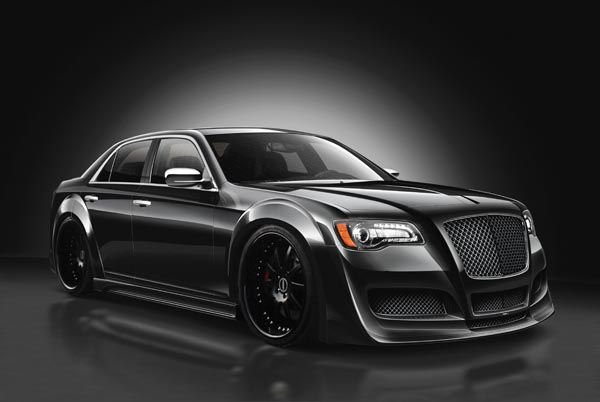
Widebody designs are intended to make a vehicle appear wider and more muscular. They commonly incorporate extended fenders, wider side sections, and redesigned bumpers.
A widebody appearance can dramatically transform a vehicle, but it may require more extensive installation work than simpler exterior modifications. Wheel and tire fitment may also need to be considered as part of the overall design.
OEM-Plus Styling
Not every enthusiast wants an extremely modified appearance. OEM-plus styling focuses on subtle improvements that look as though they could have been offered as a factory option.
This approach may involve a more refined front bumper, side skirts, spoiler, hood, or other components that preserve the vehicle’s original character while giving it a more distinctive appearance.
Carbon-Fiber-Inspired Styling
Carbon fiber and carbon-fiber-look components are also associated with modern performance styling. Hoods, spoilers, wings, mirror components, and other exterior pieces may use carbon fiber or a carbon-fiber finish.
The visual appeal comes from the material’s distinctive weave and motorsport-inspired appearance.
Track-Inspired Designs
Track-inspired body kits emphasize a competition-oriented aesthetic. Larger wings, aggressive splitters, pronounced aerodynamic elements, and functional-looking vents are often associated with this style.
These designs can produce a dramatic appearance, although buyers should distinguish between components designed primarily for visual styling and parts engineered for measurable aerodynamic performance.
What Components Can Be Included in a Body Kit?
The exact contents of a body kit vary by manufacturer and vehicle, but several components are commonly used.
Front Bumpers
The front bumper is one of the most noticeable body kit components. Changing it can significantly alter the vehicle’s front-end appearance through redesigned contours, openings, and styling details.
Rear Bumpers
A redesigned rear bumper can help match the appearance of an upgraded front end. Some designs incorporate additional styling features around the exhaust area or lower diffuser section.
Side Skirts
Side skirts run along the lower sides of the vehicle. They can visually lower the car and create a smoother transition between the front and rear styling components.
Fenders
Fenders can be used to create a wider or more muscular appearance. Some aftermarket fenders are designed as direct replacements, while others are intended for more extensive custom builds.
Hoods
An aftermarket hood can introduce different contours, vents, scoops, or other styling features. Hood modifications are particularly noticeable because they change a large portion of the vehicle’s front profile.
Wings and Spoilers
Rear wings and spoilers are popular choices for performance-inspired builds. Their size and design can range from subtle lip spoilers to large motorsport-inspired wings.
How Should Beginners Choose an Aftermarket Body Kit?
The first consideration should be vehicle compatibility. A body kit designed for one model or generation may not fit another version, even if the vehicles look similar.
Before purchasing, verify the exact year, make, model, trim, and generation specified by the manufacturer. This is especially important when a vehicle received a facelift or major redesign.
The next consideration is the overall styling direction. Think about whether you want an understated OEM-plus appearance, a sporty design, a widebody build, or an aggressive track-inspired look. Choosing components with a consistent design language usually produces a better final result than combining unrelated styles.
Material is another important consideration. Different aftermarket components can be produced from materials such as fiberglass, polyurethane, ABS plastic, carbon fiber, or other composites. Each material can have different characteristics in terms of weight, flexibility, finish, installation, and price.
Installation should also be considered before purchasing. Some components may require professional bodywork, preparation, painting, drilling, trimming, or other modifications. A kit that appears inexpensive initially may require additional installation expenses.
Are Aftermarket Body Kits Worth It?
Aftermarket body kits can be worth it for drivers who value vehicle customization and want to create a distinctive exterior design.
Whether a particular kit is worth buying depends on its fitment, construction, design, installation requirements, and compatibility with the owner’s goals.
A well-selected kit can dramatically improve the visual appearance of a vehicle. However, the cheapest option is not necessarily the best value. Poor fitment or low-quality construction can result in additional labor and finishing costs.
For that reason, beginners should evaluate the complete project cost rather than looking only at the purchase price of the body kit.
What Should You Check Before Buying?
Before ordering aftermarket body kits, check the product’s vehicle application carefully. Confirm that the component is intended for your exact vehicle generation and configuration.
You should also determine what is included with the product. A listing may represent a single component rather than a complete body kit.
Check whether mounting hardware is included and whether professional installation is recommended. If the component requires painting, factor in preparation and paint costs.
It is also useful to consider how the new component will work with the rest of the vehicle. A dramatically styled front bumper may look out of place if the rear and side sections remain completely stock. Planning the entire exterior design can help create a more cohesive result.
Do Body Kits Improve Performance?
Not necessarily. Many aftermarket body kits are primarily designed to improve a vehicle’s appearance rather than its measurable performance.
Some aerodynamic components can be engineered to influence airflow, downforce, drag, or cooling. However, the presence of a spoiler, wing, vent, or diffuser does not automatically mean that a component provides a meaningful performance advantage.
If performance is the goal, buyers should look for products with documented aerodynamic or functional engineering rather than assuming that an aggressive appearance equals improved performance.
Can You Install an Aftermarket Body Kit Yourself?
Some experienced automotive enthusiasts can install certain aftermarket components themselves, but the difficulty depends heavily on the specific part and vehicle.
Simple bolt-on components may be relatively straightforward, while bumpers, fenders, and other larger body panels may require alignment, trimming, drilling, bodywork, or painting.
Professional installation can be a sensible choice when precise fitment and finishing are important. Poor alignment can affect both the appearance and usability of the finished vehicle.
Aftermarket Body Kits vs. Individual Styling Parts
A complete body kit is not always necessary. Some owners prefer to upgrade their vehicles gradually by purchasing individual components.
For example, someone may start with a front bumper and later add side skirts, a rear bumper, hood, or wing. This approach allows greater control over the overall design and can spread the cost of the project over time.
Individual parts can also be useful when an enthusiast wants a subtle modification rather than a complete transformation.
Frequently Asked Questions About Aftermarket Body Kits
What is an aftermarket body kit?
An aftermarket body kit is a collection of exterior vehicle components produced by a manufacturer other than the original vehicle manufacturer. It can include bumpers, side skirts, fenders, hoods, spoilers, wings, and other styling parts.
Do aftermarket body kits fit all cars?
No. Body kits are designed for specific vehicles and generations. Always verify the exact vehicle application before purchasing.
Are aftermarket body kits only for performance cars?
No. Body kits are available for many types of vehicles. Some are designed for subtle styling, while others create aggressive or performance-inspired appearances.
Are body kits difficult to install?
Installation difficulty varies. Some parts may be relatively straightforward, while others require professional bodywork, alignment, modification, and painting.
Do body kits make a car faster?
Not automatically. Most body kits are primarily cosmetic. Certain aerodynamic components can have functional benefits, but their actual performance impact depends on their engineering and design.
What is the best body kit for a beginner?
The best option depends on the vehicle and desired appearance. Beginners should prioritize correct fitment, quality construction, a compatible design, and realistic installation requirements rather than choosing solely based on price.
Final Thoughts
Aftermarket body kits offer one of the most noticeable ways to personalize a vehicle’s exterior. From subtle OEM-plus modifications to aggressive widebody and track-inspired designs, there are options for different tastes and project goals.
For beginners, the most important step is to start with the vehicle itself. Confirm compatibility, decide on a consistent styling direction, understand the materials and installation requirements, and calculate the complete project cost before ordering.
With the right combination of components, an aftermarket body kit can turn a standard factory exterior into a much more personalized build.