

Chocolate Confectionery: Types, Trends and Consumer Appeal
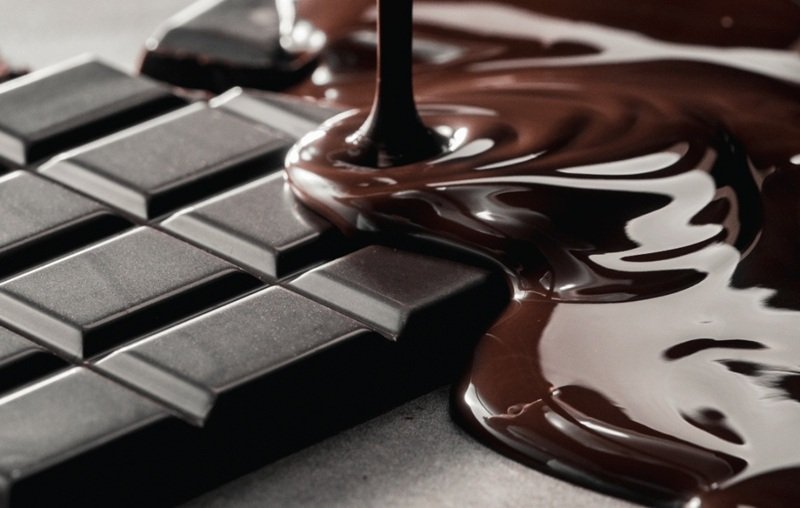
Chocolate confectionery is one of the most popular segments of the global food and consumer products industry. From simple chocolate bars to filled chocolates, wafers, coated snacks, and premium gifting options, chocolate-based products are enjoyed by consumers across different age groups and occasions.
The appeal of chocolate confectionery goes beyond sweetness. Consumers are attracted to different combinations of flavour, texture, convenience, packaging, and product experience. As tastes continue to evolve, confectionery companies are introducing new formats and flavour combinations to remain relevant in a competitive market.
This article explores what chocolate confectionery is, the different types available, why it remains popular, and how changing consumer preferences are shaping the category.
What Is Chocolate Confectionery?
Chocolate confectionery refers to sweet food products in which chocolate or cocoa-based ingredients play a central role.
The category can include products such as chocolate bars, filled chocolates, chocolate-coated wafers, truffles, pralines, chocolate candies, and other cocoa-based treats.
The ingredients and composition can vary depending on the product. Common ingredients may include cocoa solids, cocoa butter, sugar, milk ingredients, nuts, wafers, flavourings, and fillings.
Different combinations of these ingredients create a wide variety of flavours and textures.
Types of Chocolate Confectionery
The chocolate confectionery market includes many different product formats designed to meet different consumer preferences.
Chocolate Bars
Chocolate bars are among the most familiar types of chocolate confectionery. They may be made using milk chocolate, dark chocolate, or other chocolate-based formulations.
Some bars contain additional ingredients such as nuts, crisped ingredients, caramel-style layers, wafers, or flavoured fillings.
Their convenient format makes them suitable for individual consumption and on-the-go snacking.
Filled Chocolates
Filled chocolates combine an outer chocolate layer with an internal filling.
The filling may provide a creamy, crunchy, chewy, or smooth texture. Depending on the product, fillings can include nuts, creams, fruit-inspired flavours, caramel-style centres, or other ingredients.
This combination of textures is one reason filled chocolates remain popular.
Chocolate-Coated Wafers
Chocolate-coated wafers combine crispy wafer layers with chocolate or chocolate-flavoured coatings.
The contrast between crunch and smoothness creates a distinctive eating experience.
Wafer-based products are commonly available in different sizes and packaging formats, making them suitable for individual treats as well as sharing.
Premium and Gifting Chocolates
Chocolate confectionery is often associated with gifting and celebrations.
Premium products may focus on specialised ingredients, distinctive flavour combinations, decorative presentation, or gift-oriented packaging.
These products can be purchased for festivals, birthdays, celebrations, and other special occasions.
Chocolate Candies and Bite-Sized Treats
Small chocolate-based treats provide convenient portion sizes and can be easy to share.
They may be individually wrapped or sold in multipacks and can include a variety of textures and fillings.
Why Is Chocolate Confectionery So Popular?
One of the main reasons for the continued popularity of chocolate confectionery is variety.
Consumers can choose between smooth, crunchy, chewy, nutty, creamy, or filled products depending on their preferences.
Chocolate is also connected with enjoyment and special occasions. People may purchase it as a personal treat, share it with friends and family, or give it as a gift.
The category is also highly adaptable. Manufacturers can introduce new flavours, ingredients, packaging formats, and product experiences to attract different consumer groups.
This ability to innovate helps chocolate remain relevant in changing consumer markets.
The Importance of Flavour and Texture
A successful chocolate product often delivers more than one sensory experience.
Some consumers prefer smooth and creamy chocolate, while others enjoy the contrast of chocolate with crunchy wafers or nuts.
Texture can significantly influence how consumers experience a confectionery product. A combination of multiple textures can make a product feel more distinctive.
Flavour innovation also plays an important role. Traditional chocolate profiles remain popular, but manufacturers continue to explore combinations inspired by fruits, nuts, spices, desserts, and other familiar tastes.
Chocolate Confectionery in India
India’s confectionery market includes a wide range of domestic and international brands.
Consumer preferences vary across regions, age groups, and price segments. Some consumers may prefer affordable everyday treats, while others may look for premium chocolates for gifting or special occasions.
The market has also created opportunities for companies to introduce products based on local taste preferences and convenient formats.
DS Group operates across several consumer-focused categories, including confectionery. Its presence in the broader consumer products market reflects the importance of product variety and changing preferences within India’s food and confectionery landscape.
How Packaging Influences Chocolate Confectionery
Packaging is an important part of the chocolate experience.
It helps protect the product and provides consumers with information about ingredients, nutritional values, allergens, storage instructions, and other product details.
Packaging can also influence purchasing decisions.
Bright and attractive packaging may help a product stand out, while premium designs can make chocolates more suitable for gifting.
Convenient pack sizes can also support different consumption occasions, from individual treats to family sharing.
Innovation in Chocolate Confectionery
Innovation continues to shape the chocolate confectionery industry.
Companies may develop new products by combining chocolate with different textures, ingredients, and flavours. Packaging innovation can also improve convenience and product presentation.
However, successful innovation should not simply focus on being different. Products need to offer an experience that consumers actually value.
Consumer research, product testing, and changing market trends can help manufacturers understand what types of flavours and formats are likely to appeal to their audience.
What Should Consumers Check Before Buying Chocolate Confectionery?
When purchasing chocolate confectionery, consumers should consider their taste preferences as well as the information provided on the product label.
The ingredients can vary significantly between products. People with food allergies or dietary restrictions should carefully review allergen declarations and ingredient lists.
Storage instructions should also be followed to help maintain product quality.
Consumers should check that packaging is properly sealed and review the relevant best-before or expiry information before consumption.
Frequently Asked Questions About Chocolate Confectionery
What is chocolate confectionery?
Chocolate confectionery refers to sweet products made using chocolate or cocoa-based ingredients. Examples include chocolate bars, filled chocolates, wafers, truffles, pralines, and other chocolate-based treats.
What are the different types of chocolate confectionery?
Common types include milk chocolate, dark chocolate, filled chocolates, chocolate bars, chocolate-coated wafers, truffles, pralines, and bite-sized chocolate treats.
Why is chocolate confectionery popular?
Chocolate confectionery is popular because of its variety of flavours, textures, formats, and consumption occasions. It can be enjoyed as an individual treat, shared with others, or used for gifting and celebrations.
How should chocolate confectionery be stored?
Storage requirements can vary by product. Consumers should follow the instructions on the packaging and avoid conditions that may negatively affect the product’s texture or quality.
Can chocolate confectionery contain allergens?
Yes. Depending on the product, chocolate confectionery may contain or be manufactured with ingredients associated with common allergens, such as milk, soy, nuts, or gluten-containing ingredients. Consumers should always check the product label.
The Future of Chocolate Confectionery
The future of chocolate confectionery will continue to be shaped by changing consumer expectations.
Convenience, flavour innovation, attractive packaging, and product variety are likely to remain important. At the same time, consumers are increasingly interested in understanding product ingredients and making choices based on their individual preferences.
Companies will need to balance innovation with quality and consistency while creating products that suit different consumer needs.
In a highly competitive market, brands that understand consumer behaviour and deliver enjoyable product experiences are more likely to maintain long-term relevance.
Final Thoughts
Chocolate confectionery remains one of the most versatile and widely enjoyed categories in the consumer products industry.
From classic chocolate bars and filled chocolates to crunchy wafer combinations and premium gifting products, the category offers something for a wide range of tastes and occasions.
Its continued popularity is driven by flavour, texture, convenience, and emotional connections with celebrations and everyday enjoyment.
As consumer preferences evolve, companies such as DS Group and other businesses operating in the confectionery market will continue to explore new opportunities for product development and innovation.
Whether purchased as a small personal treat, shared with family and friends, or selected as a gift, chocolate confectionery continues to hold an important place in the global and Indian consumer market.