
Consequences of Child Labour: Why Every Child Deserves a Childhood
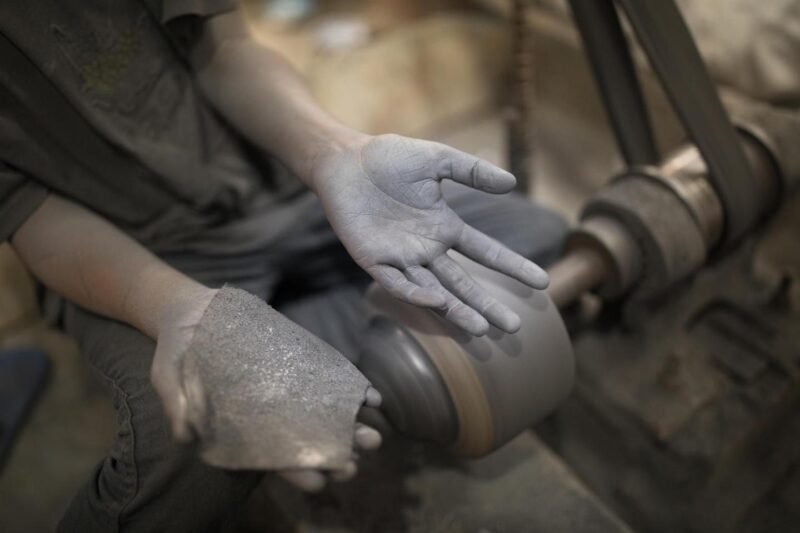
Child labour remains one of the most pressing social issues in India and across the world. Despite laws and policies designed to protect children, many are still forced to work in hazardous conditions instead of attending school and enjoying their childhood. Child labour deprives children of their fundamental rights, affects their physical and mental well-being, and limits their future opportunities.
Understanding the consequences of child labour is essential to creating awareness and encouraging collective action. Organizations like CRY India continue to work towards ensuring that every child has access to education, healthcare, protection, and a safe environment to grow.
What Is Child Labour?
Child labour refers to the employment of children in work that interferes with their education, health, development, or dignity. It often involves long working hours, unsafe environments, and activities that are unsuitable for a child’s age and development.
Children engaged in labour may work in factories, construction sites, agriculture, domestic work, roadside businesses, and other sectors where they are vulnerable to exploitation.
Major Consequences of Child Labour
1. Loss of Education
One of the most significant consequences of child labour is the denial of education. Children who work often miss school or drop out completely, making it difficult for them to acquire the knowledge and skills needed for a better future.
Without education, children are more likely to remain trapped in low-paying jobs and poverty throughout their lives.
2. Physical Health Risks
Many child labourers work in dangerous environments that expose them to injuries, harmful chemicals, heavy machinery, and extreme weather conditions. Such conditions can lead to:
- Chronic illnesses
- Respiratory problems
- Physical injuries
- Malnutrition
- Developmental issues
These health challenges can have long-term effects that continue into adulthood.
3. Mental and Emotional Impact
Child labour can significantly affect a child’s mental health. Long working hours, workplace abuse, stress, and lack of social interaction may result in anxiety, depression, low self-esteem, and emotional trauma.
Children who are deprived of a nurturing environment often struggle with confidence and emotional well-being later in life.
4. Increased Risk of Exploitation
Working children are particularly vulnerable to exploitation, abuse, trafficking, and violence. Many lack legal protection and are unable to report mistreatment due to fear, lack of awareness, or economic dependence.
This exploitation further violates their rights and places them in unsafe situations.
5. Cycle of Poverty
Child labour and poverty are closely connected. Families facing financial hardship may rely on children’s earnings for survival. However, when children miss educational opportunities, they often grow up with limited employment prospects.
As a result, poverty continues across generations, creating a cycle that becomes difficult to break.
6. Social and Economic Consequences
Child labour not only harms individual children but also affects society as a whole. A workforce lacking education and skills can slow economic growth and reduce productivity. Countries with higher rates of child labour often face challenges in achieving sustainable development and social progress.
Investing in children’s education and protection contributes to stronger communities and a more prosperous future.
How Can Child Labour Be Prevented?
Addressing child labour requires collective efforts from governments, communities, schools, families, and civil society organizations. Key measures include:
- Ensuring access to quality education
- Strengthening child protection systems
- Raising awareness about child rights
- Supporting vulnerable families economically
- Enforcing child labour laws effectively
Organizations such as CRY India work with communities and stakeholders to create sustainable solutions that help children stay in school and live free from exploitation.
Conclusion
The consequences of child labour extend far beyond childhood. It affects education, health, emotional well-being, and future opportunities while perpetuating poverty and inequality. Every child deserves a safe environment, quality education, and the chance to achieve their full potential.
By working together to eliminate child labour and protect children’s rights, we can help create a future where every child enjoys a healthy, happy, and dignified childhood.
FAQs
1. What are the main consequences of child labour?
The major consequences include loss of education, poor health, emotional trauma, exploitation, and limited future opportunities.
2. How does child labour affect education?
Child labour often forces children to miss school or drop out, preventing them from gaining essential knowledge and skills.
3. Why is child labour harmful to children’s health?
Children working in unsafe environments may suffer from injuries, illnesses, malnutrition, and long-term health problems.
4. What causes child labour?
Poverty, lack of access to education, social inequality, and weak enforcement of child protection laws are common causes.
5. How can society help end child labour?
Supporting education, raising awareness, strengthening child protection measures, and assisting vulnerable families can help eliminate child labour.