


What Employers Expect from Modern Senior Leaders Today
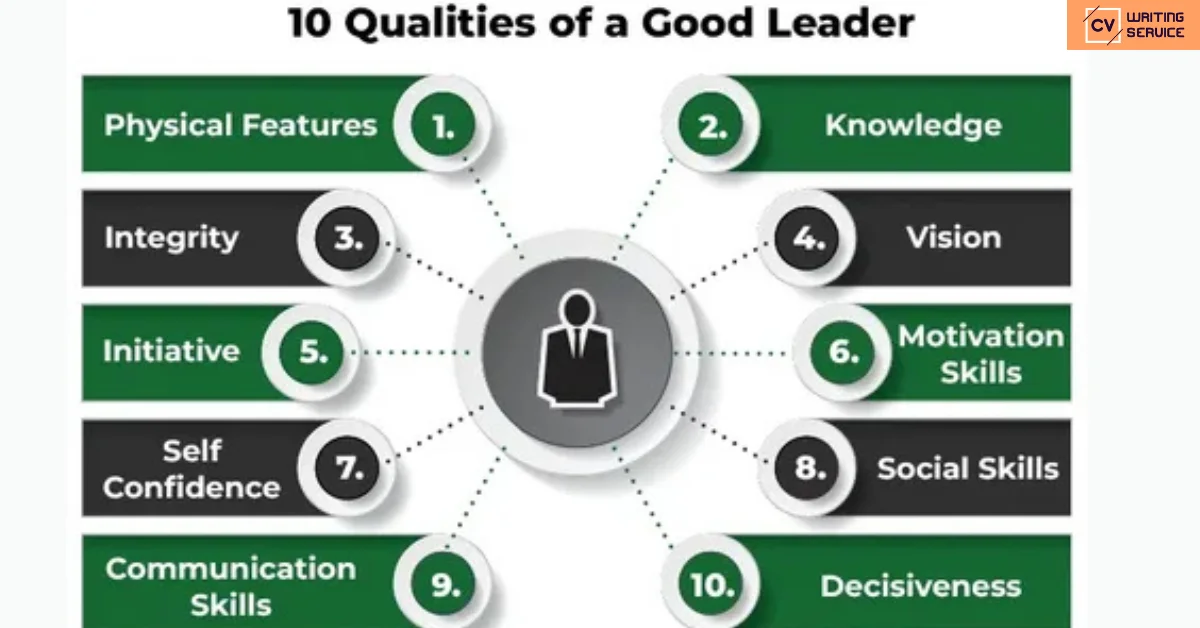
The expectations of senior leadership have changed drastically over the last few years. Get informed about what employers expect and learn what you need to become an effective senior leader in the current market.
Moving from Expectations to Real-World Leadership Reality
Modern leadership looks nothing like leadership ten years ago. It doesn’t require experience anymore. Neither do job titles provide authority to the individual holding that position. Employers pay attention to the way a leader thinks and behaves under pressure. They want people who can influence others.
Businesses themselves are changing rapidly, and they expect the same from their leaders. Thus, the change makes leadership positions highly competitive yet extremely performance-oriented.
Businesses nowadays don’t hire people to lead employees. They hire people who can direct, inspire, and produce tangible results.
Strategic Thinking Is No Longer Optional
In the international arena, particularly for Senior Leadership Roles in Ireland, companies seek out individuals who can manage complexity and make decisive choices.
A major requirement in modern leadership is strategic thinking. Employers anticipate that leaders will not only concentrate on existing processes but also possess the ability to envision the future and plan accordingly.
Strategic thinking implies being aware of business development directions, foreseeing potential threats, and predicting how specific actions will influence future outcomes. Besides, it requires linking the various departments of a company rather than operating with a single department.
The need for strategic thinking is visible in Senior Leadership Roles, where the person has to lead an entire business division or the whole organization through growth, change, or any adversity.
Communication That Builds Alignment
Leadership communication remains one of the most undervalued aspects; yet, it determines whether an organization succeeds or fails.
Employers expect leaders to possess communication skills that help in aligning people towards the vision of the organization through direction and clarity.
In most companies, communication is the key to success in senior leadership roles. Even if a leader has a good strategy, failure to communicate it effectively means that it will not be executed properly.
Effective leaders also understand the importance of listening to team members. An important quality of leaders expected by employers includes the ability to listen to employees’ feedback and opinions.
Decision-Making in High-Pressure Environments
Senior leaders should also be able to make decisions under pressure. In today’s world, where everything seems to be happening fast, making no decisions because of fear of making mistakes may prove to be counterproductive.
The ability to make quick decisions based on analysis of information available and taking risks shows confidence in one’s ability to take a leadership role and make tough decisions.
In Senior Leadership Roles, it is all about making decisions, being responsible for their consequences, and learning from experience. Instead of trying to avoid taking any responsibility, leaders need to take responsibility and learn from their mistakes.
Pressurized situations arise quite frequently in senior leadership positions. When organizations face financial difficulties, restructuring, or other problems stemming from the external environment, the ability to make decisions in such times proves crucial.
Emotional Intelligence and Human-Centered Leadership
Modern leadership entails not only the strategic and tactical aspects, but it is also equally concerned about people. Emotional intelligence gains ever more prominence today due to its significance for effective performance and employee engagement.
Leaders are expected to know how their team members are feeling and why, and how they can help them overcome problems and difficulties. It involves handling disputes, fostering trust, and nurturing a culture where employees feel respected and listened to.
Senior leadership roles require greater emotional intelligence due to the scale of tasks that must be accomplished. Failure in this could lead to high turnover and poor team performance.
Results Matter More Than Experience
Leadership positions used to be assigned on the basis of seniority or official titles. This has shifted greatly. Now, businesses pay much more attention to results than to the experience.
There should be proof of business development, improved efficiency, better teamwork, and project completion. Results now play an important role and are the key to assessing leaders’ performance.
As a result, Senior Leadership Roles have become extremely result-oriented. They require constant justification of actions. Adaptability and personal development have become necessary traits of future leaders.
A single question by the organization remains in the center of attention: what has this leader done for the company? If there is no clear answer, it may be hard to compete with other candidates. This is why many professionals rely on a CV writing service Dublin to ensure their accomplishments are presented in the most compelling way.
Adaptability in a Rapidly Changing Environment
The business environment is currently experiencing rapid change due to technological advancements, globalization, and changing customer needs. Consequently, employers demand that the leaders possess the ability to adapt to change.
Adaptability entails the willingness to embrace changes, learn different processes, and effectively lead the employees during transitions without being distracted.
Adaptability is not a desirable trait in senior leadership roles.
It is mandatory because those who do not embrace change face challenges in meeting the evolving demands of the business environment.
FAQs
What does an employer want from a senior leader candidate?
An employer desires to hire someone who thinks strategically, is good with words, has high emotional intelligence, and can create positive business results.
Why do leaders need to be strategic?
Strategic thinking enables leaders to plan for future growth and take steps that will lead to success. It enables them to make decisions that are in line with the aims of the organization.
Why is it necessary for senior leaders to have good communication skills?
Communication plays a pivotal role in the leadership position, as it helps to clarify and align objectives and guide execution within teams.
What makes a Senior Leader successful?
A Senior Leader should have effective decision-making skills, be flexible to change, have leadership skills, and continuously produce business results.
Do countries, like Ireland, have varying criteria for a senior leadership position?
Some variations may occur depending on regional characteristics; however, most of the basic requirements will be the same. Candidates often use CV services Ireland to tailor their profiles to local employer expectations.
Conclusion
To wrap it up, expectations regarding the qualities of modern leaders have changed greatly.
Modern leaders need to be strategic thinkers, excellent communicators, decision-makers under pressure, emotionally intelligent individuals, and result-driven managers.
It is not enough for a leader to have experience; what counts is impact, flexibility, and the capacity to lead in complex situations.
Leaders aspiring to reach senior leadership positions should know that leadership is not only about authority and titles but also about influence and execution.