

Designing Annual Reports That Impress Stakeholders
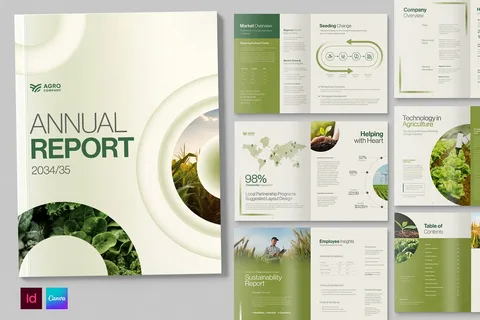
An effective annual report design does much more than present numbers and financial summaries. In today’s competitive business environment, companies need reports that communicate their achievements, values, and future direction in a visually engaging and professional way. A well-crafted annual report can strengthen stakeholder confidence, improve brand recognition, and create a lasting impression on investors, clients, employees, and partners.
Businesses across Australia are increasingly recognising the importance of transforming traditional reports into compelling communication tools. Modern design approaches combine storytelling, branding, and data visualisation to create reports that people actually want to read. Companies like Pepperit focus on helping organisations turn complex information into engaging annual reports that align with their brand identity and business goals.
Why Annual Reports Matter
Annual reports are often one of the most important corporate documents a company produces each year. They provide transparency about financial performance, operational achievements, and strategic direction. More importantly, they allow businesses to communicate their story in a structured and credible way.
A poorly designed report can overwhelm readers with dense text and difficult-to-read financial information. On the other hand, a professionally designed report improves readability and ensures stakeholders can easily understand the company’s key messages. This creates trust and positions the organisation as professional, organised, and forward-thinking.
Modern stakeholders expect more than spreadsheets and lengthy paragraphs. They expect reports that are visually appealing, easy to navigate, and informative. That is where strategic design becomes essential.
The Role of Design in Corporate Communication
Design plays a powerful role in shaping how information is received. Colours, typography, layouts, graphics, and imagery all contribute to the reader’s experience. A strong annual report design ensures important information stands out while maintaining consistency with the company’s overall branding.
Professional design can also simplify complex financial data. Infographics, charts, and visual summaries help readers quickly understand trends, achievements, and business growth. This approach improves engagement and increases the likelihood that stakeholders will fully review the report instead of skimming through it.
Many businesses also use annual reports as marketing assets. Beyond compliance requirements, these reports showcase company culture, achievements, innovation, and future goals. A well-designed report becomes a valuable promotional piece that reinforces credibility and strengthens reputation.
Key Elements of an Effective Annual Report
Clear Structure and Navigation
Readers should be able to move through the report effortlessly. Logical headings, clear sections, and a consistent layout help improve accessibility and understanding. A clean structure prevents information overload and creates a more professional presentation.
Strong Visual Branding
An annual report should reflect the company’s brand identity. Consistent colours, typography, and visual styles reinforce recognition and professionalism. This helps stakeholders immediately connect the report with the organisation.
Engaging Storytelling
Financial information alone rarely captures attention. Including success stories, milestones, achievements, and future plans adds personality and meaning to the report. Storytelling helps businesses create emotional connections with their audience.
Data Visualisation
Charts, graphs, and infographics are essential in modern reporting. They transform complicated statistics into easy-to-understand visuals. This improves engagement and makes the report more accessible to a wider audience.
High-Quality Imagery
Professional photography and branded visuals enhance credibility and add visual interest. Images of leadership teams, employees, projects, and community involvement help humanise the organisation and strengthen stakeholder connection.
Digital Annual Reports Are Growing
As technology evolves, many organisations are moving beyond printed reports and embracing digital formats. Interactive PDFs and online reports allow businesses to reach wider audiences while reducing printing costs.
Digital annual reports offer several advantages:
- Interactive navigation and clickable sections
- Mobile-friendly viewing experiences
- Embedded videos and animations
- Easier sharing across platforms
- Environmentally sustainable distribution
Digital reports also allow companies to update content more efficiently and improve accessibility for different users. This modern approach reflects innovation and adaptability, qualities many stakeholders value highly.
How Professional Design Improves Stakeholder Trust
Trust is one of the most important factors in business relationships. Stakeholders want to feel confident that a company is transparent, reliable, and professionally managed. A polished annual report reinforces this trust by demonstrating attention to detail and commitment to quality communication.
A thoughtfully designed report also shows that the company values its audience. When information is easy to read and visually engaging, stakeholders are more likely to remain interested and informed. This can positively influence investors, board members, clients, and even potential partners.
Organisations that invest in professional reporting often stand out from competitors. Their reports reflect confidence, stability, and strategic thinking, all of which contribute to a stronger brand image.
Trends Shaping Annual Report Design
Annual report design continues to evolve with changing audience expectations and technology. Some of the leading trends include:
Minimalist Layouts
Clean, uncluttered designs with strong white space improve readability and create a modern appearance.
ESG and Sustainability Reporting
Businesses are increasingly highlighting environmental, social, and governance initiatives in their annual reports. Stakeholders now expect transparency around sustainability efforts and social impact.
Interactive Experiences
Digital reports with animations, embedded videos, and interactive features create more engaging user experiences.
Bold Typography
Large, impactful typography helps emphasise key messages and improve visual hierarchy.
Custom Illustrations and Infographics
Businesses are moving beyond generic graphics and using customised visuals that align with their branding and storytelling.
These trends help organisations create reports that feel modern, engaging, and relevant to today’s audiences.
Choosing the Right Design Partner
Creating an effective annual report requires both creative expertise and strategic thinking. Businesses should work with agencies or designers who understand branding, communication, and stakeholder engagement.
A good design partner will focus on more than appearance. They will help structure information, simplify complex data, and ensure the final report aligns with business objectives. Experience in corporate reporting is also important, especially when working with compliance requirements and tight deadlines.
Professional agencies understand how to balance creativity with clarity. This combination is essential for producing reports that are both visually impressive and highly functional.
Conclusion
A professionally developed annual report is one of the most valuable communication tools a business can have. It helps organisations present achievements, strengthen stakeholder relationships, and reinforce brand credibility. Through thoughtful storytelling, strategic layouts, and engaging visuals, modern annual reports can transform complex information into meaningful communication.
Businesses looking to elevate their reporting and create a stronger impact can benefit from expert support and creative direction. With experience in branding, design, and communication, Pepperit helps organisations deliver annual reports that are visually engaging, informative, and aligned with long-term business goals.