
How to Choose the Right RV Battery for Your Adventures
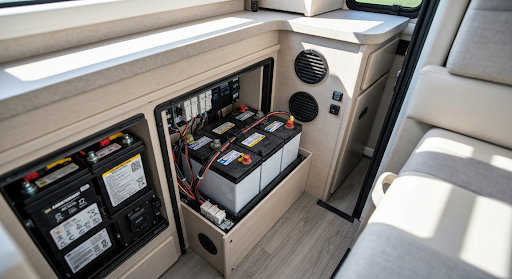
When planning a long road trip in your RV, one of the most critical decisions you’ll make is selecting the right battery. With so many options available, ensuring you have the best power source for your needs can be daunting. This guide will walk you through everything you need to know about choosing the perfect battery for your RV adventures.
Understanding the Basics of RV Batteries
Before diving into the specifics, it’s essential to understand the basics of RV batteries. Unlike car batteries, RV batteries are designed to provide a steady amount of power over a long period. They are built to handle deep discharges and recharge cycles, which is crucial for powering your RV’s various appliances and systems.
There are primarily two types of RV batteries: starter batteries and deep cycle batteries. Starter batteries are similar to car batteries and are used to start the engine. However, for the rest of your power needs, you’ll rely on recreational vehicle batteries designed for deep cycling.
Why Deep Cycle Batteries Are Essential
Deep cycle batteries are the backbone of any RV’s power system. Unlike starter batteries, which provide a short burst of energy, deep cycle batteries deliver a steady amount of power over time. This makes them ideal for running appliances, lights, and other electronics in your RV.
Types of Deep Cycle Batteries
When it comes to deep cycle batteries, there are several options to consider:
- Flooded Lead Acid Batteries: These are the most common and affordable type. They require regular maintenance, including checking water levels and cleaning terminals.
- Absorbent Glass Mat (AGM) Batteries: These are sealed and maintenance-free. They have a higher tolerance for deep discharges and are less susceptible to vibration damage.
- Lithium-Iron Phosphate (LiFePO4) Batteries: Although more expensive, they offer the longest lifespan, are lightweight, and have the fastest recharge times.
Choosing Between Marine and RV Deep Cycle Batteries
Many RV owners wonder if they can use a deep cycle marine battery for RV purposes. While marine and RV batteries share similarities, it’s essential to understand their differences.
A marine RV deep cycle battery is typically designed to handle the vibration and movement associated with boats. They are built to withstand harsher conditions but often come at a higher cost. If your travels involve rough terrains or you require a more robust battery, considering a marine-grade option might be worthwhile.
Factors to Consider When Selecting Your RV Battery
Selecting the right RV battery involves more than just choosing the type. Here are some critical factors to keep in mind:
- Capacity: Measured in amp-hours (Ah), capacity indicates how much energy a battery can store. Consider your daily energy consumption to determine the necessary capacity.
- Size and Weight: Ensure the battery fits your RV’s designated space and doesn’t add excessive weight.
- Longevity: Look for batteries with a high cycle life to ensure longevity and reduce replacement frequency.
- Maintenance: Decide whether you’re willing to perform regular maintenance or prefer a maintenance-free option.
- Budget: While it’s tempting to go for the cheapest option, investing in a high-quality battery can save money in the long run through reduced maintenance and replacement costs.
Expert Insights and Recommendations
According to industry experts, lithium batteries are becoming increasingly popular for RV use due to their efficiency and long lifespan. A lithium battery can last up to 10 times longer than a standard lead acid battery, offering more value despite the higher upfront cost.
Additionally, using multiple batteries in a bank setup can provide additional power and redundancy, ensuring that you never run out of juice on your adventures.
Tips for Maximizing Battery Life
To get the most out of your RV battery, follow these maintenance tips:
- Regularly Check Voltage Levels: Ensure your battery is not discharged below 50% to prolong its life.
- Keep Terminals Clean: Corrosion can impact performance, so clean terminals regularly.
- Store Properly: If you’re not using your RV, store the battery in a cool, dry place and keep it charged.
- Invest in a Battery Monitor: This helps keep track of battery usage and charging status, preventing over-discharge or overcharging.
Conclusion
Choosing the right RV battery is crucial for ensuring a smooth and enjoyable journey. By understanding the differences between battery types and considering factors like capacity, size, and maintenance, you can make an informed decision that suits your needs. Whether you opt for a traditional lead acid, AGM, or lithium option, the right choice will keep your adventures powered for years to come.