

How 3D Rendering Services Help Architectural Concepts Come to Life as Visual Experiences
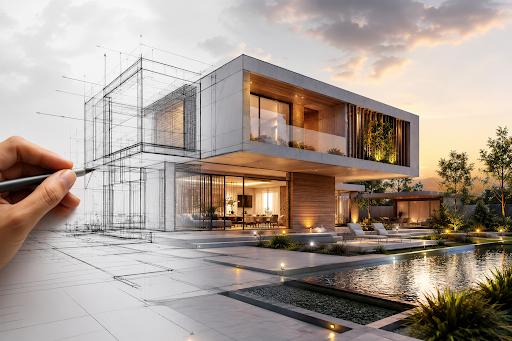
Visualization has become an integral part of the process of turning an idea into reality, when it comes to today’s fast-paced architecture and construction industry. 3D rendering services is one of the most influential tools that brought this transformation. They fill the gap between what we can imagine and what we can actually create by turning architectural visions into incredibly lifelike visual experiences. 3D rendering allows stakeholders to understand designs clearly before construction even begins, from residential homes through complexes.
What Are 3D Rendering Services?
Services: 3D rendering entails the use of software programs to produce images or animations of architecture. These images are hyper-realistic representations of buildings, interiors, landscapes and structures. What makes 3D renderings more beneficial than traditional 2D drawings is that they provide increased depth, surface texture, lighting effects and environmental context to a design which helps a viewer see and understand the design in a truly immersive manner. Architects, designers and real estate developers use these services to convey ideas clearly to clients, investors and construction teams.
Turning Concepts into Visual Reality
Probably the most obvious benefit of 3D rendering services is that it turns an abstract idea into realistic visuals. The first reason is that the clients face a complex way of understanding technical drawings since they are in the design stage. But when it comes to 3D visualization, they can see precisely what a building will look like after completion. This involves proper allocation of materials, including lighting conditions, location of furniture and the surrounding landscape. This enables quicker and more accurate decision-making while mitigating miscommunication between design teams or input errors.
Enhancing Communication in Architecture
No matter the construction, communication is an essential part of it. Design plans are easily misinterpreted especially in large and complex projects open to error, leading to expensive mistakes, delays. This is where 3D rendering comes into play, as it provides everyone with a visual to follow. 3D visuals make sure that no matter whether it is an architect presenting a concept, or a contractor planning execution or the client approving a design. This allows for more seamless collaboration and helps projects to sail through.
Improving Design Accuracy and Flexibility
The flexibility of design is another significant advantage of 3D rendering services. No need to rebuild physical models when architects can quickly change items like layout, materials & colors— even lighting. You can see those changes in real time, which means you can experiment and optimize. Moreover, this flexibility is also useful to ensure that the final design is both functional and pleasing to the eye. It also minimizes the chances of errors while construction happens resulting in saving time and cost in the long run.
How to Amplify Marketing and Sales for Real Estate
Presentation is everything when it comes to real estate. Both areas where developers can gain from market properties before construction commences through the 3D renderings. This allows potential purchasers to take virtual tours, explore interiors, and ‘get a feel for’ living rooms in fine detail. This adds to the confidence of the buyer, which speeds up the sales. Professional 3D visualizations tend to capture significantly more attention as well as higher engagement rates than sketches and blueprints
Supporting Better Project Planning
Project Planning — Here, three-dimensional rendering service is also significant. Visualizing the entire structure beforehand allows architects and engineers to nip potential design flaws, structural issues or space inefficiencies in the bud. This helps to mitigate construction risk, resource use is also better managed. It results in more efficient and cost effective execution of the projects at hand.
Conclusion
3D rendering services provide a way to bring designs into the realm of realistic visual representation in an architectural setting. They have improved communication, better design efficiency, support improved planning, and bolster marketing. With the construction and real estate landscape becoming increasingly competitive, these are no longer optional services—they’re requirements. With ongoing technological innovation, 3D rendering will even grow to facilitate more interactive experiences bringing architecture visions closer than reality.