

Is Weight Loss Possible Without Going to the Gym Daily?
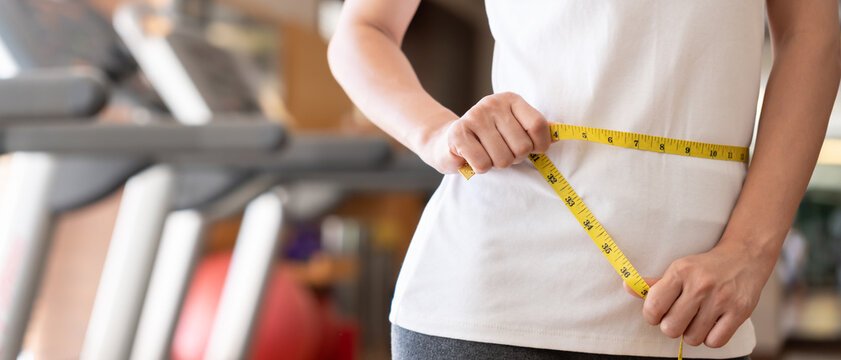
Achieving Weight Loss is a goal for many people, but one of the most common questions is whether it is possible without spending hours at the gym every day. At First Care Family Clinic, patients often express concern about busy routines, lack of time, or physical limitations that make daily gym workouts difficult. The good news is that weight loss is absolutely possible without going to the gym daily, as long as you focus on consistent lifestyle habits, nutrition control, and sustainable activity patterns that fit into real life.
Understanding Weight Loss Without Gym Dependency
Weight loss is primarily driven by a calorie deficit, meaning your body burns more energy than it consumes. While exercise supports this process, it is not the only factor. Many people assume that intense gym sessions are mandatory for fat loss, but in reality, daily habits like food choices, movement throughout the day, sleep quality, and stress levels play a much larger role.
When the body receives fewer calories than it needs for maintenance, it begins using stored fat for energy. This process can happen regardless of gym attendance. However, the key difference between gym-based and non-gym-based weight loss is how efficiently and sustainably the results are achieved.
The Role of Nutrition in Weight Loss Success
One of the strongest factors in successful Weight Loss is diet. What you eat every day has a greater impact than how much time you spend exercising. Even without gym workouts, a well-balanced diet can create a consistent calorie deficit that leads to fat loss.
A healthy eating plan should focus on whole foods such as lean proteins, vegetables, fruits, and complex carbohydrates. These foods not only support metabolism but also keep you full for longer periods, reducing unnecessary snacking. Processed foods, sugary drinks, and excessive fried items often slow down progress because they increase calorie intake without providing proper nutrition.
Portion control is another essential aspect. Even healthy foods can contribute to weight gain if consumed in large quantities. Mindful eating, paying attention to hunger signals and avoiding emotional eating can significantly improve results without needing strict gym routines.
Can Daily Movement Replace Gym Workouts?
Daily physical movement, also known as NEAT (Non-Exercise Activity Thermogenesis), plays a major role in burning calories. This includes activities like walking, cleaning, climbing stairs, gardening, or even standing instead of sitting for long hours.
These small movements may not feel like exercise, but they contribute significantly to daily calorie expenditure. People who stay active throughout the day often burn more calories than those who go to the gym for one hour but remain sedentary for the rest of the day.
Simple changes such as walking after meals, using stairs instead of elevators, or taking short movement breaks during work can create noticeable improvements in weight management over time.
Home-Based Exercise Options for Weight Loss
While gym workouts are not necessary, incorporating light exercise at home can accelerate results. The goal is not intensity but consistency. Even 15,30 minutes of movement daily can support fat loss and improve overall health.
Bodyweight exercises such as squats, push-ups, planks, and stretching routines are highly effective. These exercises help maintain muscle strength, improve metabolism, and enhance flexibility without requiring any equipment.
Walking indoors, following online fitness videos, or practicing yoga are also excellent alternatives. Yoga, in particular, helps reduce stress, which is often linked to weight gain. When stress levels decrease, hormonal balance improves, making weight loss easier.
Importance of Lifestyle Habits in Weight Loss
Lifestyle choices have a direct impact on body weight. Sleep, stress management, hydration, and daily routine all influence how the body processes food and stores fat.
Poor sleep can disrupt hormones that control hunger, leading to increased cravings and overeating. Similarly, chronic stress raises cortisol levels, which can encourage fat storage, especially around the abdominal area.
Staying hydrated also supports metabolism and helps control appetite. Sometimes, the body confuses thirst with hunger, leading to unnecessary calorie intake. Drinking enough water throughout the day can naturally reduce this issue.
Building a structured daily routine that includes meal timing, movement, rest, and relaxation improves overall balance and supports long-term weight control without gym dependency.
Behavioral Changes That Support Weight Loss
Successful weight loss is not just physical it is deeply connected to behavior and mindset. Many people struggle not because they lack knowledge, but because they find it difficult to maintain consistency.
Developing awareness around eating habits is crucial. Emotional eating, boredom eating, and stress-driven food choices can all slow down progress. Learning to recognize these patterns allows individuals to replace unhealthy behaviors with better alternatives such as walking, drinking water, or engaging in a hobby.
Setting realistic goals also plays a major role. Instead of focusing on rapid weight loss, aiming for steady and sustainable progress helps maintain motivation over time. Small improvements each week eventually lead to significant long-term results.
Why Gym Is Helpful but Not Mandatory
While gym workouts offer benefits such as structured training, equipment access, and professional guidance, they are not essential for weight loss. The body responds to overall energy balance, not just exercise intensity.
Gym training can accelerate results and help build muscle, but similar outcomes can be achieved through home workouts and active lifestyle habits. The most important factor is consistency, not location.
Many people successfully lose weight without ever stepping into a gym by focusing on diet control, daily movement, and behavioral changes. This proves that fitness is flexible and adaptable to different lifestyles.
Medical Support and Professional Guidance
In some cases, weight loss may require additional support, especially when underlying health conditions such as hormonal imbalance, thyroid issues, or metabolic disorders are present. Professional evaluation helps identify these barriers and create a personalized plan.
Medical guidance ensures that weight loss strategies are safe, realistic, and tailored to individual needs. This approach reduces the risk of extreme dieting or unhealthy methods that may harm long-term health.
Working with healthcare professionals also provides accountability, which improves adherence to lifestyle changes and increases the chances of success.
Conclusion
Weight loss without going to the gym daily is not only possible but also highly achievable with the right approach. By focusing on nutrition, daily movement, lifestyle habits, and behavioral changes, individuals can effectively manage their weight without structured gym routines. At First Care Family Clinic, patients are guided toward realistic and sustainable strategies that fit their lifestyle while ensuring long-term health benefits. The key to successful Weight Loss is consistency, not complexity, and small daily improvements can lead to lasting transformation.
FAQs
Q1. Can I really lose weight without going to the gym?
Yes, weight loss is possible through diet control, daily activity, and lifestyle changes even without gym workouts.
Q2. How important is diet compared to exercise?
Diet plays a bigger role in weight loss than exercise because calorie intake directly affects fat storage.
Q3. What is the best home exercise for weight loss?
Walking, bodyweight exercises, yoga, and light cardio are effective options for home-based weight loss.
Q4. How long does it take to see results without gym workouts?
Results vary, but noticeable changes usually appear within a few weeks of consistent healthy habits.
Q5. Is gym necessary for fast weight loss?
No, gym is helpful but not necessary. Consistency in diet and activity is more important for sustainable results.