
How Accessibility and Nearby Basic Facilities Influence Plot Demand Today
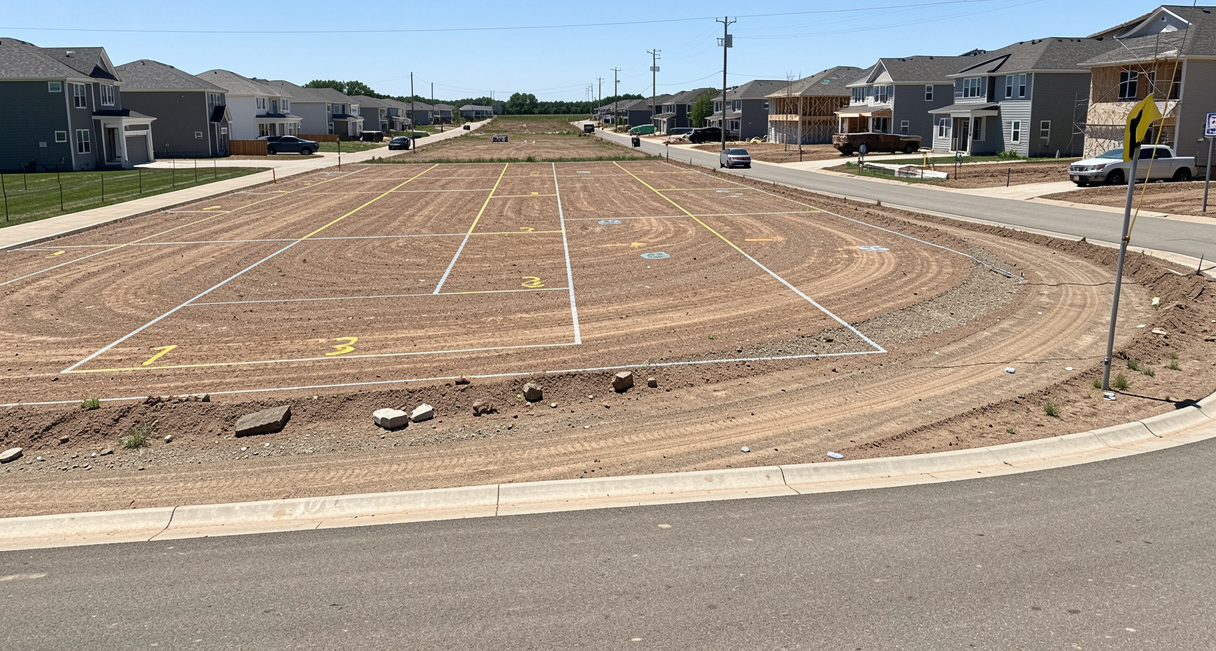
A buyer once stood at two different sites on the same day. One plot was slightly cheaper but far from main roads, with no schools or shops nearby. The second one cost a bit more but had smooth road access, a nearby market, and visible development. He paused and said, “Both look good, but one feels livable.” That feeling explains how Plot Demand works today.
The direct answer is this: accessibility and Basic Facilities strongly influence demand for best plots because buyers prioritize convenience, connectivity, and long-term usability over price alone.
Let’s break this down in a clear and practical way.
Why Plot Demand Depends on Daily Convenience
Plot demand is no longer only about buying land. It is about future living experience.
Buyers imagine daily life before making a decision. They think about travel time, nearby schools, grocery access, and safety. If these elements are missing, interest drops even if the price is attractive.
Convenience creates confidence. When buyers feel that a plot can easily turn into a comfortable home or business space, demand increases naturally.
This shift in thinking has changed how people evaluate land in modern real estate markets.
What Does Accessibility Really Mean in Real Estate?
Accessibility means how easily people can reach a location.
It includes road quality, distance from main highways, public transport availability, and travel time to important areas like workplaces or city centers.
A well-connected plot saves time and improves daily comfort. Poor access creates inconvenience, which reduces interest.
Accessibility also affects resale potential. Buyers prefer plots that are easy to reach, making them easier to sell in the future.
DID YOU KNOW?
Urban planning research shows that properties located near major roads and transport routes attract significantly higher buyer interest compared to isolated areas.
How Road Networks Shape Plot Demand
Road infrastructure is one of the strongest drivers of demand.
A plot connected to wide, well-maintained roads immediately becomes more valuable. It allows easy movement for residents, construction materials, and future business activity.
Areas with poor or narrow roads often struggle to attract buyers, even if prices are low.
Road development signals growth, and growth attracts demand.
Why Basic Facilities Matter More Than Ever
Basic Facilities define how practical a location is for everyday life.
Buyers look for electricity, water supply, gas availability, drainage systems, and nearby essential services.
Without these facilities, a plot may remain unused for years. With them, it becomes ready for construction and living.
Modern buyers do not want to wait too long for basic utilities. They prefer areas where development is already visible or progressing quickly.
Key Basic Facilities That Increase Plot Demand
- Electricity and water supply availability
- Proper sewage and drainage systems
- Nearby schools and healthcare centers
- Grocery stores and daily-use shops
- Security and organized community planning
These features create a sense of readiness, which increases buyer confidence.
How Nearby Schools and Hospitals Affect Demand
Families prioritize education and healthcare when choosing a location.
Plots near schools and hospitals attract more attention because they reduce travel time and provide convenience.
Parents prefer areas where children can easily access education, while healthcare facilities ensure safety and peace of mind.
This combination increases long-term demand for residential areas.
DID YOU KNOW?
Real estate studies show that properties located near schools and hospitals often maintain stronger demand and resale value compared to areas without these facilities.
Why Commercial Activity Boosts Plot Value
Nearby markets and business areas play a major role in demand.
When shops, restaurants, and offices are close to a plot, daily life becomes easier. People do not need to travel far for basic needs.
This convenience increases interest in both residential plots and commercial plots.
Commercial activity also creates job opportunities, which attracts more residents and strengthens demand further.
Comparison Table: Plots with Facilities vs Plots Without Facilities
| Feature | Plots with Accessibility and Facilities | Plots Without Facilities |
| Demand Level | High demand due to convenience, connectivity, and ready-to-use environment | Low demand because buyers see inconvenience and future uncertainty |
| Construction Readiness | Immediate or short-term construction possible due to available utilities | Delayed construction due to lack of basic infrastructure |
| Resale Value | Strong resale potential because future buyers prefer developed areas | Limited resale opportunities due to low buyer interest |
| Lifestyle Comfort | Better living experience with nearby schools, markets, and healthcare | Difficult lifestyle with long travel distances for basic needs |
How Accessibility Supports Long-Term Investment Value
Accessibility is not only about present convenience. It also affects future value.
Areas connected to highways, transport systems, and commercial zones grow faster over time.
As cities expand, these areas become central locations instead of outskirts. This increases land value and demand.
Investors who focus on accessibility often benefit from stronger appreciation.
Role of Public Transport in Plot Demand
Public transport adds another layer of accessibility.
Plots located near bus routes or transport hubs attract buyers who rely on daily commuting.
This is especially important in large cities where traffic and travel time can affect lifestyle quality.
Transport connectivity increases both residential and commercial appeal.
Why Buyers Prefer Best Plots in Developed Areas
The term best plots usually refer to plots in well-developed or rapidly developing areas.
These plots offer a combination of accessibility, infrastructure, and nearby facilities.
Buyers are willing to pay more for such plots because they reduce risk and increase comfort.
This preference keeps demand strong in organized developments.
How Installment Options Increase Accessibility to Buyers
Payment flexibility also affects demand.
Many buyers search for plots on installment in Karachi because it allows them to invest without large upfront payments.
Installment plans make plots accessible to a wider audience, increasing demand in those projects.
When combined with strong location and facilities, installment options can significantly boost sales activity.
Real Market Behavior in Growing Cities
In expanding urban areas, many buyers actively search for plots for sale in Karachi in locations where infrastructure and facilities are improving.
These areas often show higher demand because buyers expect future growth and better living conditions.
This pattern reflects how accessibility and facilities influence modern real estate decisions.
How Security and Community Planning Affect Demand
Security is a major concern for buyers.
Gated communities, boundary walls, and organized planning create a sense of safety.
People prefer living in areas where security measures are visible and effective.
This adds to demand and increases long-term value.
Why Time Savings Influence Buying Decisions
Time has become one of the most valuable resources.
Plots located near workplaces, schools, and markets save daily travel time. This improves quality of life.
Buyers often choose slightly more expensive plots if they reduce travel stress and increase convenience.
Time savings directly influence demand.
How Infrastructure Signals Future Growth
Infrastructure development acts as a signal for future growth.
When roads, utilities, and commercial areas are expanding, buyers assume the area will become more valuable over time.
This expectation increases demand even before full development is complete.
Smart investors often follow these signals closely.
Risks of Ignoring Accessibility and Facilities
Buying plots without proper accessibility or facilities can create long-term challenges.
Construction may be delayed, resale may become difficult, and daily life may remain inconvenient.
These risks reduce overall value and limit investment potential.
This is why experienced buyers prioritize these factors before making decisions.
How Developers Influence Plot Demand
Developers play a key role in shaping demand.
Projects with planned infrastructure, proper facilities, and organized layouts attract more buyers.
A trusted developer increases confidence, which leads to higher demand and better price stability.
Development quality directly affects market performance.
Key Signs of High-Demand Plot Locations
Strong plot demand is often seen in areas with:
- Wide road networks and easy connectivity
- Active construction and visible development
- Nearby schools, hospitals, and markets
- Growing commercial activity
- Secure and organized community planning
These signs indicate strong present demand and future growth potential.
How Buyers Can Identify the Right Plot
Choosing the right plot requires careful observation.
Buyers should visit the site, check road access, verify utility availability, and explore nearby facilities.
Understanding daily convenience is as important as checking price.
This approach helps in making a confident and practical investment decision.
Conclusion: Why Accessibility and Facilities Define Modern Plot Demand
Plot demand today is shaped by more than just land ownership. It is driven by convenience, infrastructure, and future usability.
Accessibility connects a plot to the city, while basic facilities make it livable. Together, they create demand, increase value, and improve long-term investment potential.
Buyers who focus on these factors make smarter decisions and avoid future challenges.
“The key is not to prioritize what’s on your schedule, but to schedule your priorities.” — Stephen Covey
In real estate, accessibility and comfort are priorities that shape both present choices and future value.
Visit for news and updates at www.trangran.com