
Build a Website from Scratch (Step-by-Step Guide)
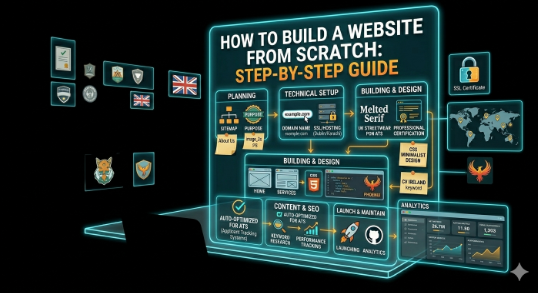
How to Build a Website from Scratch (Step-by-Step Guide)
Building a website from scratch may sound technical, but today it has become much easier thanks to modern tools and platforms. Whether you want to start a personal brand, business site, blog, or portfolio, you can create a professional website without advanced coding skills.
This guide will walk you through each step in a simple way so beginners can understand and apply it easily.
- Understand Your Website Purpose
Before starting, you must clearly define why you are building the website.
Ask yourself:
- Do I want to promote a business?
- Do I want to showcase my work or portfolio?
- Do I want to share blogs or knowledge online?
A clear purpose helps you design better structure and content.
For example, professionals working with an Expert Personal Website Designer In Dubai often begin by defining their brand identity first before designing anything.
- Choose the Right Platform
The next step is selecting a website-building platform.
Popular options include:
- WordPress
- Wix
- Shopify
- Squarespace
Most beginners prefer drag-and-drop builders because they are easy to use and require no coding.
These platforms offer ready-made templates, hosting, and design tools in one place.
- Select a Domain Name
Your domain name is your website address (like www.example.com).
Tips for choosing a good domain:
- Keep it short and simple
- Avoid complex spelling
- Make it relevant to your brand or business
- Prefer .com if available
A strong domain builds trust and professionalism.
- Pick a Website Template
Templates define how your website looks.
Choose a template that:
- Matches your industry
- Looks clean and modern
- Is mobile-friendly
- Is easy to customize
A good design improves user experience and keeps visitors engaged.
- Customize Your Website Design
Now comes the creative part.
You should customize:
- Logo
- Colors and fonts
- Menu navigation
- Homepage layout
Make sure your website looks consistent and easy to navigate.
Keep it simple—too many design elements can confuse visitors.
- Add Important Pages
Every website should have essential pages:
Home Page
This is the first impression of your website.
About Page
Tell visitors who you are and what you offer.
Contact Page
Make it easy for users to reach you.
Services/Products Page
Explain your offerings clearly.
- Add High-Quality Content
Content is the most important part of your website.
Good content should:
- Be easy to read
- Provide value to visitors
- Use clear headings and structure
- Avoid unnecessary complexity
For career-focused platforms, tools like a CV resume builder help users create professional resumes that match website branding and job market standards.
- Optimize for SEO
SEO (Search Engine Optimization) helps your website appear on Google search results.
Basic SEO steps:
- Use relevant keywords naturally
- Write clear titles and descriptions
- Optimize images with alt text
- Use internal linking
- Improve page speed
Good SEO brings organic traffic without paid ads.
- Make Your Website Mobile-Friendly
Most users browse websites on mobile devices, so your website must look good on all screen sizes.
Ensure:
- Text is readable
- Buttons are clickable
- Layout adjusts automatically
- Images load properly
Mobile responsiveness improves user experience and ranking.
- Test Everything Before Launch
Before publishing, carefully test your website:
- Check all links
- Test contact forms
- Review spelling and grammar
- Verify mobile and desktop views
Testing prevents errors and improves credibility.
- Publish and Promote Your Website
Once everything is ready, publish your website.
After publishing:
- Share on social media
- Submit to Google Search Console
- Start content marketing (blogs, posts, updates)
Promotion helps your website reach the right audience.
- Keep Updating Your Website
A website is not a one-time project. It needs regular updates.
You should:
- Add new content regularly
- Update old information
- Improve design over time
- Monitor performance
Fresh and updated websites perform better in search engines.
Final Thoughts
Building a website from scratch is easier than ever today. With the right tools, planning, and design approach, anyone can create a professional online presence.
Whether you are building a personal brand or business site, focus on clarity, usability, and consistency.
A well-structured website not only attracts visitors but also builds trust and long-term success in the digital world.