


What is BaaS? A clear, SEO-friendly guide
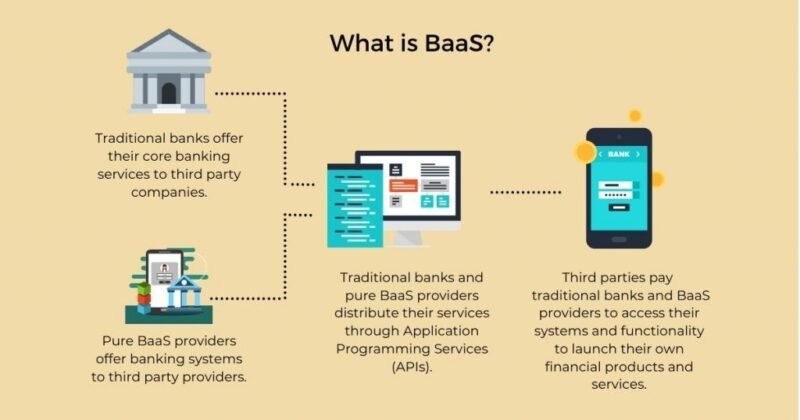
If you’ve ever typed the query “what is baas” into a search bar, this short guide answers it in plain language. BaaS (Backend-as-a-Service) is a cloud service model that provides ready-made backend components — like user authentication, databases, push notifications, and storage — so developers can focus on building the frontend and core features.
A simple definition: what is baas
At its core, “what is baas” means asking how your app’s backend can be outsourced to a provider. Instead of writing server code for common tasks, you connect your app to an API or SDK provided by a BaaS vendor. That provider handles scaling, security patches, and infrastructure, reducing development time and operational overhead.
Key features and benefits
- Ready-made services: Authentication, real-time databases, file storage, and cloud functions are common BaaS offerings.
- Faster time to market: Teams launch MVPs more quickly because repetitive backend work is pre-built.
- Lower operational burden: Providers manage maintenance, uptime, and scaling concerns.
- Pay-as-you-go pricing: Many BaaS platforms let you start free or on small plans and scale costs with usage.
- Integration ease: SDKs and well-documented APIs make integration straightforward for web, iOS, and Android apps.
When to use BaaS
As you explore “what is baas” for your project, consider BaaS if:
- You need to prototype or launch fast.
- Your app requires standard backend features without heavy customization.
- Your team is small or lacks backend expertise. If your application needs complex, highly customized server logic or strict regulatory compliance, you might prefer custom backend development or a hybrid approach.
Popular use cases
- MVPs and prototypes that need quick authentication and data storage.
- Mobile apps that benefit from push notifications and real-time sync.
- SaaS products that rely on standard user management and payment integrations.
- IoT frontends that need scalable data ingestion without building the entire backend stack.
How to choose a BaaS provider
- Evaluate features: Ensure the provider supports the services your app requires.
- Check scalability and pricing: Forecast costs for anticipated growth.
- Review security and compliance: Look for encryption, access controls, and certifications.
- Test SDKs and docs: Developer experience matters — clear docs reduce integration time.
- Consider vendor lock-in: Prefer providers that allow data export or hybrid architectures.
Summary
If your question is “what is baas” — now you know: it’s a cloud model that supplies backend capabilities so developers can build faster and manage less infrastructure. For many startups and teams, BaaS strikes a balance between speed and functionality; for complex, bespoke systems, weigh the trade-offs carefully.