

The Essential Guide to Solar Permitting in 2026
The transition to renewable energy is accelerating globally, but for installers, the path from a signed contract to a functioning system often runs through a significant bottleneck: solar permitting. As jurisdictions update building codes and safety standards for 2026, understanding the nuances of the permitting phase is vital for maintaining project timelines and ensuring customer satisfaction.
What is Solar Permitting?
Solar permitting is the multi-step process of obtaining legal authorization from local government agencies—usually the Building or Planning Department—to install a solar energy system. This process ensures that the proposed design complies with structural, electrical, and fire safety codes. Without a valid permit, an installation cannot legally proceed, and the system cannot be interconnected to the utility grid.
In 2026, the complexity of solar permitting has increased as more homeowners integrate battery storage and electric vehicle (EV) charging stations into their solar arrays. Each addition requires specific documentation and adherence to evolving National Electrical Code (NEC) standards.
Common Challenges in the Permitting Process
Despite efforts to standardize regulations, many installers face recurring hurdles during solar permitting:
-
Jurisdictional Variance: Requirements can differ significantly between neighboring municipalities, leading to confusion and manual errors.
-
Documentation Errors: Incomplete site plans or incorrect technical specifications are the leading causes of permit rejections.
-
Long Wait Times: Manual reviews by local authorities can take anywhere from a few days to several weeks, delaying the installation “truck roll.”
Streamlining Solar Permitting with Solargraf
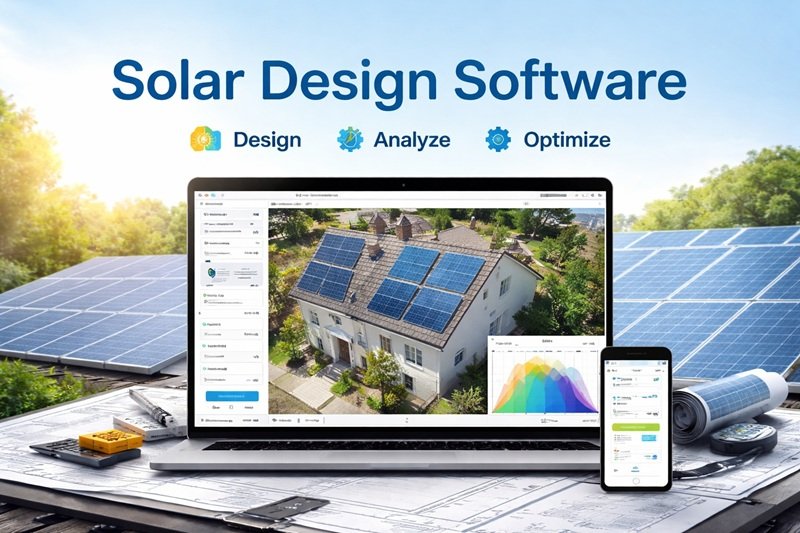
To combat these delays, leading installers are turning to advanced software solutions like Solargraf. Efficiency is the hallmark of a successful solar business, and Solargraf provides the tools necessary to generate permit-ready plan sets with precision.
By using Solargraf, professionals can access automated roof modeling and shade analysis that meet the rigorous demands of local permit offices. The platform’s ability to produce comprehensive design packages reduces the likelihood of revisions, allowing your team to move from design to “permit in hand” faster than ever before. In an industry where time is money, leveraging Solargraf ensures that your solar permitting workflow is as optimized as the panels you install.
The Future of Permitting: Automation and Integration
As we look further into 2026, the trend toward “Instant Permitting” is gaining momentum. Digital platforms are increasingly integrating with municipal databases to allow for real-time compliance checks. For businesses aiming to scale, incorporating solar permitting software into their daily operations is no longer optional—it is a competitive necessity.
By staying informed on local code changes and utilizing high-fidelity design tools, you can transform solar permitting from a bureaucratic hurdle into a streamlined part of your project lifecycle.
Frequently Asked Questions (FAQs)
1. How long does the solar permitting process usually take?
The timeline varies by location, but residential solar permitting typically takes between two to six weeks. However, using digital tools like Solargraf to ensure error-free applications can significantly shorten this window.
2. Can I start my solar installation before the permit is approved?
No. Installing a solar system without an approved permit is illegal and can result in heavy fines, forced removal of equipment, and denial of grid interconnection.
3. What documents are required for a solar permit?
Generally, you need a detailed site plan, a structural analysis of the roof, an electrical 3-line diagram, and spec sheets for the panels and inverters being used.
4. Does solar permitting include an inspection?
Yes. After the permit is issued and the installation is complete, a local official will conduct a final inspection to verify that the work matches the approved plans.
5. How much do solar permits cost?
Fees are set by the local municipality and can range from a flat fee of $100 to costs based on the total value of the project. Always check with your local building department for the current fee schedule.