

Are Complete Body Kits Worth It? Pros, Cons & Fitment Guide
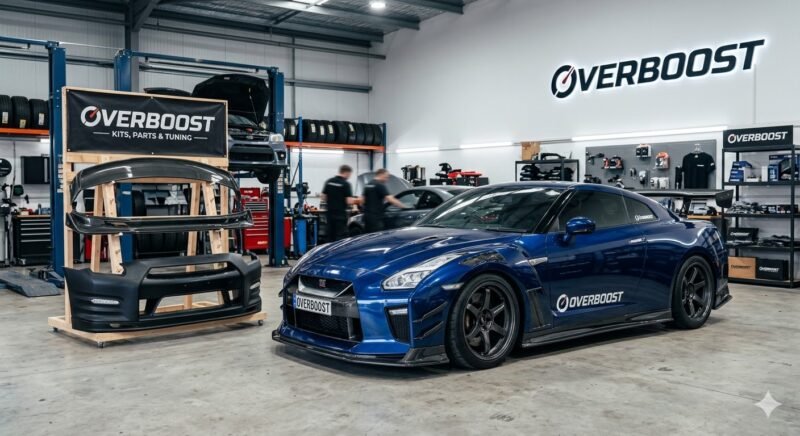
When it comes to automotive customization, few modifications make as bold a statement as installing complete body kits. Unlike piecing together individual spoilers or side skirts over time, a full kit offers a cohesive, ground-up transformation of your vehicle’s exterior. But is the investment truly worth it?
At Overboost, we see enthusiasts grappling with this question daily. To help you decide, we have put together this comprehensive guide on the advantages, drawbacks, and technical realities of choosing complete body kits for your ride.
The Pros: Why Go for the Full Package?
The most significant benefit of complete body kits is visual harmony. When you buy a full set from Overboost, every line, curve, and aerodynamic element is designed by the same engineer to work together. This ensures a fluid design language from the front bumper to the rear diffuser.
-
Aerodynamic Efficiency: High-quality complete body kits are wind-tunnel tested. They work as a singular system to manage airflow, reducing drag and increasing high-speed stability.
-
Value for Money: Often, purchasing a full bundle is more cost-effective than buying a front bumper, rear bumper, and side skirts separately.
-
Instant Transformation: You can take a standard factory model and turn it into a show-stopper in a single project phase.
The Cons: Potential Roadblocks
While the results are stunning, complete body kits do come with challenges that every owner should prepare for.
-
High Initial Cost: While the per-part price is lower, the upfront “lump sum” for a high-end kit—especially in carbon fiber—can be significant.
-
Daily Driving Hurdles: Most complete body kits significantly lower the car’s ground clearance. You will need to change how you approach driveways, speed bumps, and even car washes to avoid costly cracks.
-
Complexity of Repair: If you damage a single part of a rare or discontinued kit, finding a matching replacement can be difficult compared to stock parts.
The Fitment Guide: Getting it Right
Fitment is where most DIY projects hit a wall. Even the best complete body kits from Overboost require a “test fit” before a single drop of paint is applied.
-
The “Dry Fit” Phase: Always bolt the kit onto the car in its raw state. This allows you to see where the fiberglass or polyurethane might need slight sanding or heat-shaping to align perfectly with the factory panels.
-
Hardware Matters: Never rely solely on double-sided tape. For complete body kits to stay secure at highway speeds, they should be mounted using high-grade stainless steel hardware and reinforced brackets where necessary.
-
Professional Blending: To make the kit look like it came from the factory, a professional shop will often “blend” the paint into the original fenders and doors to ensure there is no visible color difference.
Is It Worth It?
The answer depends on your goals. If you want a unique vehicle that holds its own at car shows and feels more planted on the track, complete body kits are absolutely worth the investment. They provide a level of customization that individual parts simply cannot match.
However, if you live in an area with poorly maintained roads or prefer a subtle “sleeper” look, you might find more value in smaller, individual upgrades. At Overboost, we recommend starting with a clear vision of your end goal before committing to a full-scale build.