Vascular health plays an important role in maintaining proper blood circulation throughout the body. Blood vessels, including arteries and veins, carry oxygen and nutrients to different organs and tissues. When these vessels develop problems, symptoms such as leg pain, swelling, numbness, skin discoloration, and slow-healing wounds may appear. Recognising these warning signs early can help prevent complications and support timely treatment.
Consulting a qualified Vascular Specialist In Ahmedabad, such as Dr Sumit Kapadia, can help patients understand the underlying cause of vascular symptoms and explore appropriate treatment options.
What Is a Vascular Evaluation?
A vascular evaluation is a medical assessment used to examine the health and functioning of blood vessels. It helps identify problems affecting arteries, veins, and circulation throughout the body.
Vascular specialists evaluate conditions such as:
-
Varicose veins.
-
Peripheral artery disease (PAD).
-
Deep vein thrombosis (DVT).
-
Chronic venous insufficiency.
-
Carotid artery disease.
-
Aneurysms.
-
Vascular blockages.
Depending on the symptoms, a specialist may recommend a physical examination, medical history assessment, or imaging tests to understand the condition.
8 Symptoms That May Require Vascular Evaluation
Certain symptoms should not be ignored, particularly when they persist, become more noticeable, or interfere with daily activities.
1. Persistent Leg Pain While Walking
Leg pain during physical activity can sometimes indicate peripheral artery disease (PAD). This condition develops when narrowed arteries reduce blood flow to the muscles.
Patients may experience cramping, discomfort, or tiredness in the calves, thighs, or hips while walking. The pain may improve after resting but return when physical activity resumes.
This symptom is known as intermittent claudication and may require vascular evaluation.
2. Swelling in the Legs and Ankles
Persistent swelling in the lower legs or ankles can indicate problems with venous circulation.
When vein valves become weak, blood may collect in the lower extremities, increasing pressure inside the veins. This can cause swelling, heaviness, and discomfort.
Common conditions associated with these symptoms include chronic venous insufficiency and varicose veins.
Sudden swelling in one leg, especially when accompanied by pain, warmth, or redness, requires urgent medical assessment because it may indicate deep vein thrombosis.
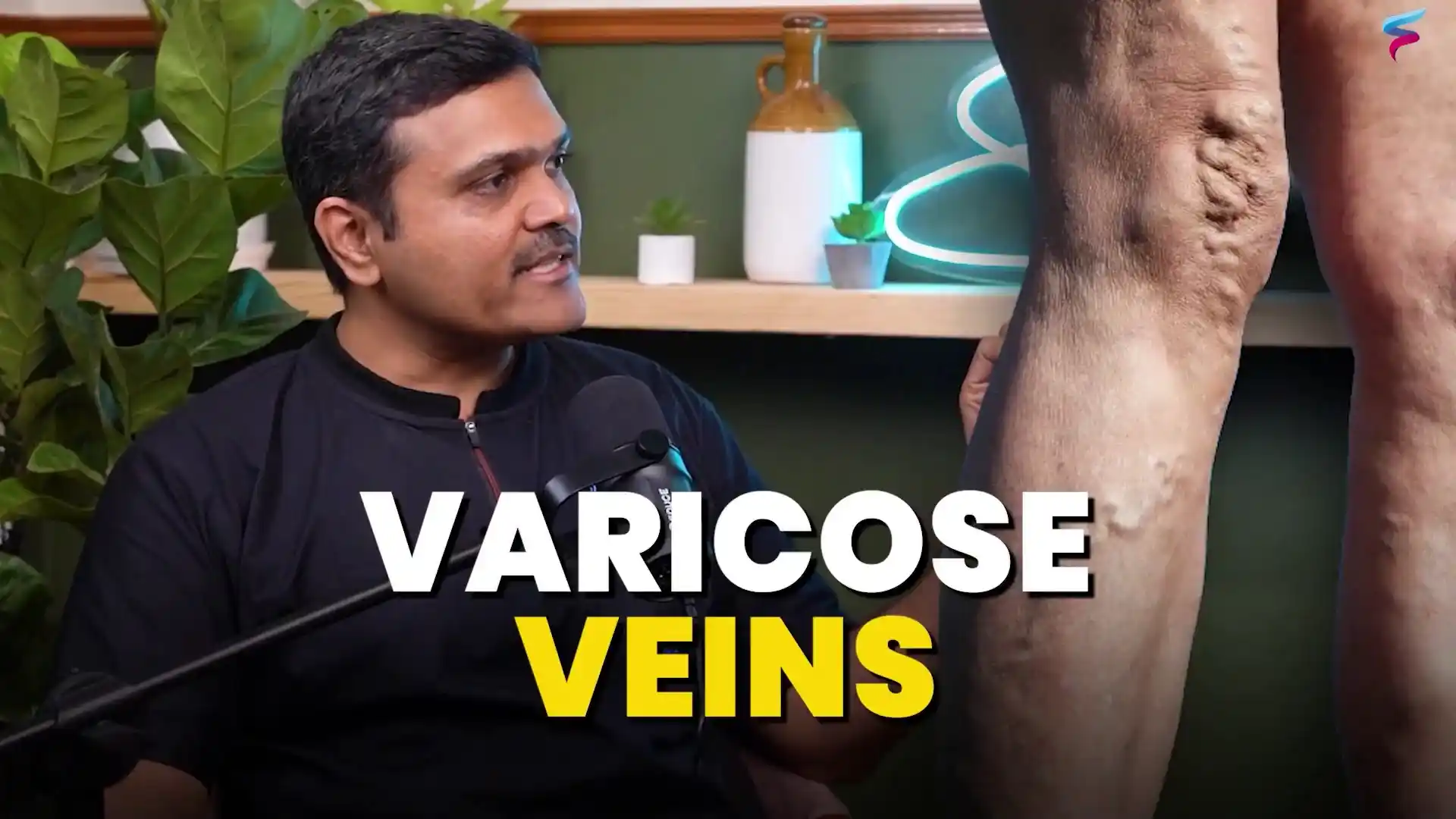
3. Visible and Bulging Veins
Enlarged, twisted, and bulging veins are common signs of varicose veins. They usually develop when the valves inside the veins stop functioning properly.
Although some people experience only cosmetic concerns, others may develop:
-
Leg heaviness.
-
Aching or throbbing.
-
Itching around affected veins.
-
Ankle swelling.
-
Skin discoloration.
A vascular specialist can assess the severity of the condition and recommend suitable treatment.
4. Numbness or Tingling in the Legs and Feet
Numbness, tingling, or unusual sensations in the lower extremities may sometimes be associated with reduced blood circulation.
When arteries become narrowed or blocked, tissues may receive insufficient oxygen-rich blood. This can cause discomfort, weakness, or changes in sensation.
However, numbness can also result from nerve-related conditions, diabetes, or spinal problems. A proper medical assessment is necessary to identify the actual cause.
5. Cold Feet or Changes in Skin Colour
Unusually cold feet, pale skin, or a bluish appearance may indicate reduced blood circulation.
Poor arterial blood flow can prevent sufficient oxygen from reaching the tissues. Some patients may also notice differences in temperature between their feet.
Sudden coldness, severe pain, numbness, or colour changes in a limb may indicate acute arterial blockage and require emergency medical attention.
6. Wounds That Take Too Long to Heal
Slow-healing wounds, particularly around the feet, ankles, and lower legs, may indicate underlying vascular problems.
Poor circulation can reduce the oxygen and nutrients required for tissue repair. This can increase the risk of infections and chronic ulcers.
People with diabetes and peripheral artery disease should pay particular attention to foot injuries, blisters, and wounds that do not heal normally.
7. Skin Discoloration Around the Ankles
Darkening, thickening, or reddish-brown discoloration around the lower legs and ankles can be associated with chronic venous insufficiency.
This happens when increased pressure inside the veins affects the surrounding skin and tissues.
In some cases, patients may also experience itching, inflammation, swelling, or venous ulcers.
Early evaluation can help identify the underlying circulation problem and prevent further skin complications.
8. Sudden or Unexplained Limb Pain
Sudden and severe pain in an arm or leg can sometimes indicate an acute vascular problem.
A blood clot or arterial blockage may interrupt blood flow to the affected limb. Other warning signs include:
-
Sudden numbness.
-
Coldness in the affected limb.
-
Pale or bluish skin.
-
Weakness or difficulty moving the limb.
These symptoms may indicate acute limb ischaemia, which is a medical emergency. Immediate hospital evaluation is essential.
Who Should Consider a Vascular Evaluation?
Although anyone can develop vascular problems, certain individuals may have a higher risk of circulation-related conditions.
People who may benefit from vascular assessment include:
Individuals With Diabetes: Diabetes can damage blood vessels and increase the risk of peripheral artery disease and foot complications.
People With High Blood Pressure: Long-term hypertension can damage arteries and contribute to vascular disease.
Smokers: Tobacco use damages blood vessels and increases the risk of arterial narrowing and circulation problems.
People With a Family History of Vascular Disease: Genetic and family history factors may increase susceptibility to certain vascular conditions.
Individuals With Sedentary Lifestyles: Limited physical activity can contribute to several cardiovascular and circulatory risk factors.
Older Adults: The risk of many vascular conditions increases with age.
How Does a Vascular Specialist Diagnose Circulation Problems?
A vascular specialist uses different diagnostic methods to identify problems affecting arteries and veins.
Physical Examination
The doctor examines the affected area, checks skin colour and temperature, and assesses swelling and visible veins.
Pulse examination may also help identify reduced blood flow in the limbs.
Doppler Ultrasound
Doppler ultrasound evaluates blood flow through the blood vessels. It can help identify abnormal circulation, narrowed arteries, venous reflux, and certain blood clots.
Ankle-Brachial Index (ABI)
The ankle-brachial index compares blood pressure measured at the ankle with blood pressure measured in the arm. It is commonly used to assess peripheral artery disease.
CT Angiography
CT angiography uses contrast material and specialised imaging to examine blood vessels. It may help identify narrowing, blockages, and other vascular abnormalities when additional imaging is required.
The specialist selects diagnostic tests according to the patient’s symptoms and medical history.
What Treatments Are Available for Vascular Conditions?
Treatment depends on the type of vascular condition, its severity, and the patient’s overall health.
Some commonly used treatment approaches include:
Lifestyle Modifications: Regular physical activity, smoking cessation, healthy eating, and weight management can support vascular health.
Medications: Depending on the diagnosis, doctors may prescribe medications to manage blood pressure, cholesterol, blood clotting risks, or other underlying conditions.
Compression Therapy: Compression stockings may help manage symptoms associated with certain venous disorders.
Minimally Invasive Procedures: Techniques such as endovenous laser treatment, radiofrequency ablation, and angioplasty may be recommended for selected conditions.
Vascular Surgery: Some advanced vascular problems may require surgical intervention to restore or improve blood circulation.
Not every vascular condition requires surgery. Early diagnosis can help specialists identify appropriate treatment options before complications develop.
Why Consult Dr Sumit Kapadia for Vascular Evaluation?
Recognising vascular symptoms is only the first step. Getting the right medical evaluation is equally important for understanding the underlying condition and selecting suitable treatment.
Dr Sumit Kapadia is a vascular specialist whom patients can consult for guidance regarding vascular conditions, including varicose veins and other circulation-related problems.
Patients looking for a Vascular Specialist In Ahmedabad can visit the Dr Sumit Kapadia website to learn more about his practice and vascular care services.
A specialist evaluation can help determine whether symptoms are related to venous insufficiency, arterial disease, or another medical condition. It also allows patients to understand available diagnostic and treatment approaches.
Conclusion
Vascular problems can develop gradually, and their early symptoms are sometimes mistaken for ordinary tiredness, ageing, or muscle discomfort. Persistent leg pain, swelling, visible veins, numbness, cold feet, skin discoloration, and slow-healing wounds may indicate an underlying circulation problem.
Recognising these warning signs and seeking timely medical attention can help reduce the risk of serious complications. If you experience unusual circulation-related symptoms, consider consulting Dr Sumit Kapadia for professional guidance and an appropriate vascular evaluation.
Frequently Asked Questions (FAQs)
1. What are the common signs that indicate a vascular problem?
Common warning signs include leg pain while walking, persistent swelling, varicose veins, cold feet, numbness, skin discoloration, and wounds that heal slowly.
2. When should I visit a vascular specialist?
You should consider visiting a vascular specialist if you experience persistent circulation-related symptoms, unexplained leg swelling, visible bulging veins, or recurring leg pain.
3. Can vascular problems cause leg pain?
Yes. Conditions such as peripheral artery disease and chronic venous insufficiency can cause leg pain, heaviness, cramping, and discomfort.
4. Is Doppler ultrasound necessary for vascular evaluation?
Not every patient requires Doppler ultrasound. However, doctors commonly recommend it when they need to examine blood flow, identify venous reflux, or investigate suspected vascular blockages.
5. Can vascular diseases be treated without surgery?
Yes. Depending on the condition, treatment may include lifestyle modifications, medications, compression therapy, and minimally invasive procedures. Surgery is generally considered when clinically necessary.
6. Which doctor should I consult for vascular problems in Ahmedabad?
A qualified vascular specialist can evaluate circulation-related conditions and recommend suitable treatment. Patients can consult Dr Sumit Kapadia for information about vascular care.