

Electric Cars in India: A Complete Guide for Car Buyers
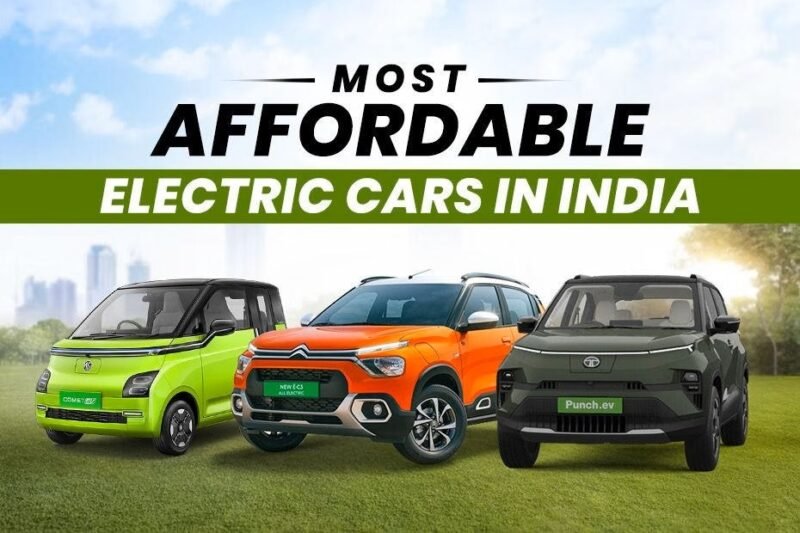
The demand for electric cars in India is growing as buyers explore alternatives to conventional petrol and diesel vehicles. With improvements in battery technology, increased model availability, expanding charging infrastructure, and growing interest in lower running costs, electric vehicles are becoming an important part of the Indian automobile market.
From affordable electric cars for city commuting to premium electric SUVs designed for longer journeys, buyers now have more options to consider. However, purchasing an EV requires a different approach from buying a conventional car. Factors such as real-world range, charging convenience, battery warranty, running costs, and daily driving requirements should all be evaluated before making a decision.
What Are Electric Cars?
Electric cars use one or more electric motors for propulsion and store energy in a rechargeable battery pack. Unlike conventional petrol or diesel cars, a fully electric vehicle does not rely on an internal combustion engine for normal driving.
The battery is charged using an external power source, such as a home charger or a public charging station. The available driving range depends on factors including battery capacity, vehicle efficiency, driving conditions, speed, weather, road conditions, and the use of features such as air conditioning.
Why Are Electric Cars in India Becoming Popular?
One of the main reasons behind the growing interest in electric cars in India is the potential for lower energy costs compared with conventional fuel-powered vehicles. Electricity can be a more economical energy source for some users, particularly when charging is available at home.
Electric cars also provide instant torque, which can offer smooth and quick acceleration. They are generally quieter than petrol or diesel vehicles because they do not operate with a traditional internal combustion engine.
Another important factor is the increasing availability of electric vehicle options across different price segments. Buyers can now explore compact EVs, electric SUVs, and premium electric vehicles based on their requirements and budget.
However, an electric car is not automatically the best choice for every buyer. The decision depends heavily on daily driving distance and access to reliable charging.
Types of Electric Cars Available in India
The Indian market includes electric vehicles across different categories.
Compact electric cars can be suitable for city commuters who travel predictable distances and have convenient charging access. These vehicles may offer lower running costs and easier manoeuvrability in urban areas.
Electric SUVs are becoming increasingly popular because they combine the practical advantages of an SUV with electric power. Depending on the model and battery capacity, they may offer more space and a longer claimed driving range.
Premium electric cars generally focus on performance, technology, comfort, and advanced features. However, their higher purchase price means buyers should carefully evaluate whether the additional capabilities match their requirements.
How Far Can an Electric Car Travel?
Driving range is one of the most important factors when considering electric cars in India. Every EV has a claimed range, but actual real-world performance can vary.
High speeds, aggressive acceleration, steep roads, heavy traffic, extreme temperatures, air-conditioning use, passenger load, and driving style can all affect the distance an electric car can travel on a single charge.
Instead of choosing an EV based only on the highest claimed range, consider your normal daily driving distance. If your typical daily commute is well within the vehicle’s practical range, charging convenience may be more important than having the largest possible battery.
Charging Electric Cars in India
Electric cars can generally be charged at home, at workplace charging points, or through public charging infrastructure.
Home charging can be one of the most convenient options because the vehicle can be charged while parked for several hours. However, buyers should check whether their parking arrangement and electrical setup are suitable before purchasing an EV.
Public charging stations can be useful during longer journeys or for owners without reliable home charging. Charging time depends on the vehicle, battery capacity, charging equipment, and charger type.
Before buying an EV, it is practical to understand where you will charge the vehicle most often rather than relying only on the availability of public chargers.
Are Electric Cars Cheaper to Run?
The running cost of an electric car can be lower than that of a conventional petrol or diesel vehicle in certain situations. The actual cost depends on electricity rates, charging losses, vehicle efficiency, and the type of charging used.
For a simple estimate, you can calculate the approximate energy cost per kilometre:
Cost Per Kilometre = Electricity Cost Per kWh × Energy Consumption Per km
However, the total ownership cost includes more than charging expenses. Buyers should also consider the purchase price, financing costs, insurance, maintenance, battery warranty, and expected resale value.
A lower running cost does not always mean that an EV will be the cheapest option for every buyer.
What Should You Check Before Buying an Electric Car?
The first step is to evaluate your daily and monthly driving distance. An EV may be particularly convenient for predictable usage when charging is easily available.
Next, consider charging access. If you have dedicated parking and can install or use a suitable charging solution, owning an electric car may be more convenient.
Battery warranty is another important factor. Buyers should understand the warranty terms, coverage period, and conditions provided by the manufacturer.
You should also compare the practical driving range, charging time, cabin space, safety features, boot capacity, and overall purchase price. A test drive can help you understand the driving experience, visibility, ride quality, comfort, and performance.
Electric Cars vs Petrol Cars
Electric cars and petrol cars have different strengths.
An electric car can offer smooth performance, quiet operation, and potentially lower running costs. It may be particularly suitable for buyers with regular charging access and predictable driving patterns.
A petrol car may offer easier refuelling across a wider network and can be more convenient for frequent long-distance travel where charging availability is uncertain.
The better option depends on how and where you drive. There is no single answer that applies to every car buyer.
Are Electric Cars Suitable for Long-Distance Travel?
Electric cars can be used for long-distance travel, but journey planning may be more important than with a petrol or diesel car.
Before starting a long trip, drivers may need to identify suitable charging locations and account for charging time. Route conditions and actual energy consumption can also influence the travel plan.
For buyers who frequently travel long distances through areas with limited charging access, a conventional or hybrid vehicle may currently be more convenient. On the other hand, an EV can work well for occasional highway trips when the route and charging stops can be planned in advance.
Maintenance Requirements of Electric Cars
Electric vehicles have a different mechanical setup from conventional internal combustion engine cars. They do not require some of the routine maintenance associated with petrol or diesel engines.
However, electric cars still require regular inspection and maintenance of components such as tyres, brakes, suspension, cooling systems, and other vehicle systems.
Maintenance requirements can vary by model and manufacturer, so buyers should check the recommended service schedule before purchasing.
How to Choose the Right Electric Car
The best approach is to start with your actual requirements instead of choosing an EV based only on its claimed range or the number of features.
Consider your budget, average daily driving distance, access to home or workplace charging, passenger requirements, and the type of journeys you make most frequently.
If you primarily drive within the city and can charge regularly, a compact electric car may meet your needs. If you regularly travel with family or require more space, an electric SUV may be more suitable.
Compare multiple models before making a final decision. Look at range, charging capability, warranty, safety features, practical space, performance, and expected ownership costs.
Explore Electric Cars in India with V3Cars
Research is an essential part of choosing among the growing number of electric cars in India. V3Cars helps users explore different electric vehicles, compare available options, understand specifications, and evaluate features before making a purchase decision.
Whether you are looking for an electric car for daily city driving or exploring an electric SUV for family use, comparing multiple options can help you understand which vehicle best matches your requirements.
Frequently Asked Questions
Are electric cars suitable for daily use in India?
Yes, electric cars can be suitable for daily use, particularly when the owner’s normal driving distance is within the vehicle’s practical range and reliable charging is available.
How long does it take to charge an electric car?
Charging time depends on the battery size, charging equipment, charger type, and vehicle capability. Home charging may take several hours, while compatible faster charging options can reduce charging time.
Is the claimed EV range the same as real-world range?
Not always. Real-world range can vary based on speed, traffic, driving style, road conditions, weather, air-conditioning use, and vehicle load.
Can I charge an electric car at home?
Many EV owners charge their vehicles at home, provided they have suitable parking and electrical infrastructure. Buyers should confirm the charging requirements for their specific vehicle before purchase.
Are electric cars cheaper to maintain?
Electric vehicles may have fewer engine-related maintenance requirements than conventional internal combustion engine vehicles. However, maintenance costs depend on the model, usage, manufacturer, and required services.
Conclusion
Electric cars in India are creating new options for buyers who want to explore electric mobility. With more models entering the market, improved technology, and expanding charging solutions, EV ownership is becoming increasingly practical for many users.
However, an electric car should be chosen based on your actual driving habits and charging access. Compare range, charging requirements, price, battery warranty, features, and overall ownership costs before making a decision. Explore and compare different electric cars in India with V3Cars to make a more informed choice.