


Decorative Laminate Guide 2026: Types, Uses, Thickness & How to Choose
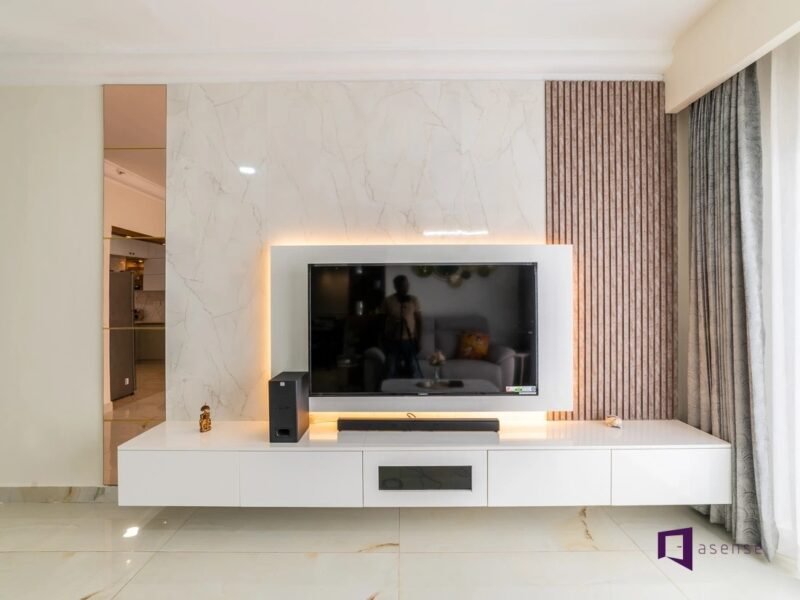
If you’ve shopped for furniture, kitchen cabinets, or wardrobes recently, you’ve probably come across the term “decorative laminate” more than once. It’s one of the most widely used surfacing materials in Indian homes and offices — durable, affordable, and available in more designs than almost any other material. This guide walks you through what decorative laminate actually is, the types available, how to pick the right thickness and finish, and what to keep in mind before you buy.
What Is Decorative Laminate?
Decorative laminate is a surfacing material made by pressing layers of resin-treated paper together under high heat and pressure, resulting in a hard, durable sheet that can be applied to furniture, cabinets, doors, walls, and countertops. It’s the same category of material commonly known in India as “sunmica,” though decorative laminate is the broader, more accurate term covering all brands and finishes.
Because it’s manufactured rather than natural, decorative laminate can mimic almost anything — wood grain, marble, fabric, or solid colour — while offering better scratch resistance and easier maintenance than the materials it imitates.
Common Uses of Decorative Laminate
Decorative laminate shows up in nearly every part of a modern interior:
- Kitchen cabinets and shutters – for a durable, easy-to-clean surface
- Wardrobes and cupboards – wide design choice at a reasonable price
- Doors and door panels – both interior and decorative feature doors
- Countertops and worktops – especially in mid-range kitchens
- Wall panels – for accent walls and cladding
- Office furniture – desks, cabinets, and partitions
Types of Decorative Laminate
Not all laminate is the same — different types suit different needs.
1. Plain/Solid Colour Laminate
A flat, single-colour finish that’s simple, budget-friendly, and works well for minimalist interiors or as a base surface paired with other design elements.
2. Woodgrain Laminate
Mimics the look of natural wood — walnut, oak, teak, and similar tones — giving a warm, classic feel without the cost or upkeep of real wood.
3. Fluted/Textured Laminate
Featuring raised grooves or a tactile surface, this type adds a three-dimensional, architectural look and is popular for feature walls and statement furniture.
4. Acrylic Laminate
Known for its ultra-glossy, mirror-like finish. Commonly used in modern kitchens and wardrobes where a sleek, reflective look is the goal.
5. Metallic Laminate
Adds a shimmering, industrial-modern edge, often used in accent areas, reception desks, and commercial interiors.
6. 3D Laminate
Uses layered or embossed patterns to create additional depth and texture, popular in contemporary furniture design.
Popular Finishes in Decorative Laminate
Beyond the design itself, the finish plays a big role in how a laminate looks and performs:
| Finish | Best Suited For | Key Trait |
|---|---|---|
| Matte | High-traffic furniture, offices | Hides fingerprints and minor scratches |
| Glossy / High-gloss | Modern kitchens, wardrobes | Reflective, mirror-like appearance |
| Textured / Suede | Feature furniture, accent walls | Tactile depth and grip |
| Metallic | Reception areas, accent panels | Bold, industrial-modern look |
Decorative Laminate Thickness Guide
Choosing the right thickness affects both durability and cost:
| Thickness | Recommended Use |
|---|---|
| 0.8mm | Light-use decorative surfaces, overlays |
| 1mm | Wardrobes, wall paneling, general furniture |
| 1.25mm | Kitchen cabinets, heavy-use furniture |
| 1.5mm+ | Doors and commercial interiors |
Standard sheet size across most brands is 8 feet x 4 feet (2440mm x 1220mm), though some premium ranges offer larger sheets for seamless, join-free surfaces.
How to Choose the Right Decorative Laminate
1. Match the Finish to the Room
- Kitchens: glossy or acrylic finishes make small spaces feel brighter and larger
- Bedrooms and offices: matte finishes are more forgiving of daily wear
- Accent walls: fluted or textured laminate adds visual depth
2. Pick the Right Thickness for Usage
Don’t over- or under-spec. A 0.8mm laminate on a kitchen countertop won’t hold up the way a 1.25mm sheet would — but using 1.5mm laminate on a light decorative surface is an unnecessary expense.
3. Check for Moisture and Heat Resistance
For kitchens, bathrooms, and utility areas, always confirm the laminate is rated for moisture resistance. Standard laminate can handle occasional spills but isn’t designed for constant water exposure.
4. Consider Long-Term Maintenance
Glossy finishes look striking but show fingerprints and scratches more easily than matte. If the surface will see daily use — like a kitchen shutter — factor in how much upkeep you’re willing to do.
5. Buy From a Trusted Brand
Laminate quality varies significantly between manufacturers. Look for ISI-marked products, clear technical specifications, and — where possible — a warranty against delamination or fading.
Decorative Laminate Maintenance Tips
- Clean with a soft, damp cloth and a mild soap solution
- Avoid bleach, abrasive powders, or strong solvents, which can dull the finish
- Use trivets or coasters under hot items to prevent surface damage
- Wipe up spills promptly, especially near seams and edges
- Use a cutting board on laminate countertops to avoid scratches
Decorative Laminate vs Other Surfacing Materials
| Material | Durability | Cost | Maintenance | Design Variety |
|---|---|---|---|---|
| Decorative Laminate | High | Low–Mid | Easy | Very wide |
| Veneer (natural wood) | Medium | High | Needs polishing | Limited to wood grains |
| PVC Laminate | Medium–High | Low–Mid | Easy | Wide, less realistic textures |
| Acrylic Sheet | High | Mid–High | Easy but shows scratches | Glossy finishes only |
Decorative laminate generally offers the best balance of cost, durability, and design flexibility, which is why it remains the default choice for most Indian homes and offices.
FAQs About Decorative Laminate
Q1. What exactly is decorative laminate made of? It’s made by compressing multiple layers of resin-impregnated paper under high heat and pressure, creating a hard, durable sheet used for furniture, cabinets, and interior surfaces.
Q2. Is decorative laminate the same as sunmica? Yes, largely. “Sunmica” was originally a specific brand, but in India it’s commonly used as a general term for decorative laminate sheets from any manufacturer.
Q3. What’s the standard size of a decorative laminate sheet? Most laminate sheets come in a standard 8 feet x 4 feet size, though some premium brands offer larger sheets for specific projects.
Q4. Which laminate finish is best for kitchen cabinets? High-gloss or acrylic laminates are popular for kitchens because they’re easy to clean and reflect light well, making the space feel brighter. Matte finishes work better if you want to hide fingerprints and daily wear.
Q5. Is decorative laminate waterproof? It’s water-resistant, not fully waterproof. Standard laminate can handle spills and everyday moisture, but for kitchens, bathrooms, or utility areas, it’s best to choose a moisture-resistant grade and ensure edges are properly sealed.
Q6. How long does decorative laminate last? With good-quality material and proper installation, decorative laminate typically lasts 10 to 20 years or more, depending on usage and maintenance.
Q7. Can I install decorative laminate myself? Simple, flat surfaces can be DIY-friendly if you have the right tools. For kitchen cabinets, wardrobes, and furniture, professional installation is recommended since correct adhesive application and edge finishing directly affect durability.
Final Thoughts
Decorative laminate remains one of the most practical choices for Indian interiors — it’s durable, low-maintenance, and available in a design range that natural materials simply can’t match at the same price. The key is matching the type, finish, and thickness to where it will actually be used: glossy or acrylic for kitchens, matte for daily-use furniture, and textured or fluted options where you want a design statement. Choose a trusted, ISI-marked brand, and your laminate surfaces should stay looking sharp for well over a decade.
Disclaimer: Prices, specifications, and product availability may vary by brand and region. Check with your laminate supplier for current rates and technical details.