


Tiger Tour in India: Explore the Wild Beauty of Indian Jungles
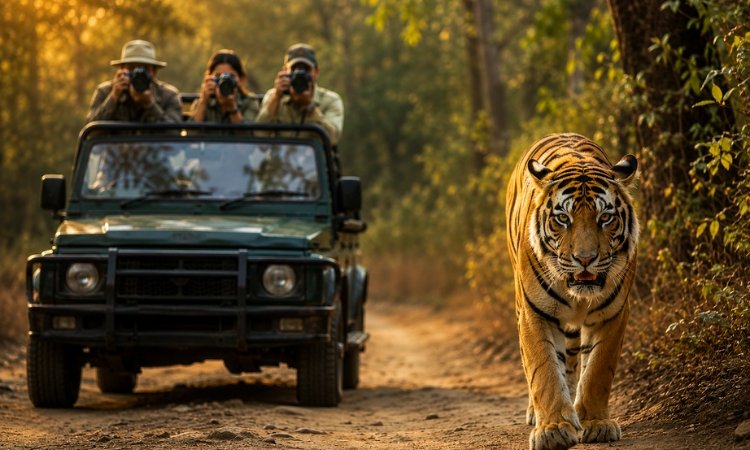
India’s wilderness holds an almost mythical charm. Dense forests whisper ancient secrets, grasslands ripple with unseen movement, and rivers carve through landscapes teeming with life. At the heart of this untamed beauty lies the tiger—elusive, regal, and profoundly captivating.
A Tiger Tour in India is not merely a vacation. It is an immersion into raw nature. Every rustle in the undergrowth feels significant. Every alarm call sends a thrill down your spine. For wildlife enthusiasts, photographers, and curious travelers alike, India offers the most authentic encounters with wild tigers anywhere in the world.
With a robust network of protected reserves and conservation initiatives, the country has become the global epicenter for tiger sightings. A Wildlife Safari in India promises not just glimpses of the striped predator but an entire ecosystem thriving in delicate harmony.
The Majesty of the Bengal Tiger
The Royal Bengal Tiger is a creature of paradox. Fierce yet graceful. Solitary yet symbolic. Its fiery orange coat, marked with bold black stripes, creates a visual spectacle against the muted greens and browns of the forest.
India is home to the largest population of these magnificent animals. This is no accident. Decades of conservation efforts, including Project Tiger, have transformed the narrative from decline to resurgence. Forest corridors have been revived. Poaching has been curbed. Awareness has grown.
Spotting a tiger during an indian tiger safari is an experience that defies simple description. It is not just about seeing an animal—it is about witnessing dominance, elegance, and survival intertwined in one fleeting moment.
Top Destinations for Tiger Safari in India
Ranthambore National Park
Ranthambore is perhaps the most iconic destination for a Tiger Safari in India. Set against the backdrop of ancient ruins and a dramatic fort, the landscape feels almost cinematic. Tigers here are known for their relatively bold behavior, often seen in daylight.
Bandhavgarh National Park
Compact yet incredibly rich in wildlife, Bandhavgarh boasts one of the highest tiger densities in India. The terrain is rugged, dotted with cliffs and dense vegetation. Sightings are frequent, making it a favorite for first-time visitors.
Kanha National Park
Kanha is a masterpiece of natural design. Vast meadows stretch endlessly, interspersed with sal forests and bamboo groves. It inspired Rudyard Kipling’s The Jungle Book, and rightly so. A Tiger Safari India experience here feels poetic and serene.
Jim Corbett National Park
As India’s oldest national park, Corbett carries historical significance alongside ecological richness. The landscape is diverse—riverine belts, hills, and dense forests. While sightings require patience, the overall biodiversity makes it immensely rewarding.
What to Expect on a Tiger Safari India Experience
A Tiger Safari India journey is structured yet unpredictable. Safaris typically take place twice a day—early morning and late afternoon—when wildlife activity peaks.
Open jeeps or canters traverse designated zones, guided by skilled drivers and naturalists. These experts read the forest like a living manuscript. They interpret alarm calls, track pugmarks, and decode subtle movements.
But a Wildlife Safari in India is not solely about tigers. You may encounter leopards lounging on tree branches, herds of spotted deer grazing cautiously, or vibrant birdlife flitting through the canopy.
The forest reveals itself slowly. It demands patience. Yet, when the tiger finally emerges—silent, deliberate, commanding—it makes every second worthwhile.
Best Time to Plan a Tiger Tour in India
Timing can shape your entire experience. While national parks are generally open from October to June, each season offers a different perspective.
Winter months (November to February) are pleasant and ideal for comfortable exploration. The foliage is denser, lending a lush aesthetic to the jungle. However, sightings may require more persistence.
Summer (March to June) is considered the prime time for tiger sightings. As water sources shrink, animals gather around remaining waterholes. The heat can be intense, but the rewards are often extraordinary.
Monsoon season sees most parks closed, allowing nature to rejuvenate. Planning your Tiger Tour in India during the right window ensures both comfort and optimal wildlife encounters.
Wildlife Photography Tour in India: Capture the Wild
For photography enthusiasts, a Wildlife Photography Tour in India offers unparalleled opportunities. The interplay of light and shadow in the forest creates dramatic compositions. Dust rising behind a walking tiger. Golden sunlight filtering through trees. It’s visual storytelling at its finest.
Preparation is key. A DSLR or mirrorless camera with a telephoto lens (at least 300mm) is essential. Fast shutter speeds help capture movement, while patience helps capture magic.
Understanding animal behavior enhances your shots. Anticipate rather than react. Listen to your guide. Observe patterns. Sometimes, the best photograph is not of a tiger but of the ecosystem it inhabits.
Choosing the Right Wildlife Tour Operator in India
Selecting a reliable Wildlife tour operator in India can make all the difference. Expertise, ethical practices, and local knowledge are crucial elements.
A well-curated safari ensures seamless logistics, knowledgeable guides, and responsible tourism practices. This is where Pugdundee Safaris distinguishes itself. With a deep-rooted commitment to conservation and guest experience, it crafts journeys that are immersive, respectful, and enriching.
From boutique lodges to expertly guided safaris, every detail is thoughtfully designed. The goal is not just to show wildlife but to foster a genuine connection with nature.
Responsible Wildlife Travel and Conservation
The growing popularity of the Tiger Tour in India brings with it a responsibility. Tourism must coexist with conservation. Ethical travel practices are not optional—they are essential.
Maintaining silence during safaris, respecting animal space, and avoiding littering are basic yet impactful actions. Supporting eco-friendly lodges and local communities further strengthens conservation efforts.
Every indian tiger safari contributes, directly or indirectly, to preserving these fragile ecosystems. By choosing responsible travel, visitors become stakeholders in conservation.
Conclusion
A Tiger Tour in India is an odyssey into the wild. It is where anticipation meets reality, and where nature reveals its most intimate secrets. From the thrill of a Tiger Safari in India to the quiet beauty of untouched landscapes, every moment leaves an indelible mark.
India’s jungles are not just destinations—they are living, breathing entities. To explore them is a privilege. To understand them is a journey. And to witness a tiger in its natural habitat is, without question, one of the most profound experiences the natural world can offer.