

Obesity and Metabolic Health: Understanding the Hidden Impact on Your Body
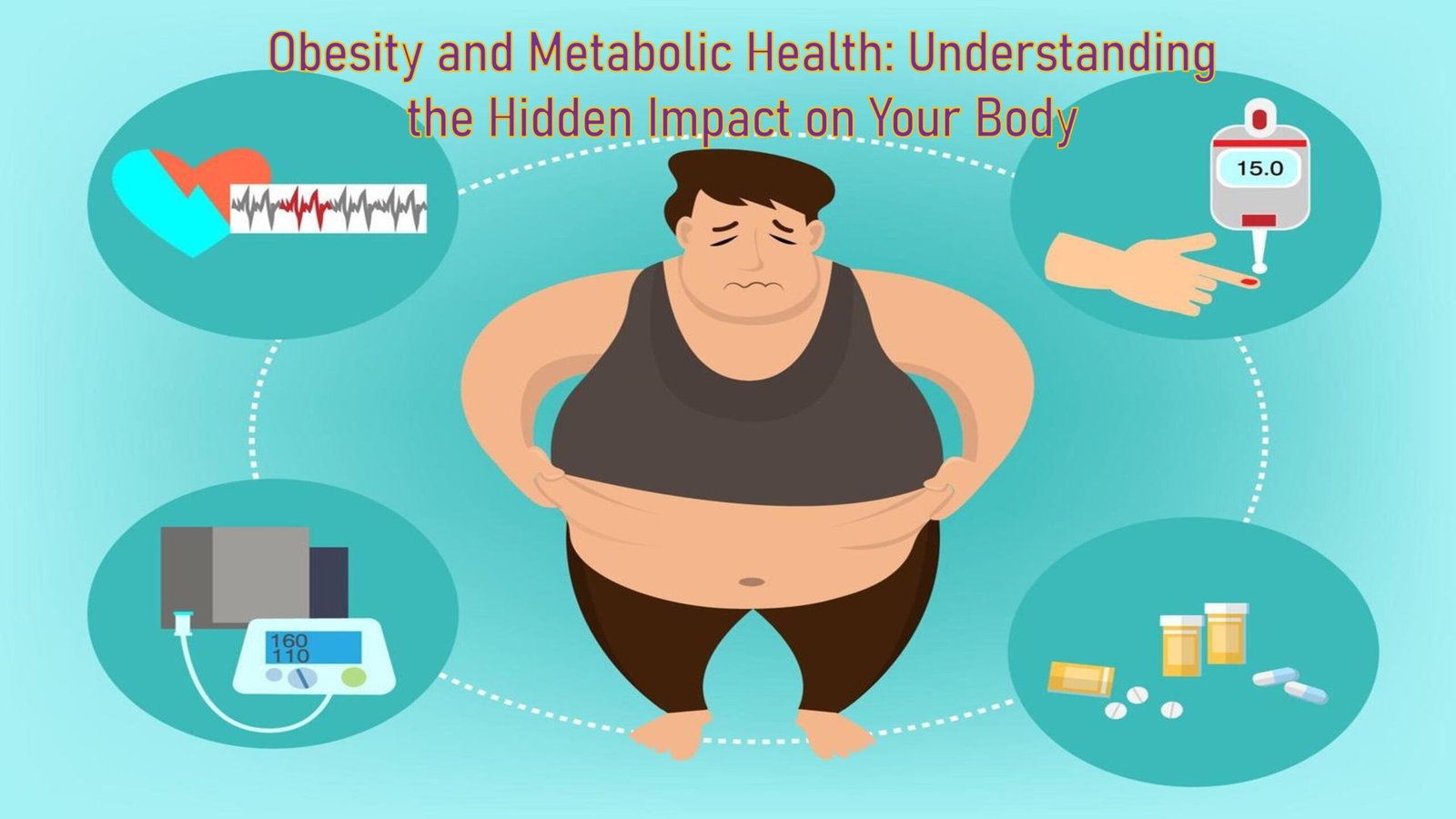
Obesity is more than just a matter of appearance—it is a complex health condition that significantly affects metabolic health and overall well-being. In recent years, rising obesity rates have become a global concern, increasing the risk of chronic diseases and reducing quality of life. Understanding how obesity impacts metabolic health can help individuals take proactive steps toward a healthier future.
What Is Obesity?
Obesity is typically defined as having an excessive amount of body fat that increases the risk of health problems. It is commonly measured using Body Mass Index (BMI), where a BMI of 30 or higher is considered obese. However, obesity is not just about weight—it involves hormonal imbalances, inflammation, and metabolic dysfunction.
Understanding Metabolic Health
Metabolic health refers to how well your body processes energy and maintains essential functions like blood sugar regulation, cholesterol balance, and blood pressure control. A person with good metabolic health has stable energy levels, normal blood sugar, healthy lipid levels, and minimal inflammation.
When obesity develops, it disrupts these processes, leading to metabolic syndrome—a cluster of conditions including high blood sugar, high blood pressure, excess abdominal fat, and abnormal cholesterol levels.
How Obesity Affects Metabolic Health
- Insulin Resistance
One of the most common effects of obesity is insulin resistance. This condition occurs when the body’s cells stop responding effectively to insulin, causing blood sugar levels to rise. Over time, this can lead to type 2 diabetes. - Chronic Inflammation
Excess fat tissue, especially around the abdomen, releases inflammatory chemicals. This low-grade, chronic inflammation contributes to heart disease, diabetes, and other metabolic disorders. - Hormonal Imbalance
Obesity disrupts hormones that regulate hunger and metabolism, such as leptin and ghrelin. This imbalance can lead to increased appetite and difficulty in losing weight. - Cardiovascular Risk
Poor metabolic health caused by obesity increases the risk of heart disease, stroke, and high blood pressure. Elevated cholesterol and triglyceride levels further worsen cardiovascular health. - Impact on Sexual Health
Metabolic issues linked to obesity can also affect sexual health, particularly in men. Conditions like erectile dysfunction (ED) are more common due to poor blood circulation and hormonal changes. In such cases, medications like Aurogra (a sildenafil-based treatment) may be prescribed to help improve blood flow and support erectile function. However, medication should complement—not replace—lifestyle changes.
Causes of Obesity
Obesity does not happen overnight. It is usually the result of multiple factors working together:
- Poor Diet: High intake of processed foods, sugar, and unhealthy fats
- Sedentary Lifestyle: Lack of physical activity
- Genetics: Family history can increase susceptibility
- Stress and Sleep Issues: Chronic stress and poor sleep disrupt metabolism
- Hormonal Disorders: Conditions like hypothyroidism
Signs of Poor Metabolic Health
Even if someone appears outwardly healthy, metabolic issues may still exist. Common warning signs include:
- Persistent fatigue
- Increased waist circumference
- High blood pressure
- Elevated blood sugar levels
- Difficulty losing weight
Recognizing these signs early can prevent more serious health complications.
Improving Metabolic Health
The good news is that metabolic health can be improved with consistent lifestyle changes. Here are some effective strategies:
- Adopt a Balanced Diet
Focus on whole foods such as fruits, vegetables, lean proteins, and healthy fats. Reduce intake of sugar, refined carbohydrates, and processed foods. - Stay Physically Active
Regular exercise, including both cardio and strength training, helps improve insulin sensitivity and promotes fat loss. - Prioritize Sleep
Aim for 7–9 hours of quality sleep each night. Poor sleep is closely linked to weight gain and metabolic dysfunction. - Manage Stress
Chronic stress leads to hormonal imbalances that contribute to weight gain. Practices like meditation, yoga, or deep breathing can help. - Stay Hydrated
Drinking enough water supports digestion, metabolism, and overall health. - Medical Support When Needed
In some cases, medical intervention may be necessary. This can include medications for diabetes, cholesterol management, or sexual health support when metabolic issues impact performance.
The Link Between Weight Loss and Metabolic Recovery
Even a small reduction in body weight—around 5–10%—can significantly improve metabolic health. Benefits include:
- Better blood sugar control
- Lower blood pressure
- Improved cholesterol levels
- Reduced inflammation
Consistency is key. Quick fixes and crash diets may provide temporary results but often worsen metabolic health in the long run.
Final Thoughts
Obesity is not just about carrying extra weight—it is a serious condition that deeply affects metabolic health and increases the risk of life-threatening diseases. The connection between obesity, metabolic dysfunction, and issues like cardiovascular disease or erectile dysfunction highlights the importance of early intervention.
While medications can help manage specific symptoms like ED, they should be part of a broader approach that includes healthy eating, regular exercise, and lifestyle improvements. Taking control of your metabolic health today can lead to a longer, healthier, and more energetic life.
By making informed choices and staying consistent, it is entirely possible to reverse many of the negative effects of obesity and restore metabolic balance.