


Cash Flow Management Solutions to Boost Profitability
Why Cash Flow Management Is Critical for Business Success
In today’s competitive and uncertain economic environment, maintaining financial stability is one of the biggest challenges for businesses. Profit alone does not guarantee sustainability. What truly determines a company’s survival is its ability to maintain consistent liquidity. Without proper planning, even profitable businesses can struggle to pay expenses, invest in growth, or handle unexpected financial disruptions.
This is where effective cash flow management becomes essential. It ensures that businesses have enough incoming cash to cover outgoing expenses while maintaining a healthy financial position. By focusing on strategic planning, forecasting, and optimization, companies can not only avoid financial stress but also unlock new opportunities for growth and profitability.
Understanding Cash Flow Management in Modern Business
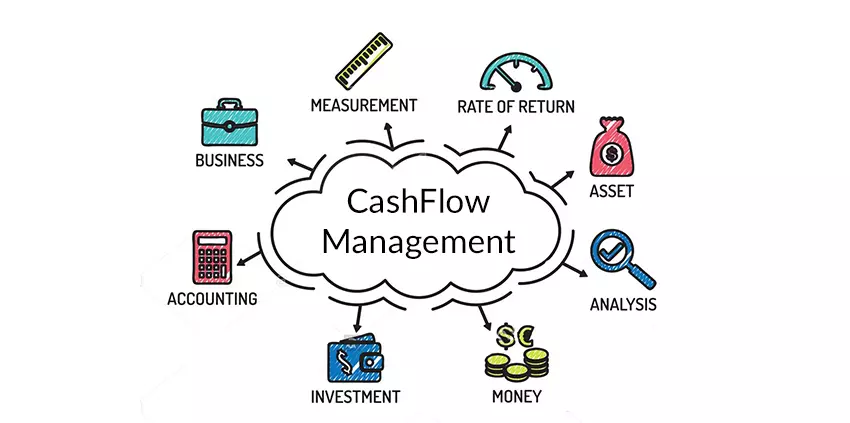
Cash flow management refers to the process of tracking, analyzing, and optimizing the movement of money in and out of a business. It involves monitoring revenue streams, controlling expenses, and ensuring that sufficient funds are available to meet operational needs. This process is fundamental to maintaining financial health and achieving long-term success.
In modern business environments, managing cash flow goes beyond basic accounting. It requires a strategic approach that incorporates forecasting, risk assessment, and financial analytics. Companies that adopt advanced techniques for managing cash flow are better equipped to handle market fluctuations and make informed decisions that drive growth.
Why Cash Flow Management Directly Impacts Profitability
Ensuring Financial Stability
A well-managed cash flow system ensures that a business can meet its financial obligations without delays. This stability builds trust with suppliers, employees, and stakeholders, creating a strong foundation for growth. Without proper planning, cash shortages can disrupt operations and damage relationships.
Supporting Business Growth
Growth opportunities often require immediate financial investment. Businesses with strong cash flow management strategies can quickly allocate resources to expand operations, launch new products, or enter new markets. This flexibility allows them to stay ahead of competitors.
Reducing Financial Risks
Effective cash flow management helps identify potential financial risks before they become critical issues. By analyzing cash flow patterns, businesses can anticipate shortages and take proactive measures to mitigate risks. This reduces uncertainty and enhances overall financial resilience.
Key Components
Cash Flow Forecasting
Forecasting is a crucial aspect of managing cash flow. It involves predicting future cash inflows and outflows based on historical data and market trends. Accurate forecasts enable businesses to plan ahead and avoid unexpected financial challenges.
Expense Control and Optimization
Controlling expenses is essential for maintaining a positive cash flow. Businesses must regularly review their spending and identify areas where costs can be reduced without compromising quality or efficiency. This approach improves profitability and ensures better resource utilization.
Revenue Management
Efficient revenue management ensures that payments are received on time and cash inflows remain consistent. Implementing clear payment terms and using automated invoicing systems can significantly improve cash flow performance.
Cash Flow Management Strategies for Business Growth
Implementing Smart Payment Policies
One of the most effective cash flow management strategies is establishing clear payment policies. Encouraging early payments, offering discounts for prompt settlements, and enforcing penalties for late payments can improve cash inflows and reduce delays.
Leveraging Technology for Financial Insights
Modern financial tools and software provide real-time insights into cfo fractional services. These tools enable businesses to track transactions, analyze trends, and make data-driven decisions that enhance efficiency and profitability.
Maintaining a Cash Reserve
Building a cash reserve is essential for handling unexpected expenses or economic downturns. A well-maintained reserve provides financial security and allows businesses to operate smoothly during challenging times.
Optimizing Inventory Management
For businesses dealing with physical products, inventory management plays a critical role in cash flow. Excess inventory ties up capital, while insufficient stock can lead to lost sales. Balancing inventory levels ensures optimal cash utilization.
The Role of Cash Flow Management Services
Many businesses, especially small and medium-sized enterprises, benefit from professional cash flow management services. These services provide expert guidance, advanced tools, and strategic insights that help businesses optimize their financial performance.
By leveraging cash flow management services, companies can gain a deeper understanding of their financial position and implement effective strategies for growth. These services often include forecasting, financial analysis, and customized solutions tailored to specific business needs.
Challenges in Managing Cash Flow
Irregular Revenue Streams
Businesses with fluctuating income often face challenges in maintaining consistent cash flow. Seasonal demand, market changes, and customer payment delays can create financial instability.
High Operational Costs
Rising operational expenses can strain cash flow, making it difficult to maintain profitability. Businesses must carefully manage costs and identify opportunities for optimization.
Inefficient Financial Processes
Manual processes and lack of automation can lead to errors and delays in financial management. Implementing efficient systems is essential for improving accuracy and speed.
Solutions for Small Business
Small businesses often face unique challenges due to limited resources and financial constraints. Effective small business cash flow management requires a combination of strategic planning and practical solutions.
One approach is to prioritize essential expenses and delay non-critical spending. Additionally, small businesses can benefit from flexible financing options and partnerships that improve cash flow stability. By adopting efficient financial practices, small businesses can overcome challenges and achieve sustainable growth.
Importance of Financial Analytics
Financial analytics plays a crucial role in modern cash flow management. By analyzing data and identifying trends, businesses can gain valuable insights into their financial performance. This information helps in making informed decisions and improving overall efficiency.
Advanced analytics tools enable businesses to track key performance indicators, monitor cash flow patterns, and identify areas for improvement. This data-driven approach ensures that financial strategies are aligned with business objectives.
Integrating Cash Flow Management with Business Strategy
It should not be treated as a standalone function; it must be integrated into the overall business strategy. This alignment ensures that financial decisions support long-term goals and contribute to sustainable growth.
By incorporating cash flow considerations into strategic planning, businesses can optimize resource allocation, improve operational efficiency, and enhance profitability. This holistic approach is essential for achieving long-term success in a competitive market.
Future Trends
The future of cash flow management is being shaped by technological advancements and changing business dynamics. Automation, artificial intelligence, and predictive analytics are transforming the way businesses manage their finances.
These innovations enable real-time monitoring, accurate forecasting, and improved decision-making. As technology continues to evolve, businesses that adopt advanced strategies will gain a significant competitive advantage.
Why Businesses Must Prioritize Cash Flow Management
Effective cash flow management is not just about maintaining liquidity it is about creating a strong financial foundation for growth and success. Businesses that prioritize cash flow are better equipped to handle challenges, seize opportunities, and achieve their goals.
By implementing strategic approaches and leveraging modern tools, companies can improve their financial performance and ensure long-term sustainability. This focus on financial health is essential for thriving in today’s competitive business environment.
Conclusion
In a world where financial stability determines business success, mastering is essential. It provides the clarity and control needed to navigate complex financial landscapes and make informed decisions.
By adopting effective cash flow management strategies, leveraging professional services, and utilizing financial analytics, businesses can optimize their operations and boost profitability. Whether you are a startup or an established enterprise, prioritizing cash flow management will empower you to achieve sustainable growth and long-term success.