

Shoe Boxes: How a $19 Billion Industry Is Shaping the Future of Packaging
The Box Under Your Bed That Changed Everything
Go under your bed. Go ahead. I will wait. You may be looking at at least one shoe box. It may hold old photos. Or receipts. It may contain the shoes you wear most often. The box you don’t notice – the $19 billion shoe box – is a part of that. And 2016 is set to transform the packaging of everything you consume.
Shoe boxes are everywhere. We produce more than 24 billion pairs of shoes a year. That makes 24 billion boxes. If you laid them all end to end, they would wrap around the globe at least 12 times. But this is what many people don’t know: shoe boxes are the canary in the coal mine for the future of all packaging. Innovations that work for sneakers typically work for computer parts, toys, clothing, and food. And the packaging technologies being developed in shoebox factories today will be in your pantry in five years.
Shoe Boxes are Special
First, they must protect. The shoe box goes from Vietnam to Ohio to Texas to your doorstep. That is thousands of miles. Trucks get hot. Planes get cold. Boxes get crushed. The shoe box must deal with all of that while keeping the shoes wrinkle-free and unscuffed.
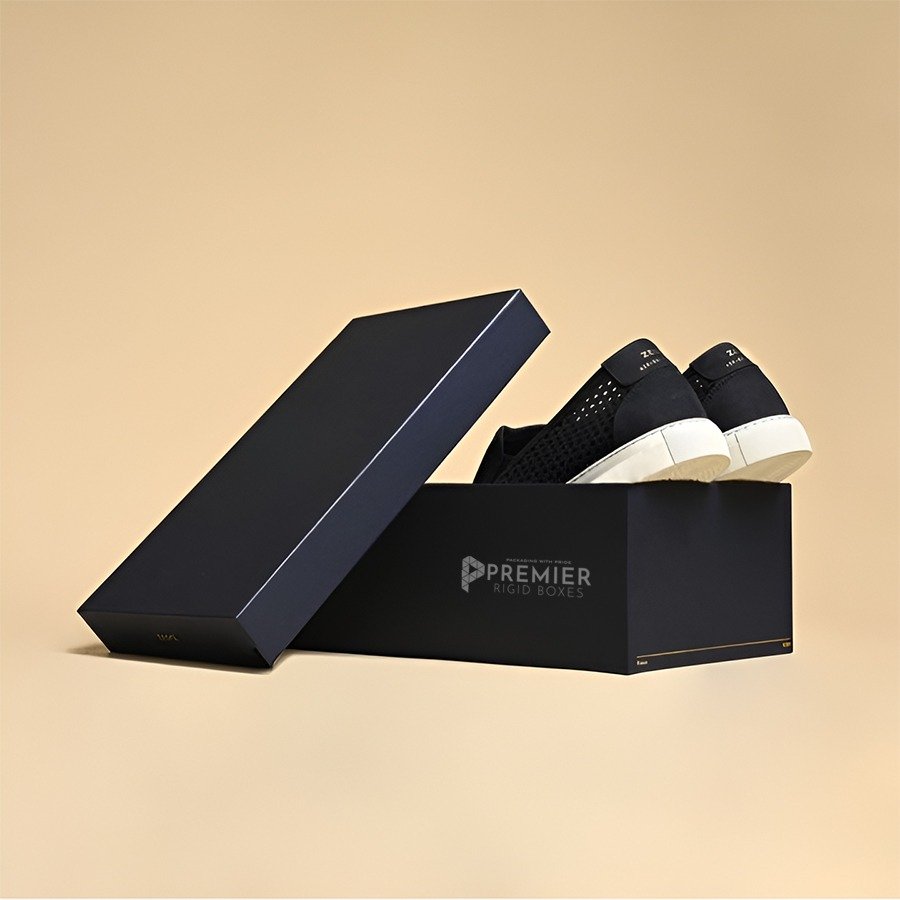
Second, they must display. People mainly buy shoes for their appearance. That’s what you see first. If it looks cheap, you think the shoes are cheap. So, shoe boxes feature high-quality cardboard, clear printing, and clever designs that showcase the shoes.
Third, they have to be cheap. Shoe production is already costly. Every 10 cents extra in the cost of the box for 24 billion boxes is $2.4 billion. So, there is a penny for pence in best shoe box design.
These three factors – protect, show it off, cost less – mean the manufacturers of shoe boxes must innovate more quickly than any other type of box. And in 2026, they are amazing.
The Numbers Behind the Box
Let me start by sharing the facts about the shoe box market in 2026. This table displays the facts that underpin the $19 billion industry.
| Category | 2026 Data |
|---|---|
| Global shoe boxes produced annually | 24.3 billion |
| Total industry value | $19.1 billion |
| Average cost per basic shoe box | $0.42 |
| Average cost per premium shoe box | $1.85 |
| Percentage made from recycled cardboard | 68% |
| Percentage with plastic-free adhesives | 43% |
| Average lifespan of a shoe box (before reuse or recycling) | 14 months |
| Most common reuse purpose | Storage (62% of households) |
These numbers tell a clear story. Most shoe boxes are still cheap and basic. Most shoe boxes are still cheap and basic. But the move to using recycled materials and glue-free boxes is rapid. And the 14-month average life is long. People keep shoe boxes. They don’t dump them out the next week. So, shoe boxes are one of the most recycled pieces of packaging in the world.
Three Big Trends Reshaping Everything
Inside the shoe box industry, three big things are afoot. Each will soon be commonplace with other packaging.
Trend one: right-sized boxes. For years, shoe manufacturers used standard-sized boxes. One box for men’s size eight. Another for size twelve. That was a lot of air in the box. Air is expensive to ship. Nowadays, computer-driven cutting machines produce custom-made boxes for each and every pair of shoes. The box fits the shoe exactly. No wasted cardboard. No squandered space in the van. Nike alone saved $180 million in shipping costs in 2015 by using the right-sized boxes.
Tend two: the box as the bag. Shoe companies are no longer using plastic bags within the box. They use a thin layer of veggie-wax in the box. You can put the box in a puddle. The shoes stay dry. The coating is now being trialed for pizza boxes and fruit and vegetable containers.
Trend three: reusable boxes. A handful of sneaker brands now offer their sneakers in durable boxes with metal corner guards and locking latches. You pay a
You get your 5 back if you return it to any shop. The box is sterilized and reused up to 50 times. Preliminary tests indicate that customers find this cool. They know they are doing something clever.
The Environmental Math
Now it gets tricky. Shoe boxes are made of paper. Paper comes from trees. Boxes made with trees seem wrong. But most shoe boxes are made with recycled cardboard. Cardboard is made from old boxes, newspapers, and office paper. Most shoe boxes don’t use new wood.
The real problem is the journey. If the shoe box is made in China, the shoes are shipped from Vietnam, the whole thing is shipped to California, and then to your front door in Florida, it’s got a big carbon footprint. The box itself is fine. The shipping is the enemy.
The Hidden Evil
Not everything is wonderful. Inexpensive shoe boxes can have glues that include formaldehyde. This is bad for your skin and your kids’ hands. Cheap shoe boxes also sometimes don’t use recycled material. The boxes are made of new cardboard from Indonesian forests. The box looks the same. The hidden cost is enormous.
Final Words
Let me step back. Your shoe box is not just a box. It is a $19 billion lab. When a shoe manufacturer experiments with a new adhesive, or a new size, or a new finish, they are conducting an experiment that will later be used in your cereal box, your candle jar, and in your online order from every store you love.
So next time you open a pair of sneakers, give them a sniff. Smell the cardboard. Feel the weight. How the lid fits. The box was designed by thousands of engineers spread across 14 time zones. It has been more places than most of us go in a year. And when you throw it in the recycling or hide it under the bed for old photos, you complete a trip from the forest, through the factory, and into your home.