
How Furniture Restoration Can Extend the Life of Your Pieces
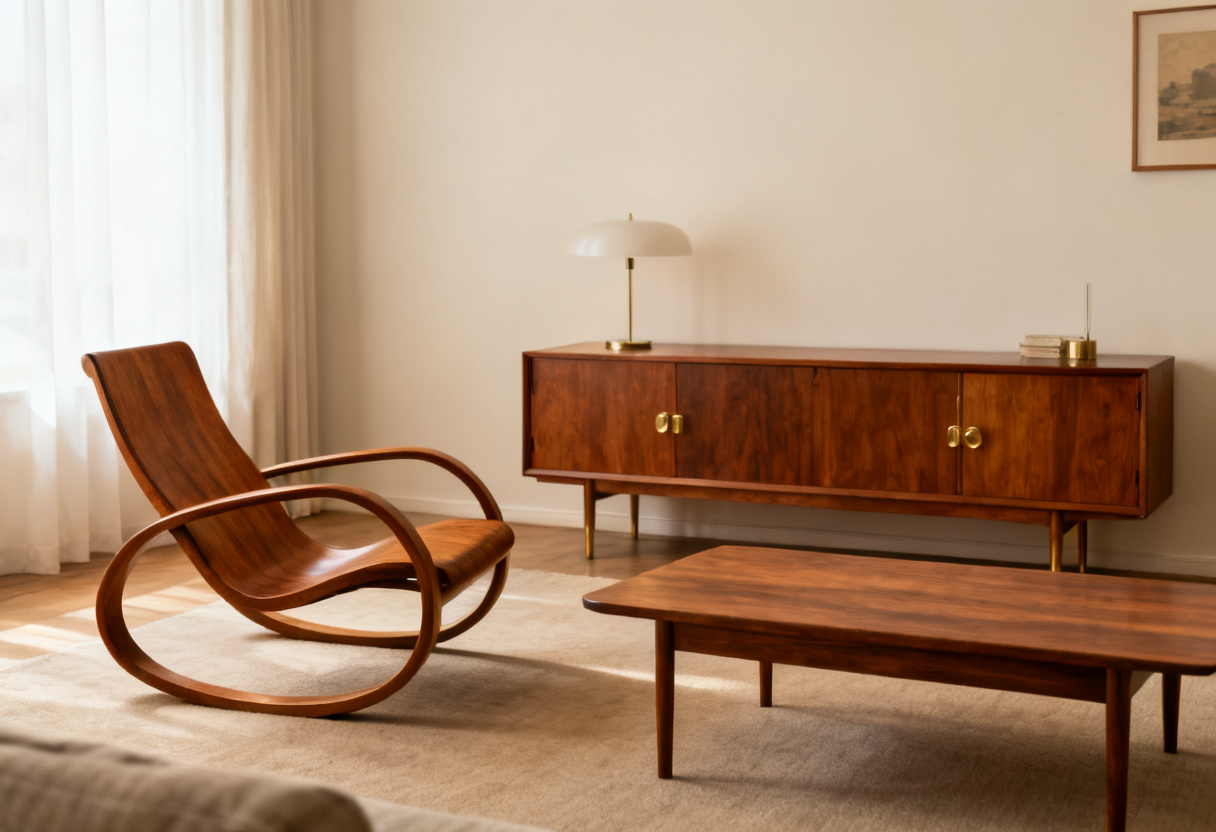
Furniture is more than just a functional part of your home—it carries stories, memories, and often significant financial value. Whether it’s a vintage heirloom or a stylish piece of midcentury modern furniture, maintaining its condition is essential. Over time, wear and tear are inevitable, but that doesn’t mean your furniture has reached the end of its life. With the right approach, furniture restoration can breathe new life into aging pieces and keep them looking beautiful for decades.
In this guide, we’ll explore how professional restoration techniques can extend the lifespan of your furniture, why it’s especially valuable for MCM furniture, and how homeowners in Melbourne can benefit from expert care.
Understanding Furniture Restoration
Furniture restoration involves repairing, refinishing, and preserving a piece while maintaining its original character and structure. Unlike simple repairs or DIY fixes, restoration is a skilled process that balances craftsmanship with respect for the original design.
Restoration can include:
- Fixing structural damage such as loose joints or broken frames
- Refinishing surfaces to remove scratches, stains, or fading
- Reupholstering worn fabric or cushioning
- Replacing missing or damaged components
For midcentury modern furniture, restoration requires particular care. These pieces often feature clean lines, natural wood finishes, and minimalist design elements that must be preserved to maintain authenticity.
Why Restoration Is Better Than Replacement
In a world driven by fast furniture and disposable trends, restoration offers a sustainable and cost-effective alternative. Instead of discarding a worn-out piece, restoring it allows you to retain its quality and character.
1. Superior Craftsmanship
Older furniture, especially MCM furniture, is often built with higher-quality materials and construction techniques than many modern mass-produced items. Solid wood frames, hand-crafted joints, and durable finishes mean these pieces are worth saving.
2. Cost Efficiency
While restoration requires an upfront investment, it is often more economical than purchasing high-quality new furniture. Restoring a well-made piece can give you decades of additional use at a fraction of replacement cost.
3. Environmental Benefits
Furniture restoration reduces waste and minimizes the demand for new resources. By extending the life of your furniture, you’re contributing to a more sustainable lifestyle.
4. Sentimental Value
Some furniture holds personal or family significance. Restoration allows you to preserve these emotional connections while improving functionality and appearance.
The Unique Value of Midcentury Modern Furniture
Midcentury modern furniture continues to be highly sought after for its timeless design and durability. Pieces from this era (roughly 1940s–1970s) are known for their simplicity, functionality, and elegant craftsmanship.
However, due to their age, many of these items require restoration to remain usable and attractive.
Common Issues with MCM Furniture
- Faded or worn wood finishes
- Loose joints due to aging adhesives
- Scratches, dents, or water damage
- Worn upholstery or foam deterioration
Professional restoration ensures these issues are addressed without compromising the original aesthetic. In fact, properly restored midcentury modern furniture can increase in value over time.
Key Restoration Techniques That Extend Furniture Life
Furniture restoration is not just about making a piece look better—it’s about strengthening it for long-term use. Here are some of the most important techniques used by professionals:
Structural Repairs
The foundation of any furniture piece is its structure. Over time, joints can loosen, wood can crack, and frames can weaken. Restoration experts reinforce joints, repair cracks, and ensure the piece is stable and durable.
Surface Refinishing
Wood surfaces often suffer from scratches, stains, and fading. Refinishing involves stripping old coatings, sanding the surface, and applying new finishes that protect and enhance the wood grain.
For midcentury modern furniture, this step is crucial because the natural wood finish is a defining feature.
Upholstery Restoration
For chairs, sofas, and other upholstered pieces, fabric and padding can deteriorate. Reupholstering replaces worn materials while maintaining the original style and proportions.
Hardware and Component Replacement
Handles, knobs, and other hardware can wear out or go missing. Restoration specialists carefully source or replicate components that match the original design.
Protective Finishing
Applying protective coatings helps guard against future damage from moisture, heat, and daily use. This ensures your furniture stays in excellent condition for years to come.
Why Professional Restoration Matters
While DIY restoration can be tempting, it often leads to unintended damage—especially with valuable or delicate pieces. Professional restoration offers several advantages:
Expertise and Precision
Restoration specialists understand different wood types, finishes, and construction methods. This knowledge allows them to use the correct techniques and materials.
Preservation of Value
Improper restoration can reduce the value of a piece, particularly for collectible MCM furniture. Professionals ensure that the original integrity and design are preserved.
Access to Specialized Tools
High-quality restoration requires tools and materials that are not typically available to the average homeowner.
Long-Term Results
Professional work is designed to last, meaning fewer repairs and better durability over time.
For those seeking furniture restoration Melbourne services, choosing experienced professionals ensures your furniture receives the care it deserves.
When Should You Restore Your Furniture?
Not every piece requires immediate restoration, but certain signs indicate it’s time to act:
- Visible structural instability (wobbling, loose joints)
- Deep scratches, stains, or discoloration
- Peeling or damaged finishes
- Uncomfortable or worn upholstery
- Signs of water or termite damage
Addressing these issues early can prevent further deterioration and reduce restoration costs.
Tips to Maintain Restored Furniture
Once your furniture has been restored, proper maintenance is essential to extend its lifespan even further.
Regular Cleaning
Dust and clean surfaces with appropriate products to prevent buildup and damage.
Avoid Direct Sunlight
Prolonged exposure to sunlight can cause fading and drying of wood and fabric.
Control Humidity
Extreme humidity changes can cause wood to expand or contract, leading to cracks.
Use Protective Pads
Place pads under heavy objects and avoid dragging items across surfaces.
Schedule Periodic Check-Ups
Occasional professional inspections can catch minor issues before they become major problems.
Investing in Longevity and Style
Furniture restoration is more than a repair process—it’s an investment in longevity, sustainability, and timeless style. Whether you own a cherished family heirloom or a classic piece of midcentury modern furniture, restoration allows you to preserve its beauty and functionality for generations.
In a city like Melbourne, where appreciation for design and craftsmanship runs deep, restoring MCM furniture is both a practical and aesthetic choice. Instead of replacing worn pieces, restoration empowers you to keep what you love while enhancing its durability and value.
Final Thoughts
Every piece of furniture has the potential for a second life. With expert restoration, even the most worn items can be transformed into stunning, functional pieces once again. From structural repairs to detailed refinishing, the process ensures your furniture not only looks great but stands the test of time.
If you’re considering furniture restoration in Melbourne, now is the perfect time to take action. By choosing restoration over replacement, you’re preserving craftsmanship, reducing waste, and maintaining the unique character of your space.
Your furniture deserves more than a short lifespan—restoration makes sure it lasts for years to come.